Beyond Imagination Beomni Robot
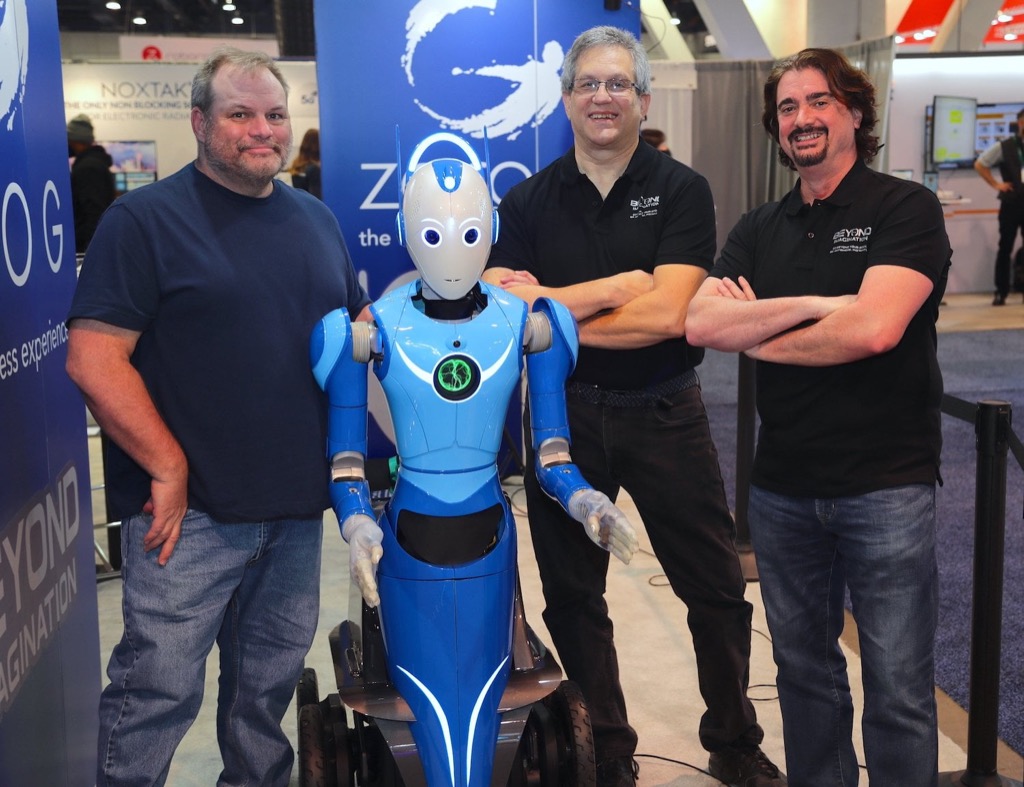
The Beyond Imagination Beomni is a wheeled humanoid robot with a dexterous upper body, initially controlled by a human operator through a VR headset and gloves rather than acting fully on its own. It's aimed at eldercare, healthcare, logistics and industry, and has run pilots in senior-care settings. Enterprise pricing has been targeted around $150,000 (with a lower ~$60k consumer figure floated as production scales), and it's offered through pilot programs, not open retail.
US buyers: unaffected by the July 2026 import restriction — Beyond Imagination is a US company.
Beomni is not covered by the foreign-produced listing. It reaches customers through pilot arrangements, particularly in care and remote-operation settings, rather than through open sale, and pricing is negotiated.
Pilots have been US-based; no EU or UK channel has been announced.
As of 2026-08-30 · medium confidence — verify before you commit funds
What is the Beyond Imagination Beomni Robot?
Beomni is the Beyond Imagination robot, and it is driven by a person in a VR rig far more than the marketing lets on.
Beomni comes with a headline-grabbing backstory: Beyond Imagination is co-founded by famed futurist Ray Kurzweil. But strip away the celebrity and you get a fairly clear-eyed product — a wheeled humanoid that a person operates remotely to do real, dexterous work.
That remote-operation part is the key to understanding it. Beomni 1.0 is initially teleoperated: an operator wears a VR headset and gloves, sees through the robot's stereo cameras, feels haptic feedback, and moves the robot's arms and hands directly. The AI is meant to learn from those demonstrations and gradually take over.
The target markets are hands-on and human: eldercare, healthcare, logistics, manufacturing, agriculture — even space, with NASA reportedly selecting it for mission testing. It's an enterprise/pilot machine today, not something shipping to homes, and it's honest about the human-in-the-loop reality.
What is the Beyond Imagination Beomni?
Beomni (the current model is Beomni 1.0) is a wheeled humanoid robot built for versatile, dexterous tasks across industries — healthcare, eldercare, manufacturing, agriculture, logistics and more. It pairs a mobile base with a human-like upper body: articulated head, shoulders, waist and arms, plus dexterous hands with opposable thumbs.
Those hands are surprisingly strong and delicate at once. Each arm can lift up to around 15.88 kg for heavier loads, yet the robot can also do fine actions like pinching salt or opening a bottle. That combination of strength and dexterity is the core selling point.
Beyond Imagination — co-founded by Ray Kurzweil — positions Beomni as an all-purpose robot, with the mobile wheeled base handling movement while the expressive, capable upper body does the actual manipulation.
How does Beomni work? The teleoperation caveat
This is the most important thing to understand, and the company is upfront about it. Beomni is initially teleoperated. A human operator wears a VR headset and gloves, views low-latency stereo vision from the robot's perspective, receives haptic feedback and 3D audio, and controls the arms and hands in real time.
So when Beomni performs a delicate task well, a skilled person is usually driving. That's genuinely useful — remote human expertise can be sent anywhere a robot is — but it's not the same as autonomy, and you should picture it that way.
The roadmap is teleop-to-autonomy: the AI "brain" learns from those human demonstrations, aiming for semi-autonomy and eventually full autonomy over time. As of 2026 that transition is a work in progress, not a finished capability, so full independent operation remains a goal rather than a guarantee.
How much does Beomni cost?
Beyond Imagination has targeted enterprise pricing around $150,000, with a lower consumer-oriented figure of roughly $60,000 floated for later, as production scales. Treat both as targets — this is an enterprise-and-pilot product, so real numbers come via deployment agreements.
At $150k the robot sits squarely in enterprise territory, comparable to other pilot-stage humanoids. The value proposition is the combination of dexterous manipulation and remote human control, which can justify the cost for organisations that need skilled hands in places that are hard to staff.
Because it's offered through pilot programs rather than open sale, expect to engage the company directly. Individuals shouldn't plan on buying one; the consumer price is aspirational and tied to future scale, not current availability.
Beomni in eldercare, industry and space
Beomni's use cases are deliberately broad, and it has actually been deployed in pilots — which matters more than a spec sheet. In eldercare facilities it completed pilot studies performing tasks like temperature checks, delivery and social interaction, using its remote operator to provide both practical help and human connection.
Beyond care, the robot is aimed at healthcare, logistics, manufacturing and agriculture — settings where dexterous manipulation plus the reach of a remote operator can fill labour gaps. The teleop model is well-suited to sending expert hands into difficult or short-staffed environments.
There's also an ambitious frontier: NASA reportedly selected Beomni for space mission testing, where teleoperation is especially valuable because you don't want fragile, expensive humans doing every risky task. It's a good showcase for the whole remote-operation concept.
Is Beomni worth it, and who is it for?
Beomni is for enterprises and institutions with real pilot needs — eldercare operators, healthcare, logistics and industrial users who want dexterous, human-guided robotic hands in places that are hard to staff. Its strengths are genuine: strong-yet-delicate manipulation, an intuitive VR control scheme, and a track record of actual pilots including space testing interest.
The honest weaknesses are the flip side. It's teleoperated, so it needs a human operator and isn't the autonomous worker some marketing imagery implies; full autonomy is a future goal. And it's an enterprise/pilot product at around $150k, not a consumer robot despite the aspirational ~$60k figure.
Worth it? If your organisation needs remote dexterous labour and can work within a pilot arrangement, Beomni is a credible, already-tested option with serious backing. If you want a fully autonomous robot or a home helper, it isn't that — at least not yet.
The Beyond Imagination Beomni on video
Hands-on reviews and teardowns, picked for what they actually show rather than how loud the thumbnail is.
CNET piloting Beomni remotely, which is the only way this machine is meant to be used
An unusually blunt trade-press take on why Beomni is not really a humanoid at all
The unedited CES livestream, latency and all, which is the honest version of a teleoperation demo
Who the Beyond Imagination Beomni is — and isn't — for
+Where it shines
- US-built, with local support and supply chain.
- Stated real-world payload (~16 kg per arm).
!Watch-outs
- Some demos rely on teleoperation, not full autonomy.
- Sold to businesses only — not to private buyers.
- Public data is thin; verify key figures before relying on them.
How the Beyond Imagination Beomni stacks up
Side by side with similar robots — the one you're reading about is highlighted.
| This robot Beyond Imagination Beyond Imagination Beomni | 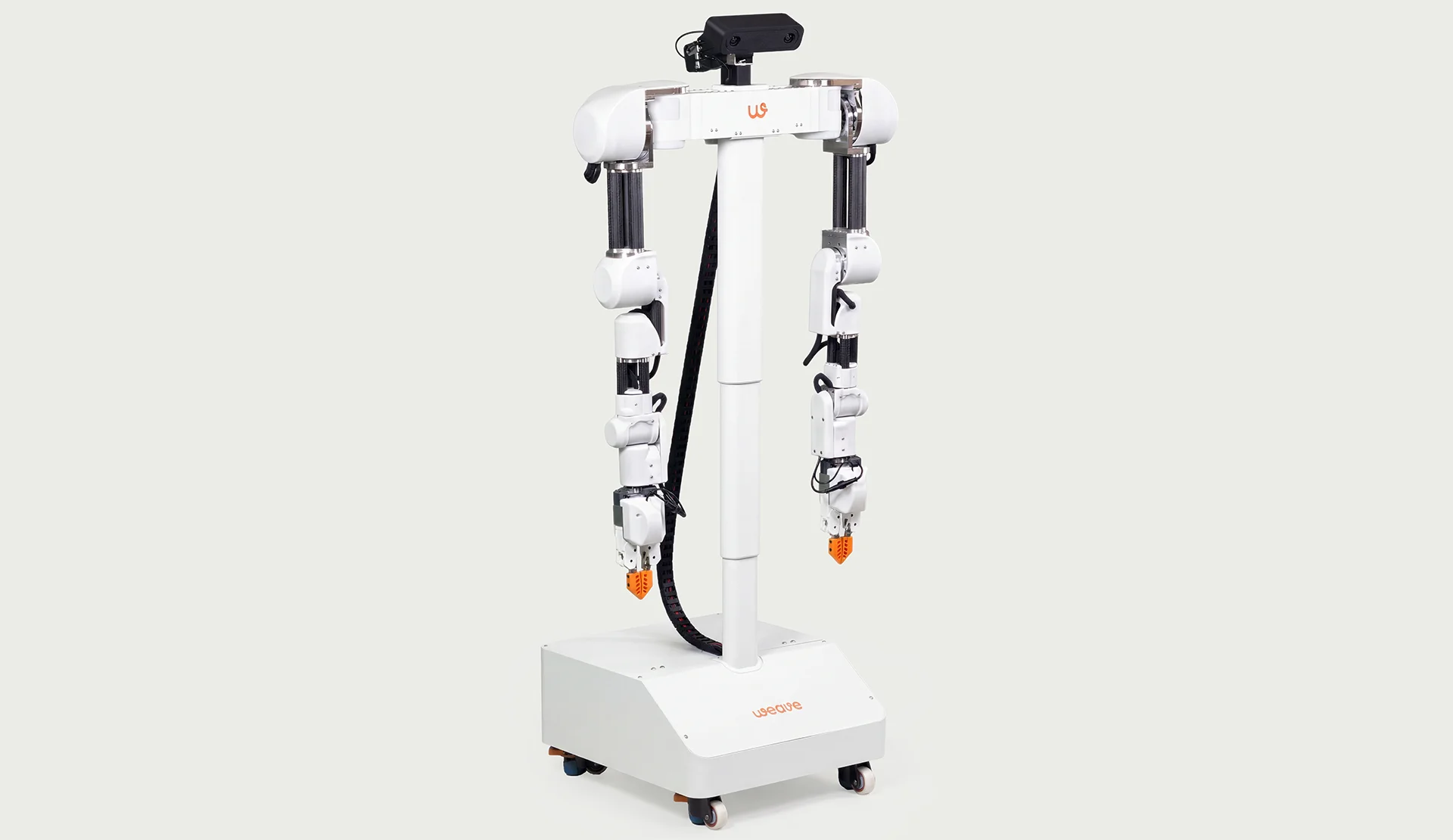 Weave Robotics Weave Isaac | 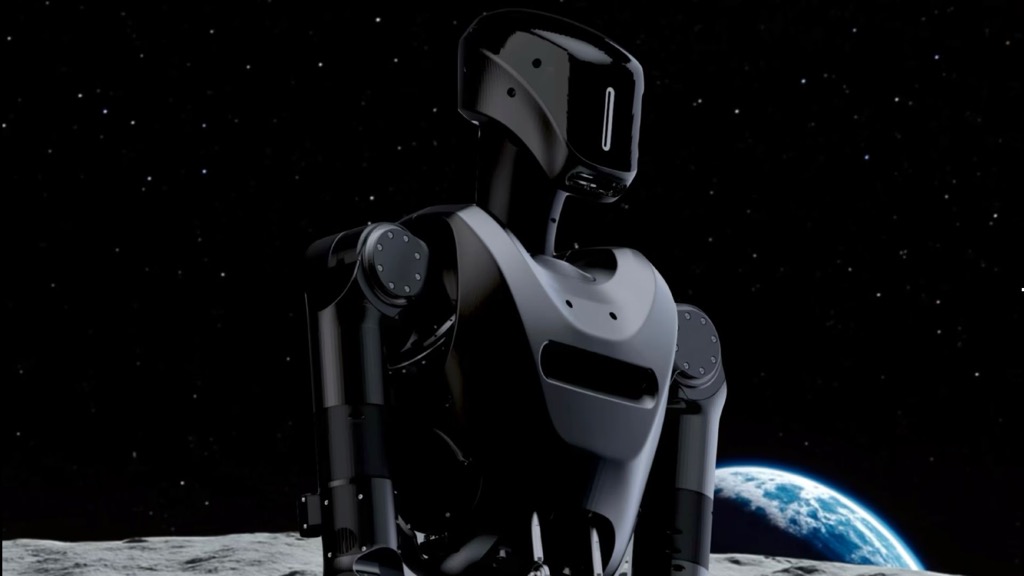 Foundation (Foundation Robotics) Foundation Phantom | 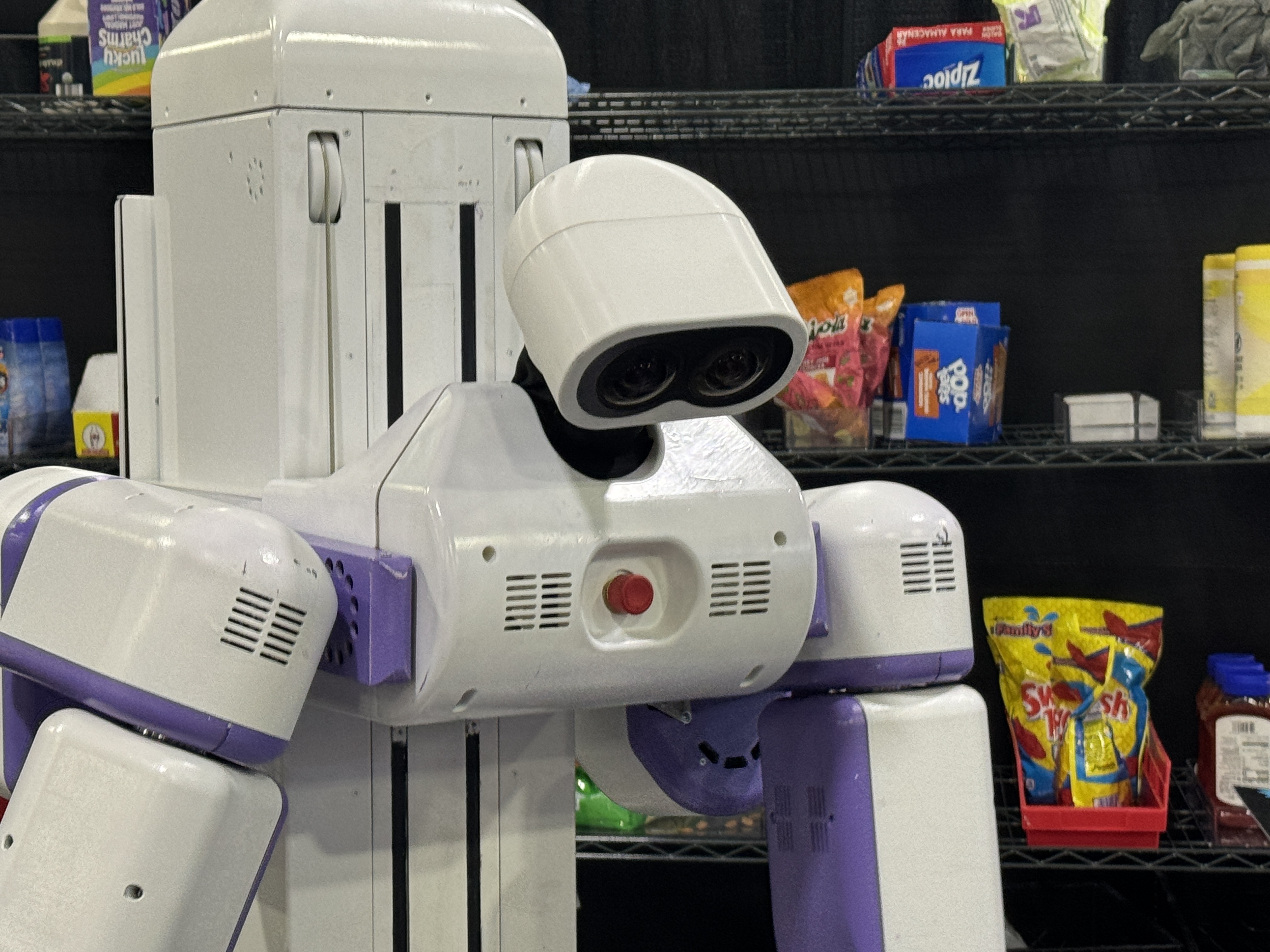 Reflex Robotics Reflex Robot | |
|---|---|---|---|---|
| Price (US) | ~$150,000 | $7,999 – $9,999 | $100,000 – $150,000 | ~$10,000 |
| Availability | Pilot programs | On the market | Lease / RaaS | Pilot programs |
| Height | up to 1.8 m | Unknown | 1.75 m | Adjustable via spine |
| Payload | ~16 kg per arm | Unknown | 40 kg dual-arm | 25+ lb/arm |
| DoF | 12 | Isaac | 29 | Unknown |
| Buyer | Enterprise | Individuals | Enterprise | Enterprise |
| Made in | US | US | US | US |
What the Beyond Imagination Beomni costs — and how to get one
Beomni ~$150k enterprise; teleop-to-autonomy wheeled humanoid.
Unknown
Leasing / RaaS: unknown
Every spec, grouped & sourced
Tap a group to expand. Values are labelled official vs third-party; unknowns are omitted, not guessed.
Body & movement▾
Power & endurance▾
Hands & senses▾
Brains & control▾
Claims vs evidence
Teleop to autonomy
Where it's working
No verified large-scale deployment
Intended use cases: Eldercare and industrial via teleoperated dexterous mobile humanoid
Should you consider the Beyond Imagination Beomni?
Beomni is a credible, already-piloted humanoid whose real trick is remote human dexterity — VR-driven hands you can send into eldercare, industry or even space, backed by Ray Kurzweil's startup. Just go in clear-eyed: it's teleoperated today with autonomy still a goal, and it's a ~$150k enterprise/pilot product, not a consumer robot.
Score reflects stated criteria (availability, data confidence, US relevance) — not hands-on testing or user ratings. We're an independent review & comparison site; we don't sell robots. *Financing figure is illustrative.
How we know this
Data confidence 38/100 · last verified 2026-06-30. Specs are labelled official vs third-party and dated; unknowns are omitted, not guessed.
Beyond Imagination Beomni — your questions, answered in full
Is the Beomni robot autonomous or teleoperated?+
It's initially teleoperated. A human operator uses a VR headset and gloves, with stereo vision and haptic feedback, to control the robot in real time. The AI is meant to learn from those demonstrations toward semi- and eventually full autonomy, but that transition isn't complete.
How much does the Beomni cost?+
Beyond Imagination has targeted around $150,000 for enterprise units, with a lower ~$60,000 consumer figure floated for later as production scales. Both are targets; it's sold through pilot programs, not open retail.
Can I buy a Beomni robot?+
Not as a regular consumer purchase. It's available through pilot programs and enterprise engagements. Individuals shouldn't expect to order one, and the consumer price is aspirational and tied to future scale.
What can Beomni lift and do?+
Each arm can lift up to about 15.88 kg, and its dexterous hands with opposable thumbs can also handle delicate actions like pinching salt or opening a bottle. It's built for both strength and fine manipulation.
Who founded Beyond Imagination?+
The company was co-founded by futurist Ray Kurzweil. It builds the Beomni humanoid and has pursued funding rounds, including a Series B raise reported in 2025.
Has Beomni been used in eldercare?+
Yes. It completed pilot studies in eldercare facilities performing temperature checks, deliveries and social interaction, with a remote operator handling tasks and human connection.
Is Beomni used in space?+
NASA reportedly selected Beomni for space mission testing. Teleoperation is well-suited to space, where sending a remote-controlled robot into risky tasks is safer than sending people.
Does Beomni walk?+
No, it uses a wheeled mobile base rather than legs, with a human-like upper body — articulated head, shoulders, waist, arms and dexterous hands — doing the manipulation.