Clone Robotics Alpha (Protoclone)

Clone Alpha is an announced product rather than a delivered one. Clone Robotics has been taking reservations for a 279-unit first run since December 2024, has never published an orderable price, and there is no public evidence that a single Alpha has shipped. The hardware that exists in public is Protoclone, a water-muscle torso that has not been shown standing or walking. Clone's own March 2026 roadmap puts a walking demonstration in 2027 and a first commercial android in 2028.
US buyers: Clone Alpha is Polish-built and unshipped, so the July 2026 rule is a live question for any US deliveries.
Clone takes reservations rather than orders, and nothing has been delivered at volume. When it does ship, a Poland-built humanoid is foreign-produced under the FCC test, and it would need an authorization granted before 28 July 2026 — which a not-yet-shipping product will not have — or a Department of War conditional approval. Clone has not addressed this publicly. A US reservation today is a bet on that being resolved.
EU and UK reservations are unaffected; Clone is based in Poland and sells into Europe without this hurdle.
As of 2026-08-30 · medium confidence — verify before you commit funds
What is the Clone Robotics Alpha (Protoclone)?
Clone Robotics takes a different route from every other maker here: Alpha and the Protoclone torso move on water-driven artificial muscles, not electric motors.
Most humanoid robots you'll read about are fast, precise machines wrapped in a friendly shell — gearboxes, servo motors, that quiet whir. Clone Robotics took a stranger road. Its designs run on water-driven artificial muscles pulling on a synthetic skeleton, aiming for something that moves the way a body does rather than the way a machine does.
That is the appeal, and it is genuine. What matters for anyone thinking about money is the gap between the two names. Protoclone is the hardware that exists: a musculoskeletal torso, filmed hanging from a frame, which went viral in 2025 for looking unsettlingly alive. Alpha is the product — a 279-unit limited run with reservations open and, as of 31 August 2026, no published price and no shipped unit.
This page separates those two things, walks through what the muscle approach actually buys you, traces the $20,000 number everyone repeats back to where it came from, and lays out Clone's own stated roadmap — which now ends in 2028, not this year.
What is Clone Alpha, and what actually exists today?
Clone Robotics — Polish in origin, with a second office in Mountain View, California — builds androids around Myofiber, water-powered artificial muscles that contract when hydraulic pressure is pushed through them. The company says a compact 500-watt pump drives the system and that the fibres contract in under 50 milliseconds. The published design figures are a 206-bone synthetic skeleton and 164 degrees of freedom in the upper body, including 26 per hand-wrist-elbow assembly.
Those are design figures for Alpha, not measurements from a working android. What the public has actually seen is Protoclone: real hardware, filmed suspended from a frame, twitching and flexing in a way that made a lot of people deeply uncomfortable. No public footage shows it standing unaided or walking.
Clone's marketing describes an android that maps your home, makes simple food, pours drinks, does laundry and holds a conversation. Read that as the destination. The demonstrations to date are about actuation and lifelike motion, not about a robot running a household — and Alpha itself has been shown only as a brief teaser.
How much does Clone Alpha cost?
There is no orderable price, and there never has been. Clone opened reservations for the first 279 units without publishing a retail figure, which is unusual enough to flag on its own.
Two numbers circulate and neither is a sticker. A co-founder has compared owning one to buying a limited-edition supercar, which implies a large figure and nothing more precise. Separately, $20,000 is Clone's own long-running target — it appears in a 2023 pitch about eventually selling mass-market Clones at an affordable $20,000, and again in March 2026 when the founder said one could now be manufactured for under that. Manufacturing cost and consumer price are not the same thing, and a target is not a quote.
So treat any specific dollar amount attached to Alpha as unconfirmed. Catalogue sites that print one are repeating Clone's aspiration back at you as though it were a checkout total.
Can you buy one? The 279 reservations and the real roadmap
Clone is taking reservations for an "Alpha Edition" capped at 279 units — the first 279 Clones ever made. The oddly specific number has fans reading a Westworld reference into it; practically it signals a tiny first batch rather than production.
The timeline has slipped, and quietly. Clone's reservation page has said pre-orders would be available in 2025 since December 2024, and that line has not moved. Meanwhile the roadmap the company laid out in March 2026 runs: a "surgically accurate" torso platform in late 2026, a natural walking demonstration in 2027, and a first commercial android — a "Robo Butler" aimed at hotels — in 2028. Read those dates against the reservation page and the picture is clear enough: the enterprise product is the near-term goal, and the home android is further out than the reservation implies.
If you put money down, do it understanding you are funding a research programme with an unusually good camera department. That's exciting if you want to be near the frontier, and frustrating if you expected an appliance on a date.
How the water-powered muscles actually work
The core idea is biomimicry. Instead of rotating joints with motors, Clone uses Myofiber "muscles" that shorten under fluid pressure and pull on a synthetic skeleton the way tendons pull on bone. Clone claims each roughly three-gram fibre can generate up to about a kilogram of force, and that the fibres contract faster than human muscle.
The upside is compliance. Muscle-driven systems are naturally springy and smooth, which is genuinely hard to fake with rigid gearboxes, and the Protoclone footage shows exactly that organic quality.
The trade-offs are just as real. Fluidic systems bring pumps, pressure and the possibility of leaks; long-term durability, energy efficiency and reliability at scale are unproven for muscle-based humanoids because nobody has run one at scale. The engineering is genuinely novel, which is both why it's interesting and why the schedule keeps moving.
Clone Alpha vs Tesla Optimus and other humanoids
Against Optimus, Figure or a Unitree unit, Clone is deliberately the odd one out. Those competitors use electric actuators, have shown warehouse and factory task demos, and in Unitree's case sell hardware with a published price and a delivery date. The underlying technology is comparatively understood and, more to the point, manufacturable today.
Clone's bet is that muscle-and-skeleton biomimicry eventually produces more human, more dexterous machines — especially in a home, around people, where compliance matters more than repeatability.
On maturity though the electric-actuator crowd is plainly ahead. If you want a humanoid that demonstrably does useful work now, Alpha is not it and won't be this year. If you're drawn to a fundamentally different vision of what an android can be, it is one of the most interesting projects going.
Is Clone Alpha worth reserving, and who is it for?
Alpha suits a specific person: an enthusiast, collector, researcher or developer who wants to back a radical approach early and can accept that specs, price and dates will all move. The novelty factor is off the charts and the engineering is real.
It is a poor fit if you need a dependable home helper on a schedule, or if an unpublished price is a dealbreaker. With no retail figure, no shipped unit and a company roadmap that puts the first commercial android in 2028, a reservation is a bet on the company rather than a purchase of a product.
Our honest take: watch it closely, and only put money in if you're comfortable funding the frontier and waiting years. The technology is among the most original in the field; productisation is the part still entirely unproven.
The Clone Alpha on video
Hands-on reviews and teardowns, picked for what they actually show rather than how loud the thumbnail is.
The Alpha reveal clip itself — brief, but it is the only footage of the announced product
An engineer visits Clone and inspects Protoclone, the musculoskeletal prototype Alpha is built from
Half an hour on why Clone uses hydraulic artificial muscles instead of electric actuators
The full-body Protoclone suspended and moving — unsettling, but the clearest view of the muscle architecture
Who the Clone Alpha is — and isn't — for
+Where it shines
!Watch-outs
- No public list price — you'll need a quote.
- Sold to businesses only — not to private buyers.
- Public data is thin; verify key figures before relying on them.
How the Clone Alpha stacks up
Side by side with similar robots — the one you're reading about is highlighted.
| This robot Clone Robotics Clone Alpha | PNDbotics PNDbotics Adam | 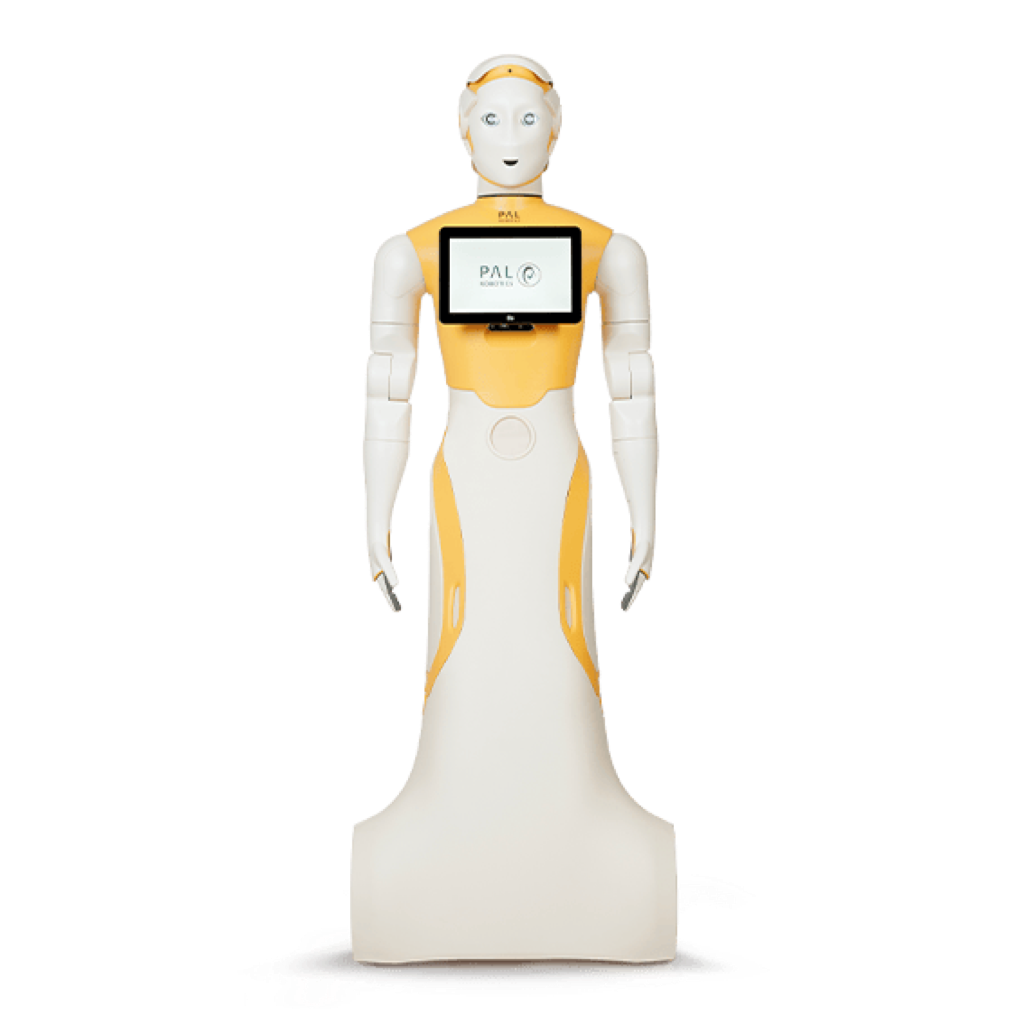 PAL Robotics PAL Robotics ARI | 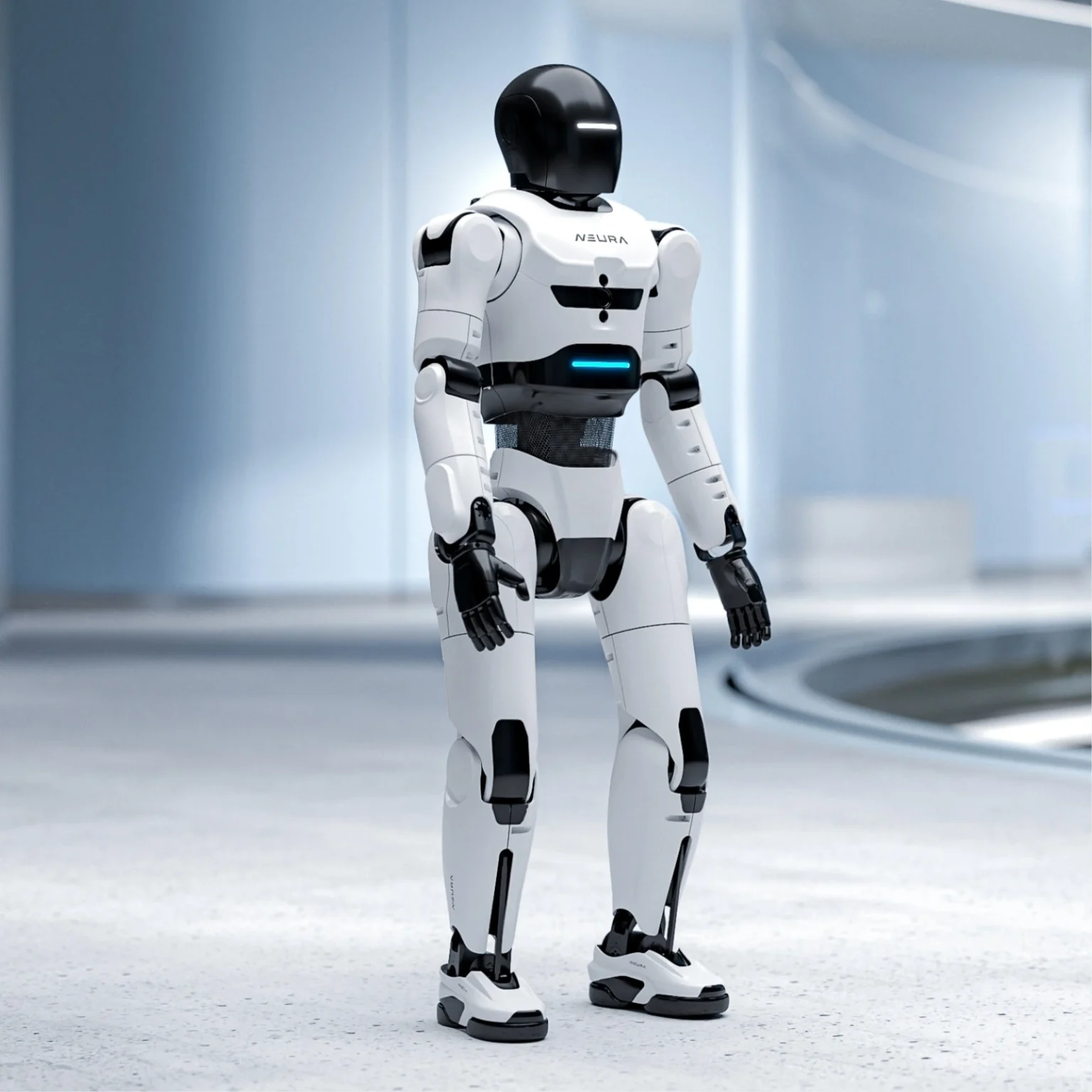 NEURA Robotics NEURA Robotics 4NE-1 | |
|---|---|---|---|---|
| Price (US) | Price on inquiry | $99,999 – $145,000 | $35,000 – $90,000 | $65,000 – $105,000 |
| Availability | Reservations open | On the market | On the market | Reservations open |
| Height | 1.70 m | 1.67 m | 1.65 m | 180 cm |
| Payload | Unknown | ~5 kg | ~0.5 kg per arm | Arms rated ~20 kg; up to 100 kg lifting in leg-supported/full-body configurations |
| DoF | 164 | Lite | ~12 | Hands |
| Buyer | Enterprise | Enterprise | Individuals | Enterprise |
| Made in | Other | Other | Other | Other |
What the Clone Alpha costs — and how to get one
No official price; limited 279-unit Alpha pre-orders open; third-party estimates unverified.
Reservation/pre-order live for first 279 units
Leasing / RaaS: unknown
Every spec, grouped & sourced
Tap a group to expand. Values are labelled official vs third-party; unknowns are omitted, not guessed.
Body & movement▾
Power & endurance▾
Hands & senses▾
Brains & control▾
Claims vs evidence
'Cybernet' visuomotor AI on NVIDIA Jetson Thor; NL interaction claimed; autonomy unproven/demo-stage
Where it's working
None verified (ProtoClone shown in demos only)
Intended use cases: Home android: claimed learn home layout, make sandwiches, pour drinks, laundry, vacuum, converse; currently research-stage
What owners, reviewers and the press say about the Clone Alpha
Ratings and reception gathered from where this machine is actually sold and discussed. We summarise the signal — we don't republish anyone's reviews.
Clone has not shipped units to customers, so no rating platform carries the robot. Its only quantified public reception is a product-launch community listing where it drew about 190 upvotes.
+Reviewers consistently praise
- genuinely novel actuation approach rather than another servo humanoid
- anatomical fidelity is unmatched
!And consistently criticise
- movement reads as clumsy and unstable in released footage
- no demonstrated useful task
- presentation invites revulsion more than interest
What owners and developers actually say
Clone's musculoskeletal androids provoke a reaction unlike anything else in this catalog: the dominant response across robotics and general-interest communities is visceral discomfort, not technical assessment. Threads fill with people saying the form factor is the creepiest they have seen, and the engineering discussion that does happen focuses on whether water-driven artificial muscle can ever be practical. Coverage has skewed tabloid, which reinforces the spectacle framing.
r/robotics, r/singularity, r/Damnthatsinteresting · as of 2026-08-30
Consensus drawn from reaction threads across several communities and popular-press coverage; no hands-on review by anyone independent exists.
Should you consider the Clone Alpha?
Clone is one of the most original ideas in humanoid robotics — a muscle-and-skeleton android instead of a motor-driven machine — and the Protoclone footage is genuinely striking. But Alpha has no published price, no delivered unit, and a company roadmap that now puts a walking demonstration in 2027 and a first commercial android in 2028. Fascinating to follow. A reservation is a donation to the frontier, not a purchase.
Score reflects stated criteria (availability, data confidence, US relevance) — not hands-on testing or user ratings. We're an independent review & comparison site; we don't sell robots. *Financing figure is illustrative.
How we know this
Data confidence 40/100 · last verified 2026-06-23. Specs are labelled official vs third-party and dated; unknowns are omitted, not guessed.
Clone Alpha — your questions, answered in full
Can you buy a Clone Alpha right now?+
No. Clone Robotics takes reservations for a limited batch of 279 Alpha units, but there is no published price, no confirmed ship date, and no public evidence that any unit has been delivered.
How much does the Clone Alpha cost?+
Clone has never published an orderable price. The $20,000 figure that circulates is Clone's own target — a 2023 pitch about eventually selling at that level, and a March 2026 claim that one can be manufactured for under it. Neither is a retail price.
Has the Protoclone ever walked?+
Not in public. Protoclone is real hardware and has been filmed moving while suspended from a frame, but no public footage shows it standing unaided or walking. Clone's own roadmap places a natural walking demonstration in 2027.
When will Clone Robotics ship a product?+
By Clone's March 2026 roadmap: a "surgically accurate" torso platform in late 2026, a walking demonstration in 2027, and a first commercial android — a hotel-focused "Robo Butler" — in 2028. The reservation page has said "pre-orders available in 2025" since December 2024.
What makes Clone different from other humanoid robots?+
Water-powered Myofiber artificial muscles pulling on a 206-bone synthetic skeleton, instead of the electric motors nearly every rival uses. The design figures include 164 degrees of freedom in the upper body, 26 per hand-wrist-elbow assembly.
What is the 279 number about?+
279 is the cap on the first "Alpha Edition" run being reserved. Fans read it as a Westworld reference; practically it signals a very small first batch rather than production volume.
Can Clone Alpha really do laundry and make sandwiches?+
Those are stated goals, not demonstrated capabilities. Public demonstrations cover actuation and lifelike motion. No footage shows an autonomous household task being completed.
Who makes Clone Alpha?+
Clone Robotics, a company with Polish roots and a second office in Mountain View, California. It is best known for the viral Protoclone musculoskeletal torso.