Weave Robotics Isaac
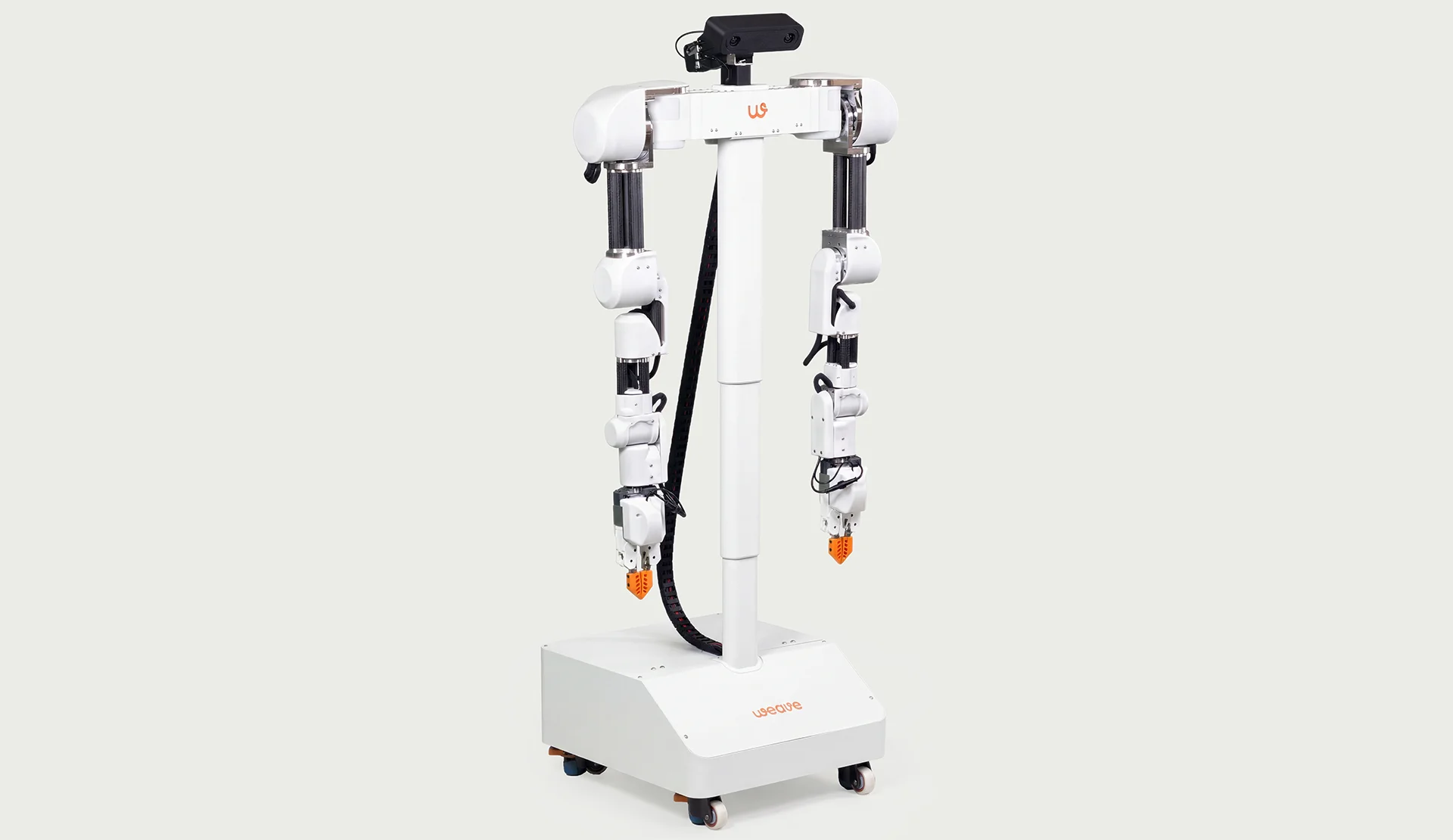
The current Weave robot is the Isaac 1, announced 2 July 2026: a wheeled home robot that folds laundry, clears clutter and makes beds. It costs $7,999 up front or $449 a month, on a $250 refundable deposit, and Weave says deliveries begin in the autumn of 2026, starting in California. It is not fully autonomous — remote Weave operators still take over the parts it can't manage. The stationary Isaac 0, which shipped from February 2026, is the previous generation, not the one you'd order today.
US buyers: unaffected by the July 2026 import restriction — Isaac is a US-built home humanoid.
Weave Robotics builds Isaac in San Francisco, so the foreign-produced listing does not apply. It is one of the few humanoids a private US buyer can actually order, though the company has been rolling out to Bay Area households first rather than shipping nationwide. Expect a waitlist rather than a shopping cart.
No European or other international availability has been announced.
As of 2026-08-30 · medium confidence — verify before you commit funds
What is the Weave Robotics Isaac?
Isaac is the Weave Robotics home robot — a laundry-folding machine with a human quietly on the other end of a good deal of the work.
Home robots that do actual chores have been "two years away" for about two decades. Weave Robotics is trying to break that pattern by shipping something narrow but real, and it has now done it twice: Isaac 0, a stationary folder that arrived in February 2026, and Isaac 1, announced on 2 July 2026, which gets up off the table and moves around the room.
Isaac 1 costs $7,999 up front or $449 per month, held with a $250 refundable deposit. Weave has said deliveries start in the autumn of 2026 and begin in California — the same cautious, one-state rollout Isaac 0 got. Physically it is a motorised base with a telescoping body that sits at roughly 0.9 m when tucked away and rises to about 1.75 m (5 ft 9 in) when there is work to do, plus two arms in soft fabric-covered shells.
The detail that shapes everything is honesty about autonomy. Isaac is not fully autonomous, it leans on human teleoperators standing by to handle what it can't do alone. That's a defensible design choice — arguably the only one that ships — but it has real cost and privacy implications you want to understand before putting money down.
What is the Weave Isaac 1, and what happened to Isaac 0?
Isaac 0 was the first product: a stationary, two-armed torso that sat beside a table and folded a pile of clean laundry. It launched in February 2026 at $9,999, later $7,999, and Weave has shipped it to homes and businesses across California since then. It didn't move, it didn't roam, and it was never meant to.
Isaac 1, announced 2 July 2026, is the mobile version. It rides a motorised base and its body telescopes — roughly 0.9 m folded down and out of the way, about 1.75 m (5 ft 9 in) at working height. Two arms, soft fabric-covered shells, and grippers rather than fingered hands. Weave describes it folding clothes like its predecessor, and additionally clearing clutter, straightening cushions and making a bed on demand.
So the shape of the product changed in five months, from an appliance you set on a table to a machine that crosses the room. What did not change is the business model: a fixed price or a subscription, a small geography, and remote humans in the loop.
Weave Isaac price: how much does it cost?
Isaac 1 is $7,999 up front or $449 per month on subscription, reserved with a $250 refundable deposit. Isaac 0 sat at the same $7,999 after an initial $9,999.
Which way round makes sense depends on how long you keep it. At $449 a month you pass the $7,999 mark in about eighteen months, so anyone planning to keep the thing leans toward buying. The subscription is really there to lower the entry barrier and keep you covered while the software keeps changing under you — and it is changing, weekly.
Either way it's a premium price for household tidying, and part of what you're buying is the teleoperation service behind it, not only the hardware standing in your hallway.
Availability: can you actually get one in 2026?
Weave says Isaac 1 orders begin shipping in the autumn of 2026, starting in California. Isaac 0 followed the same pattern from February 2026 and stayed inside the state.
A single-state rollout is normal for this category and it isn't only about logistics: teleoperation needs operators in a workable time zone and support staff who can reach a broken robot. Keeping the fleet small and close is how you keep the promise.
The practical read for 2026, then: if you are outside California you are joining a list, not taking delivery. Expansion depends on how the first wave behaves.
What Isaac actually does — and what it doesn't
The core job is laundry. It sorts and folds most everyday clothes, groups socks, turns inside-out garments the right way round. Weave quotes an average load somewhere between 30 and 90 minutes depending on the mix, and how much human help it needed.
Isaac 1 adds room work: clearing clutter, straightening cushions, making a bed. That is a meaningfully larger job than folding, and it is also the part with the least independent evidence behind it so far — the demonstrations are Weave's own.
On limits, Isaac 0 did not fold large blankets or bed sheets. Weave has not published a clear statement either way for Isaac 1, so treat big flat items as unproven rather than solved. It also needs a clear working area and a stable internet connection; without the connection the teleoperators can't reach it, and the robot is only as good as its own autonomy that day.
Autonomy, teleoperation and the privacy question
This is the part to really understand. Isaac runs a blend of on-board autonomy and remote human teleoperation. It handles what it can alone, and when it hits something it can't, a Weave specialist takes over for a few seconds. Weave is refreshingly upfront about this instead of pretending the machine is self-driving.
The upshot is that Isaac can do nearly all of a laundry pile from day one, which a purely autonomous robot at this price could not honestly promise. The humans in the loop are what makes the first week good rather than frustrating.
But teleoperation means that, at times, a person can see through a camera inside your home, and it means the robot needs the internet to be at its best. Weave's answer is a physical control that disables the cameras, which is the right kind of answer — a switch, not a policy page. If in-home cameras with occasional remote human access still bothers you, that is a legitimate reason to pass. It's a fair trade for many buyers; not for all of them.
Isaac vs other home robots
Against the home-humanoid crowd, Weave's approach stands out for shipping something narrow instead of promising a general android. Most rivals are still demo-stage; Isaac is in actual homes, even if only in one state. The explicit bet is that a purpose-built machine reaches the home before a general-purpose one does, and at $7,999 it undercuts the general-purpose contenders by a wide margin.
Compared with a robot vacuum this is simply a different category — folding is far harder than sweeping, and the price says so. The closest real comparisons are other teleop-assisted home robots, and the long graveyard of laundry-folding concepts that never left the lab.
The honest comparison is that Isaac wins on existing and doing a real chore, while depending on human operators to get there. Fully autonomous home folding at this quality isn't on the market from anyone yet.
Is the Weave Isaac worth it, and who is it for?
Isaac is for a Californian early adopter who genuinely hates household tidying, has the budget, and is comfortable with in-home cameras and remote human assistance. For that person it is one of very few home robots doing a real chore today.
If you're outside the state, on a tight budget, or uneasy about the teleoperation side, it is easy to wait. The price is steep for a machine with a short task list, and the reliance on operators is a reminder of how early all of this still is.
Still, credit where it's due. Weave shipped, then shipped again five months later with a mobile version, and was honest about the humans behind the curtain both times. In a category littered with vapourware that counts for something — just go in clear-eyed.
The Weave Isaac on video
Hands-on reviews and teardowns, picked for what they actually show rather than how loud the thumbnail is.
The July 2026 Isaac 1 launch — current hardware, current price, straight from Weave
The first-generation announcement, worth watching to see how fast the design moved in five months
Eleven minutes going through what Isaac 1 does autonomously versus what a remote operator handles
Who the Weave Isaac is — and isn't — for
+Where it shines
- You can actually buy or reserve it as an individual, at a consumer price.
- Among the most affordable humanoids on the market right now.
- US-built, with local support and supply chain.
!Watch-outs
- Some demos rely on teleoperation, not full autonomy.
- Public data is thin; verify key figures before relying on them.
How the Weave Isaac stacks up
Side by side with similar robots — the one you're reading about is highlighted.
| This robot Weave Robotics Weave Isaac | 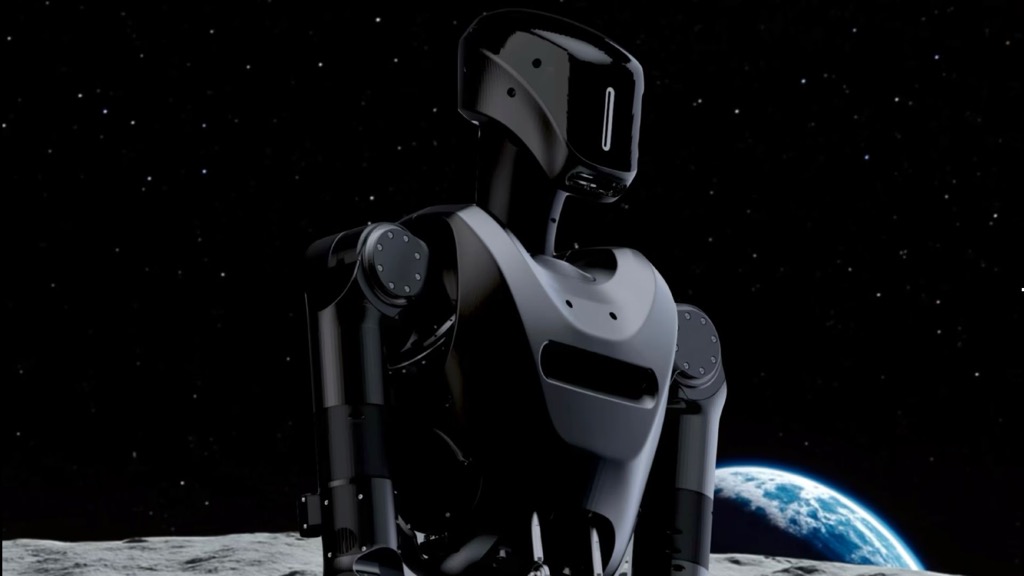 Foundation (Foundation Robotics) Foundation Phantom | 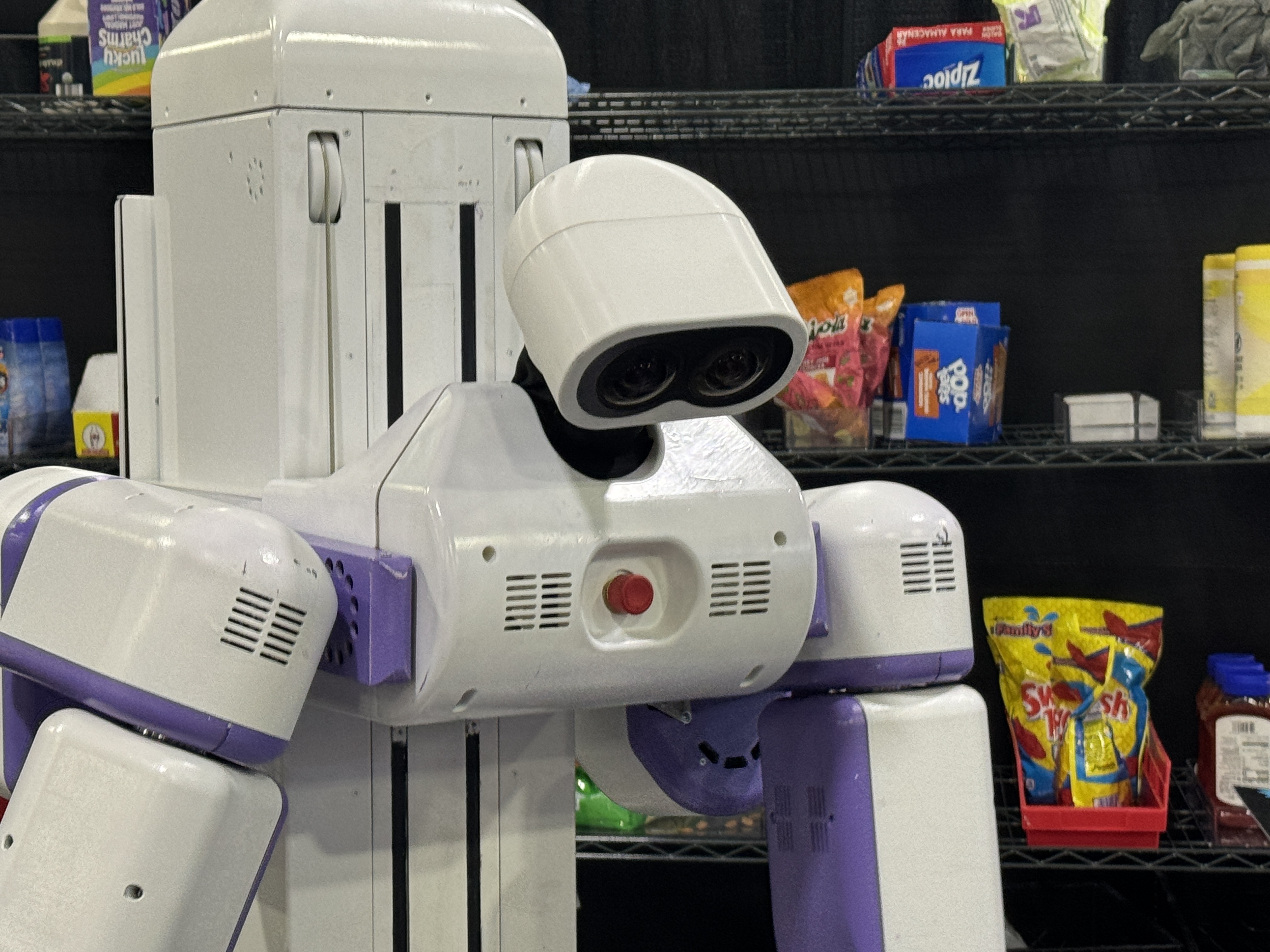 Reflex Robotics Reflex Robot | 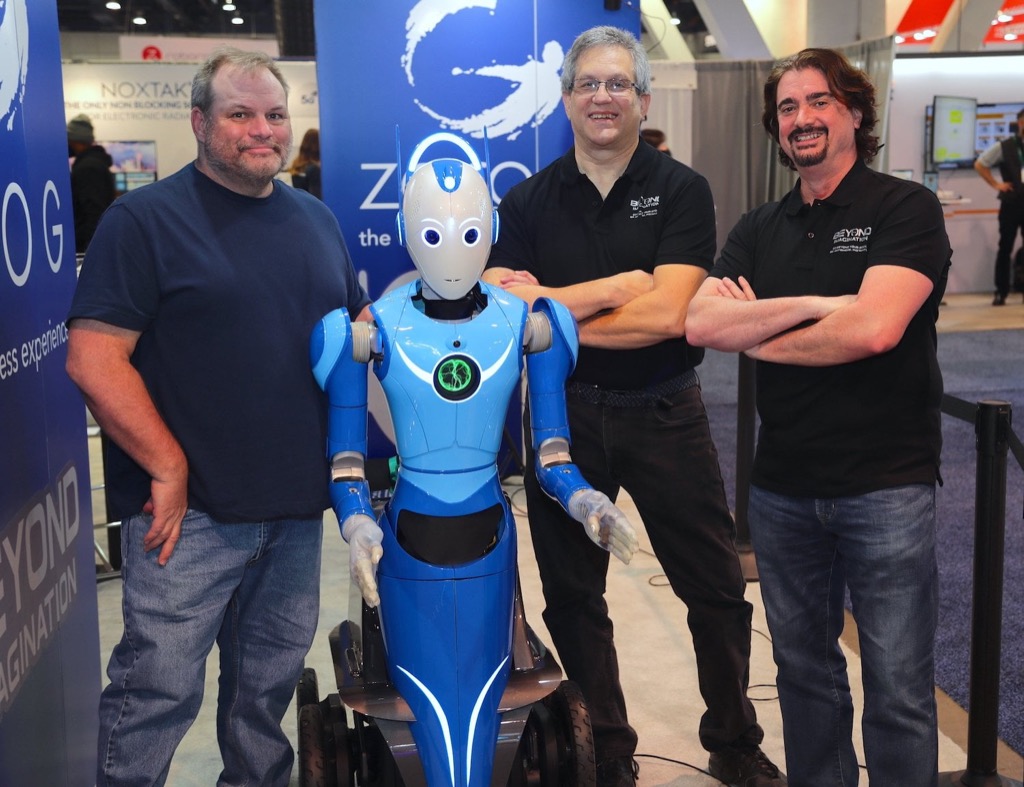 Beyond Imagination Beyond Imagination Beomni | |
|---|---|---|---|---|
| Price (US) | $7,999 – $9,999 | $100,000 – $150,000 | ~$10,000 | ~$150,000 |
| Availability | On the market | Lease / RaaS | Pilot programs | Pilot programs |
| Height | Unknown | 1.75 m | Adjustable via spine | up to 1.8 m |
| Payload | Unknown | 40 kg dual-arm | 25+ lb/arm | ~16 kg per arm |
| DoF | Isaac | 29 | Unknown | 12 |
| Buyer | Individuals | Enterprise | Enterprise | Enterprise |
| Made in | US | US | US | US |
What the Weave Isaac costs — and how to get one
Isaac 0 one-time: $7,999 current (was $9,999); $450/mo subscription alt.
Consumer-focused; laundromat pilots; no stated B2B program
Leasing / RaaS: Yes - $450/mo subscription
Every spec, grouped & sourced
Tap a group to expand. Values are labelled official vs third-party; unknowns are omitted, not guessed.
Body & movement▾
Power & endurance▾
Hands & senses▾
Brains & control▾
Claims vs evidence
Blend of autonomy + teleop; autonomous on common garments; weekly AI updates; Isaac 1 reportedly uses Physical Intelligence foundation models
Where it's working
Pilots at Tumble Laundry & Seabreeze Cleaners (SF); fleet folded thousands of pounds pre-launch
Intended use cases: Home: Isaac 0 folds laundry (not large blankets); Isaac 1 targets tidying/decluttering
Should you consider the Weave Isaac?
Weave is one of very few companies that has actually put a chore robot in people's homes, and it did it twice inside six months — the stationary Isaac 0 in February 2026, the mobile Isaac 1 announced in July. At $7,999 or $449 a month it is worth it for a Californian early adopter who hates tidying and doesn't mind cameras and a remote operator in the loop. For everyone else in 2026 it is a list to join, not a purchase to plan.
Score reflects stated criteria (availability, data confidence, US relevance) — not hands-on testing or user ratings. We're an independent review & comparison site; we don't sell robots. *Financing figure is illustrative.
How we know this
Data confidence 55/100 · last verified 2026-06-24. Specs are labelled official vs third-party and dated; unknowns are omitted, not guessed.
Weave Isaac — your questions, answered in full
How much does the Weave Isaac cost?+
Isaac 1 is $7,999 up front or $449 per month on subscription, reserved with a $250 refundable deposit. The earlier stationary Isaac 0 launched at $9,999 and later sold at $7,999.
What is the difference between Isaac 0 and Isaac 1?+
Isaac 0, from February 2026, is a stationary torso that sits beside a table and folds laundry. Isaac 1, announced 2 July 2026, moves on a motorised base, telescopes from about 0.9 m to roughly 1.75 m, and also clears clutter and makes beds.
When does the Isaac 1 ship?+
Weave says deliveries begin in the autumn of 2026, starting in California. Outside the state you're joining a reservation list rather than getting a near-term delivery date.
Is the Weave Isaac fully autonomous?+
No. It blends on-board autonomy with human teleoperation — remote Weave operators step in for the parts the robot can't handle alone. That is how it manages nearly a whole laundry pile from day one.
What can the Isaac not fold?+
Isaac 0 did not fold large blankets or bed sheets. Weave has not clearly stated whether Isaac 1 handles them, so treat big flat items as unproven. Everyday clothes, socks and inside-out garments are the demonstrated ground.
Does the Isaac have privacy risks?+
It has cameras and remote operators, so yes, a human can at times see into your home through the robot. Weave provides a physical control to disable the cameras. Weigh that trade before buying.
How long does Isaac take to fold a load?+
Weave quotes roughly 30 to 90 minutes for an average load, depending on the mix of garments and how much teleoperation help was needed.
Where can I buy a Weave Isaac?+
Direct from Weave Robotics, with a $250 refundable deposit. Availability starts in California; Isaac 0 has shipped to homes and businesses in the state since February 2026 and Isaac 1 follows the same rollout.