K-Scale K-Bot
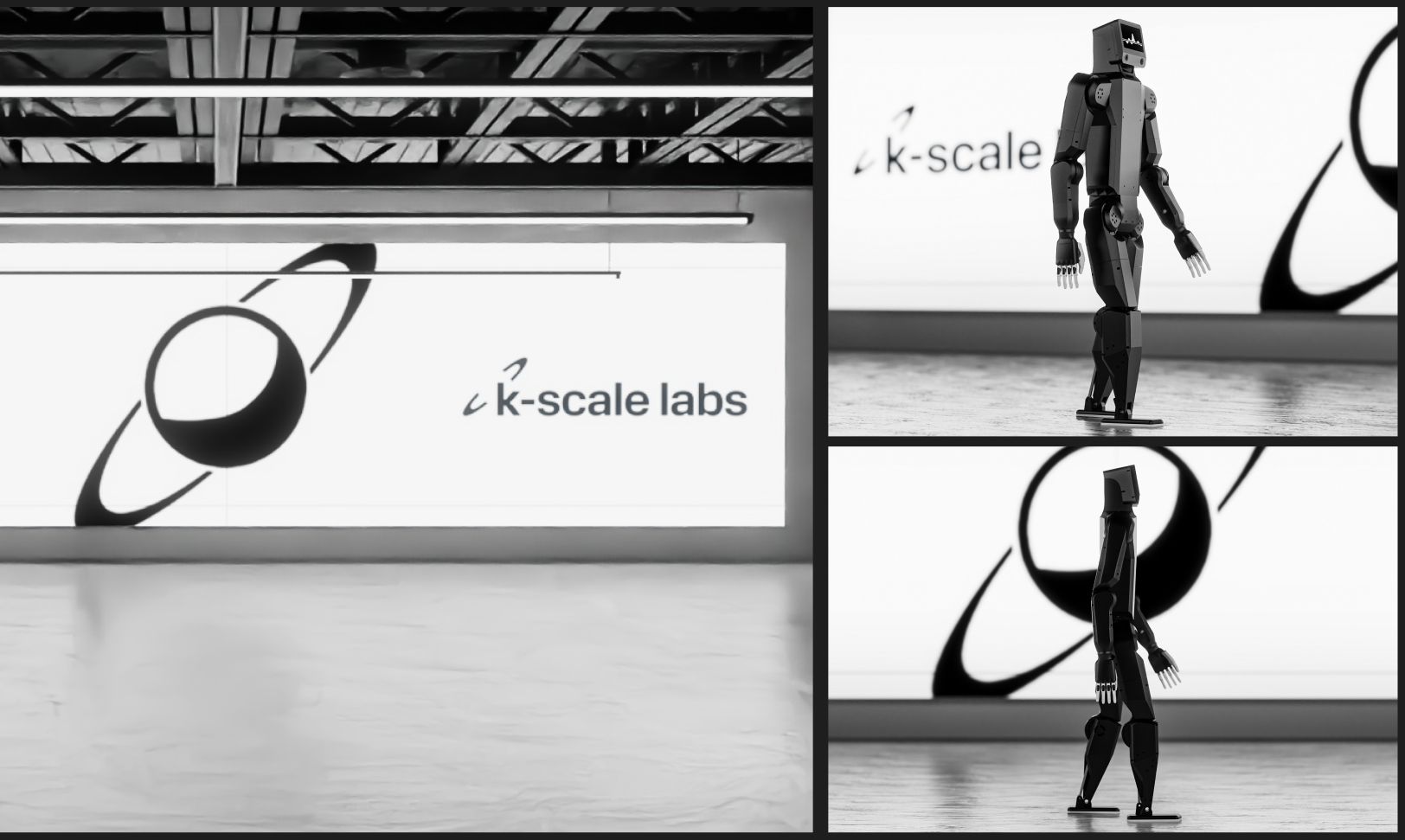
The K-Bot was an open-source humanoid robot from K-Scale Labs, a Palo Alto startup that pitched an affordable, hackable developer platform. It's discontinued: K-Scale shut down in November 2025 after shipping only a couple of Founder's Edition units (priced at $8,999 for the first 100) and refunding remaining preorders. The company then released its IP as open source, so the designs live on even though you can't buy a new K-Bot.
US buyers: unaffected by the July 2026 import restriction — K-Scale Labs was a US maker, though the robot is no longer sold.
K-Bot came out of a Palo Alto startup, so it was never in the foreign-produced category. The reason you cannot buy one has nothing to do with the July rule: K-Scale wound the product down, and what remains available is the open-source design material rather than hardware. Anything you find now is second-hand.
The design files are open and reachable from anywhere; no commercial channel exists in any region.
As of 2026-08-30 · medium confidence — verify before you commit funds
What is the K-Scale K-Bot?
K-Bot was the open-source K-Scale Labs robot, and its source outlived the company that built it.
The K-Bot is a cautionary tale as much as a robot. K-Scale Labs made a genuine splash pitching "America's first open-source humanoid" — a fully open hardware and software stack that developers and hobbyists could actually build on, at a price that undercut basically everyone.
For a moment it looked like it might work. Founder's Edition units started shipping in October 2025 at $8,999 for the first hundred buyers. Then, weeks later, the money ran out. K-Scale failed to raise more funding and shut down in November 2025, having shipped just two units and refunding the rest of its preorders.
So this page is a bit different from our usual buyer guides, because you can't buy a K-Bot new. But the story, the specs, and especially the open-sourced IP are still worth understanding, and there's a real lesson here for anyone eyeing cheap-humanoid promises.
What was the K-Bot?
The K-Bot was a compact developer/research humanoid. It stood about 1.4 m (4 ft 7 in) and weighed around 34 kg (77 lb), with 20 degrees of freedom and actuators rated to roughly 120 N·m of torque, plus swappable attachments for different tasks.
What set it apart wasn't the hardware numbers, it was the openness. K-Scale open-sourced the mechanical CAD, a custom Rust-based operating system called K-OS, and simulation tools for sim-to-real reinforcement learning. The whole idea was a platform for AI/ML experimentation, RL, vision-language-action models, locomotion and manipulation R&D, that you could genuinely inspect and modify top to bottom.
Importantly, it was never pitched as a deployed household worker. It was a dev kit for people building the future of embodied AI, education and hobbyist tinkering included.
How much did the K-Bot cost?
K-Scale shipped Founder's Edition K-Bots in October 2025 at $8,999 for the first 100 units, strikingly cheap for a full developer humanoid. Earlier messaging had even floated a far lower ambition (coverage referenced a $999 dream figure), which was always aspirational rather than the shipping price.
Since the company is gone and the product discontinued, there's no current retail price, any listing you find is historical. If you somehow encounter a used unit, understand it's an orphaned product with no manufacturer support, though the open-source stack does soften that blow for capable builders.
What happened to K-Scale Labs?
K-Scale Labs ceased operations in November 2025. The company couldn't secure additional funding to keep going, and despite the buzz, it had shipped only two K-Bots before shutting down and refunding all remaining preorders.
It's a sharp reminder that a compelling demo, a low price and genuine community enthusiasm don't guarantee survival, humanoid hardware is brutally capital-intensive, and a startup can run out of runway fast. If you're weighing any cheap-humanoid preorder, the K-Scale story is exactly the risk to keep in mind: your deposit is only as safe as the company's next funding round.
The open-source legacy: is the K-Bot IP still available?
Here's the genuinely good part of the ending. After shutting down, K-Scale released its proprietary intellectual property under open-source licenses, preserving the designs for the broader robotics community. The mechanical CAD, the K-OS operating system and the simulation tooling don't just vanish with the company.
So while you can't buy a supported K-Bot, a sufficiently determined lab or maker can study, adapt, or even rebuild from the open files. For the open-source robotics world that's a real contribution, arguably a more lasting one than a few hundred shipped units would have been. The project's DNA is out there for whoever wants to carry it forward.
K-Bot vs today's affordable humanoids
Against currently shipping cheap humanoids like Unitree's G1 or LimX's Oli, the K-Bot's edge was total openness — you weren't renting access to a vendor's black box. Its weakness, in hindsight, was the fragility of the company behind it.
The practical takeaway for 2026 buyers: openness and a low price are great, but so is a vendor that will still exist next year. Platforms from larger or better-funded makers carry less counterparty risk. The K-Bot's ideals were terrific; its runway wasn't. If you value open hardware, its released IP is a gift, just don't expect a supported product on the other end.
Should you still care about the K-Bot?
If you're a buyer looking for a working, supported humanoid to purchase today, the honest answer is no — it's discontinued and unsupported, move on to something that's actually shipping.
But if you're a researcher, open-hardware enthusiast, or historian of this weird, fast-moving moment in humanoid robotics, absolutely. The K-Bot is a meaningful data point: America's open-source humanoid attempt, its brief life, and an ending where the IP was set free rather than locked away. For the right person, those open files are still worth digging into.
The K-Bot on video
Hands-on reviews and teardowns, picked for what they actually show rather than how loud the thumbnail is.
K-Scale opening their own robot up — sixteen minutes of actuators, compute and wiring
Essential context before you consider buying: the founder explaining why the company wound down
The engineering talk behind the $8,999 target, useful for anyone forking the open hardware
Focused on the Robstride quasi-direct-drive actuators that most low-cost builds now copy
Who the K-Bot is — and isn't — for
+Where it shines
- Among the most affordable humanoids on the market right now.
- US-built, with local support and supply chain.
- Open developer access (SDK/API) — good for builders and labs.
- Stated real-world payload (~10 kg arm lift).
!Watch-outs
- Sold to businesses only — not to private buyers.
How the K-Bot stacks up
Side by side with similar robots — the one you're reading about is highlighted.
| This robot K-Scale Labs K-Bot | 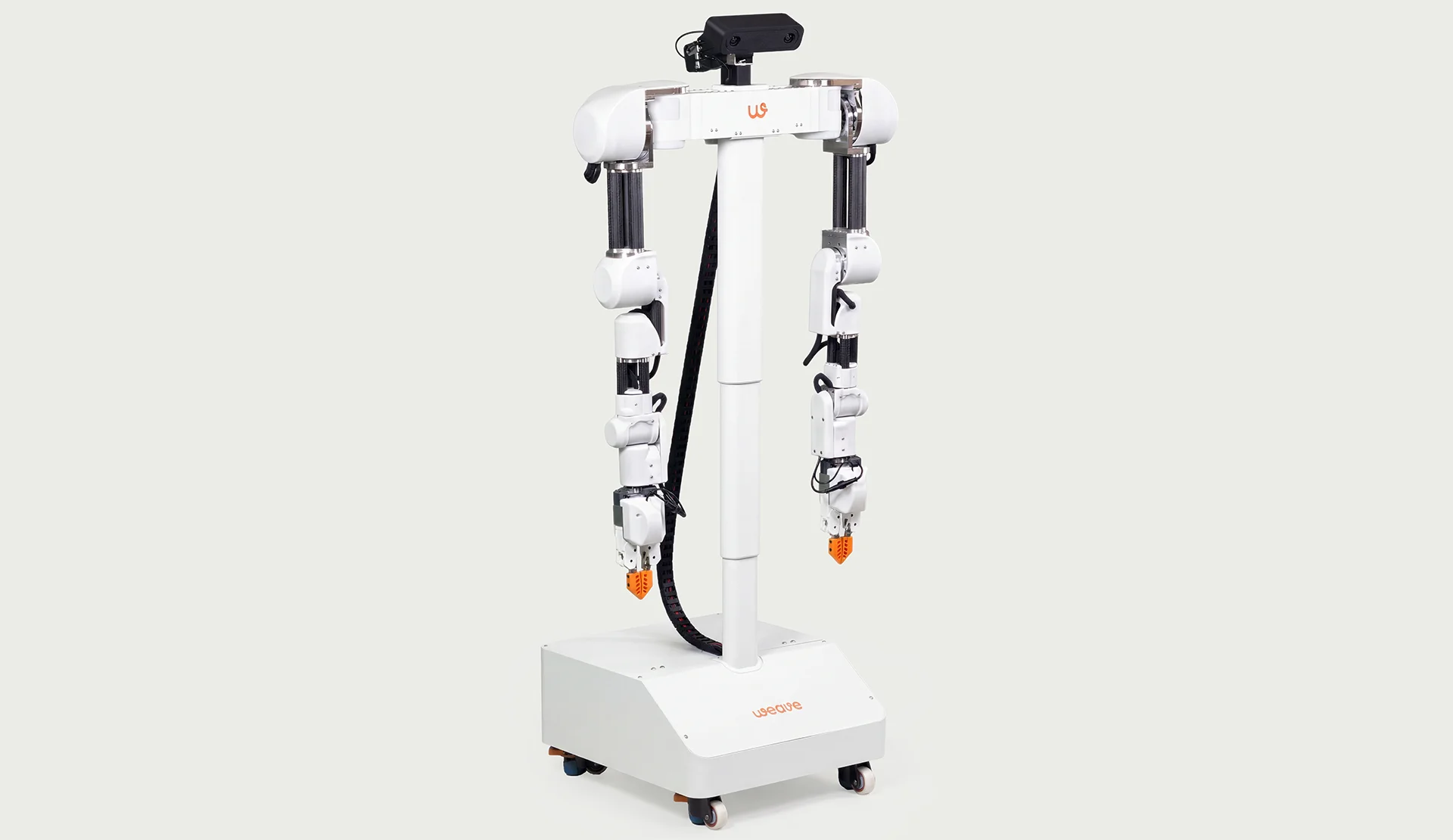 Weave Robotics Weave Isaac | 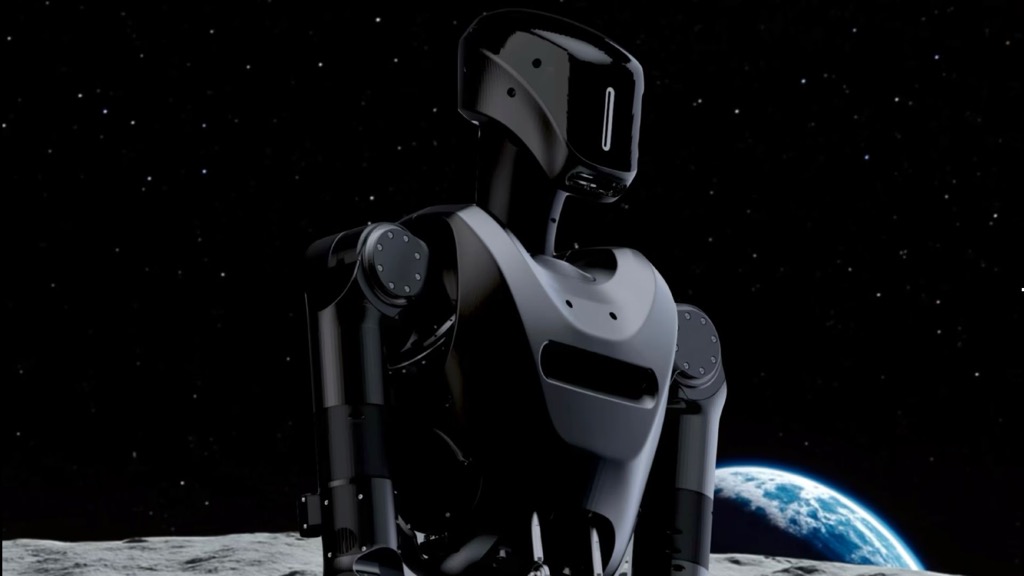 Foundation (Foundation Robotics) Foundation Phantom | 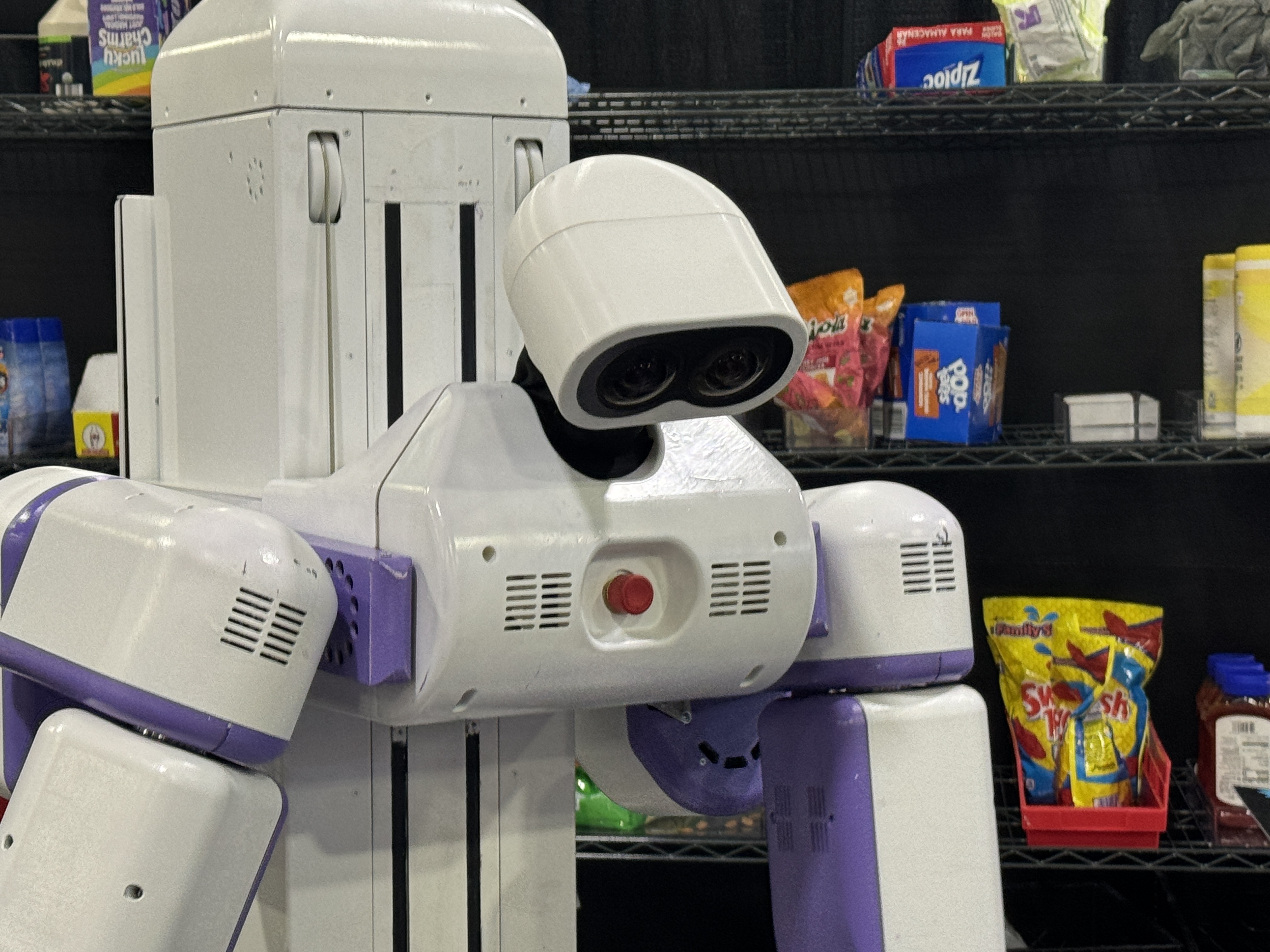 Reflex Robotics Reflex Robot | |
|---|---|---|---|---|
| Price (US) | ~$8,999 | $7,999 – $9,999 | $100,000 – $150,000 | ~$10,000 |
| Availability | Discontinued | On the market | Lease / RaaS | Pilot programs |
| Height | ~1.4 m | Unknown | 1.75 m | Adjustable via spine |
| Payload | ~10 kg arm lift | Unknown | 40 kg dual-arm | 25+ lb/arm |
| DoF | 20 | Isaac | 29 | Unknown |
| Buyer | Enterprise | Individuals | Enterprise | Enterprise |
| Made in | US | US | US | US |
What the K-Bot costs — and how to get one
Founder's Edition retail price (now discontinued).
Closed - ceased operations Nov 2025; preorders refunded
Leasing / RaaS: None
Every spec, grouped & sourced
Tap a group to expand. Values are labelled official vs third-party; unknowns are omitted, not guessed.
Body & movement▾
Power & endurance▾
Hands & senses▾
Brains & control▾
Claims vs evidence
Open-source stack: K-OS (Rust), K-Sim (RL, MuJoCo/JAX), K-VLA/EdgeVLA; base did stand/walk/balance + simple voice; full autonomy targeted ~2028, not achieved
Where it's working
Minimal (~2 units shipped before shutdown); Sam Altman reportedly pre-ordered; OpenAI nonprofit reportedly donated $250k (unverified)
Intended use cases: Developer/research platform; AI/ML experimentation (RL, VLA); locomotion/manipulation R&D; education/hobbyist. Not a deployed labor robot
What owners, reviewers and the press say about the K-Bot
Ratings and reception gathered from where this machine is actually sold and discussed. We summarise the signal — we don't republish anyone's reviews.
Sold direct by the maker rather than through any marketplace, so no rating surface exists. The meaningful public signal for this robot is its repositories and forum discussion, not stars.
+Reviewers consistently praise
- fully open-source hardware and Python SDK
- built on low-cost commodity parts, which keeps it hackable
- cheapest credible route to a full-size developer humanoid
!And consistently criticise
- questions about the company's ongoing support
- unproven durability
- requires real engineering effort from the buyer
What owners and developers actually say
K-Bot's reception is unusual because it is a software-community story rather than a product one: the code and hardware designs are public on GitHub, and the project was introduced to Hacker News in 2025 as an open-source humanoid from a YC-backed team. Robotics threads treat it as the reference answer to 'what is the best fully open-source humanoid', and prospective buyers discuss it around the nine-thousand-dollar mark. More recent community threads centre on the company's continuity rather than the robot, with developers noting the repositories remain public regardless.
Hacker News, r/robotics, GitHub · as of 2026-08-30
Consensus drawn from community discussion on a developer forum and robotics subreddits plus public repositories; no formal review exists.
Should you consider the K-Bot?
The K-Bot is a discontinued open-source humanoid whose maker, K-Scale Labs, shut down in November 2025 after shipping only two units. You can't buy a supported one, so as a purchase it's off the table, but its released open-source IP is a genuine gift to the robotics community, and its brief life is a sharp warning about the risk of cheap-humanoid preorders.
Score reflects stated criteria (availability, data confidence, US relevance) — not hands-on testing or user ratings. We're an independent review & comparison site; we don't sell robots. *Financing figure is illustrative.
How we know this
Data confidence 78/100 · last verified 2026-06-24. Specs are labelled official vs third-party and dated; unknowns are omitted, not guessed.
K-Bot — your questions, answered in full
Can you still buy a K-Bot?+
No. The K-Bot is discontinued, K-Scale Labs shut down in November 2025 and refunded remaining preorders after shipping only two units. There's no supported new unit to buy.
Who made the K-Bot?+
K-Scale Labs, a Palo Alto startup that pitched the K-Bot as America's first open-source humanoid robot, with a fully open hardware and software stack.
How much did the K-Bot cost?+
Founder's Edition units shipped in October 2025 at $8,999 for the first 100. An earlier $999 figure was aspirational messaging, not the actual shipping price.
Why did K-Scale Labs shut down?+
It failed to secure additional funding. Despite strong interest, humanoid hardware is very capital-intensive, and the company ran out of runway after shipping just two K-Bots.
What were the K-Bot's specs?+
About 1.4 m tall, roughly 34 kg, 20 degrees of freedom, actuators around 120 N·m of torque, swappable attachments, and an open Rust-based OS called K-OS with sim-to-real tools.
Is the K-Bot's IP open source?+
Yes. After shutting down, K-Scale released its IP, mechanical CAD, K-OS, and simulation tooling, under open-source licenses, so the designs are preserved for the community.
Is this K-Bot related to David Hanson's 2004 K-Bot?+
No, they're unrelated. David Hanson's K-Bot was an expressive robotic face demonstrated around 2004. K-Scale Labs' K-Bot is a separate, full-body open-source humanoid from 2025.
Should I buy a used K-Bot?+
Only if you're a capable builder who understands it's an orphaned, unsupported product. The open-source stack helps, but there's no manufacturer support behind it anymore.