Kawasaki Kaleido 9 Robot
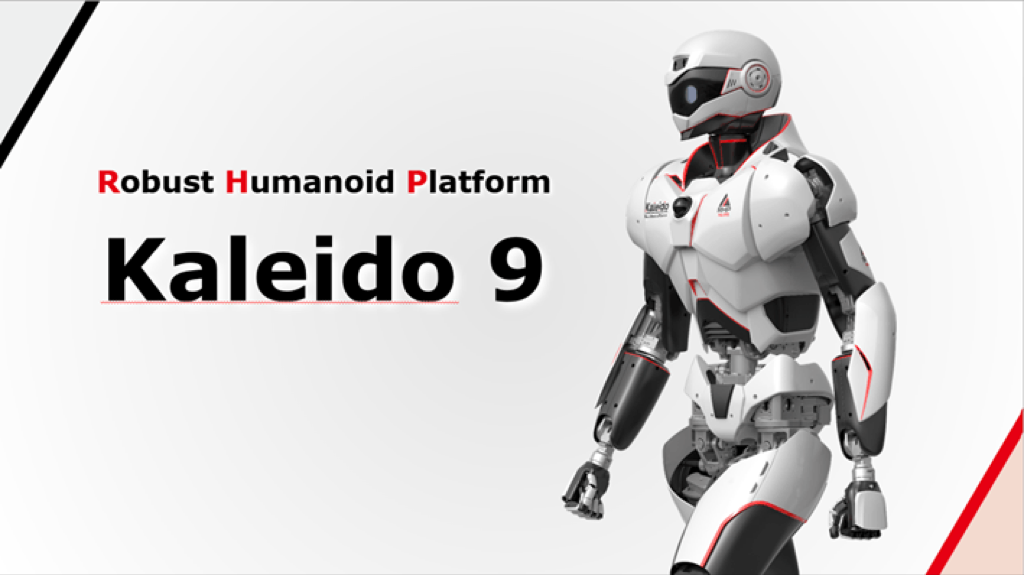
The Kaleido 9 is the ninth-generation humanoid in Kawasaki Heavy Industries' long-running Kaleido (RHP) series, aimed at factory tasks and disaster response. It emphasizes stability and can handle loads in the roughly 18-30 kg range, and it supports VR/head-mounted remote control for rescue work. It was unveiled at the 2025 International Robot Exhibition in Tokyo, with pilots expected from 2026 — but Kawasaki's own roadmap is deliberately long-term, stretching to 2040 and beyond for full disaster response.
US buyers: Kaleido is Japanese-built, which the July 2026 rule catches on its wording — no US channel is open regardless.
Kawasaki is running pilots in Japan during 2026, and there is no US sales route today. If one opened, a Japan-built humanoid would be foreign-produced under the FCC test and would need an authorization granted before the cutoff or a conditional approval. Nothing suggests Kawasaki has sought either.
Japanese pilots proceed normally; the measure is US-only.
As of 2026-08-30 · medium confidence — verify before you commit funds
What is the Kawasaki Kaleido 9 Robot?
Kaleido 9 is the ninth Kawasaki robot in a humanoid line that has been running quietly for well over a decade.
Kawasaki has been quietly building humanoids for a long time. The Kaleido line goes back to around 2015, and the Kaleido 9 is the ninth generation — this is not a startup trying to catch lightning, it's a heavy-industry giant iterating patiently.
The Kaleido 9's personality is different from the flashy general-purpose bots too. Kawasaki is aiming it at two fairly serious use cases: industrial work and disaster response, including rescuing people from places too dangerous for humans. For that second job it leans on VR-style teleoperation, so a human operator can guide it in real time.
That patience shows up in the roadmap, which is refreshingly honest about how long real disaster-response capability will take. Let's dig in.
What is the Kawasaki Kaleido 9?
Kaleido 9 is a bipedal humanoid and the latest in Kawasaki's RHP Kaleido research series. Kawasaki unveiled it at the 2025 International Robot Exhibition in Tokyo. The big engineering focus this generation was stability — engineers reinforced the waist and leg joints to tackle the balance problems that have dogged earlier versions.
On payload, reporting varies a little: some sources cite around 18 kg, others describe lifting 30 kg loads. Either way it's built for meaningful physical work. A new sensor suite lets it perceive its surroundings and navigate, and it has been shown learning to operate tools like cleaning equipment.
There's also a companion concept called the Kaleido Station, a wheeled mobile platform that carries the robot efficiently over flat ground; when it reaches the worksite, Kaleido stands up and gets to work. Legs are great for rough terrain, wheels are great for distance — this splits the difference.
How does Kaleido 9 handle disaster response?
This is where the teleoperation comes in. Kaleido 9 supports intuitive, real-time remote operation through a head-mounted display, so a human operator can effectively see through the robot and control it in a hazardous environment. It's already been demonstrated in disaster-response scenarios like rescuing a person.
It's important to be clear-eyed here: this is teleoperated, not an autonomous rescuer making its own decisions. For dangerous, unpredictable environments that's arguably the right call — you want a human in the loop when lives are at stake — but it does mean Kaleido 9 in rescue mode is a very capable remote body, not an independent agent.
When will Kaleido 9 be available?
Pilots are expected from 2026, and this is where Kawasaki's honesty stands out. Rather than promising a rescue robot next year, the company laid out a decades-long roadmap: simple factory tasks by around 2030, complex assembly by 2040, and full disaster-response capability beyond 2040.
So Kaleido 9 today is a research-and-pilot platform, not a product you deploy at scale. If you were hoping to buy a rescue humanoid soon, temper that. What you're watching is a serious, methodical program building toward those goals over 15+ years.
How much does the Kaleido 9 cost?
Kawasaki hasn't published a price, which fits its status as a pilot and research platform rather than a catalog product. Access is via inquiry and pilot programs from 2026.
Given it's aimed at industrial and disaster-response users — governments, large enterprises — expect enterprise-level arrangements rather than a listed price. Any specific figure online should be treated as unconfirmed.
Kaleido 9 vs other humanoids
The interesting contrast is with the US and Chinese approach. As some industry analysts have noted, Japanese firms like Kawasaki are advancing core components and taking a slower, engineering-led path, while US and Chinese players race to scale full-system applications. Kaleido 9 embodies that Japanese strategy.
Versus a fast-shipping bot like EngineAI's T800 or the general-purpose ambitions of Tesla Optimus, Kaleido 9 looks conservative — fewer bold claims, longer timelines, a heavy focus on stability and teleoperation for genuinely dangerous work. Whether that patience pays off is the open question, but for disaster response specifically, methodical and reliable beats fast and flashy.
Is Kaleido 9 worth watching and who is it for?
Kaleido 9 isn't for consumers or developers, and it's not really "for sale" in a normal sense yet. Its natural audience is industrial operators and disaster-response agencies who'd participate in pilots and help shape the long roadmap.
If you're tracking the humanoid field, Kaleido 9 is worth watching precisely because Kawasaki is being realistic. The teleop-first, stability-first, decades-long plan is a useful counterweight to the hype elsewhere. Just go in understanding this is early-stage: a promising platform on a long journey, not a robot you'll see rescuing people at scale this year.
The Kawasaki Kaleido 9 on video
Hands-on reviews and teardowns, picked for what they actually show rather than how loud the thumbnail is.
Kawasaki's own iREX 2025 highlight of Kaleido 9 — current hardware, properly lit
Explains the disaster-response brief that shapes Kaleido's whole design, unlike factory-focused rivals
Ten unedited minutes of the live booth demo, including the pauses a highlight reel removes
Who the Kawasaki Kaleido 9 is — and isn't — for
+Where it shines
- Stated real-world payload (18 kg).
!Watch-outs
- No public list price — you'll need a quote.
- Some demos rely on teleoperation, not full autonomy.
- Sold to businesses only — not to private buyers.
How the Kawasaki Kaleido 9 stacks up
Side by side with similar robots — the one you're reading about is highlighted.
| This robot Kawasaki Heavy Industries Kawasaki Kaleido 9 | PNDbotics PNDbotics Adam | 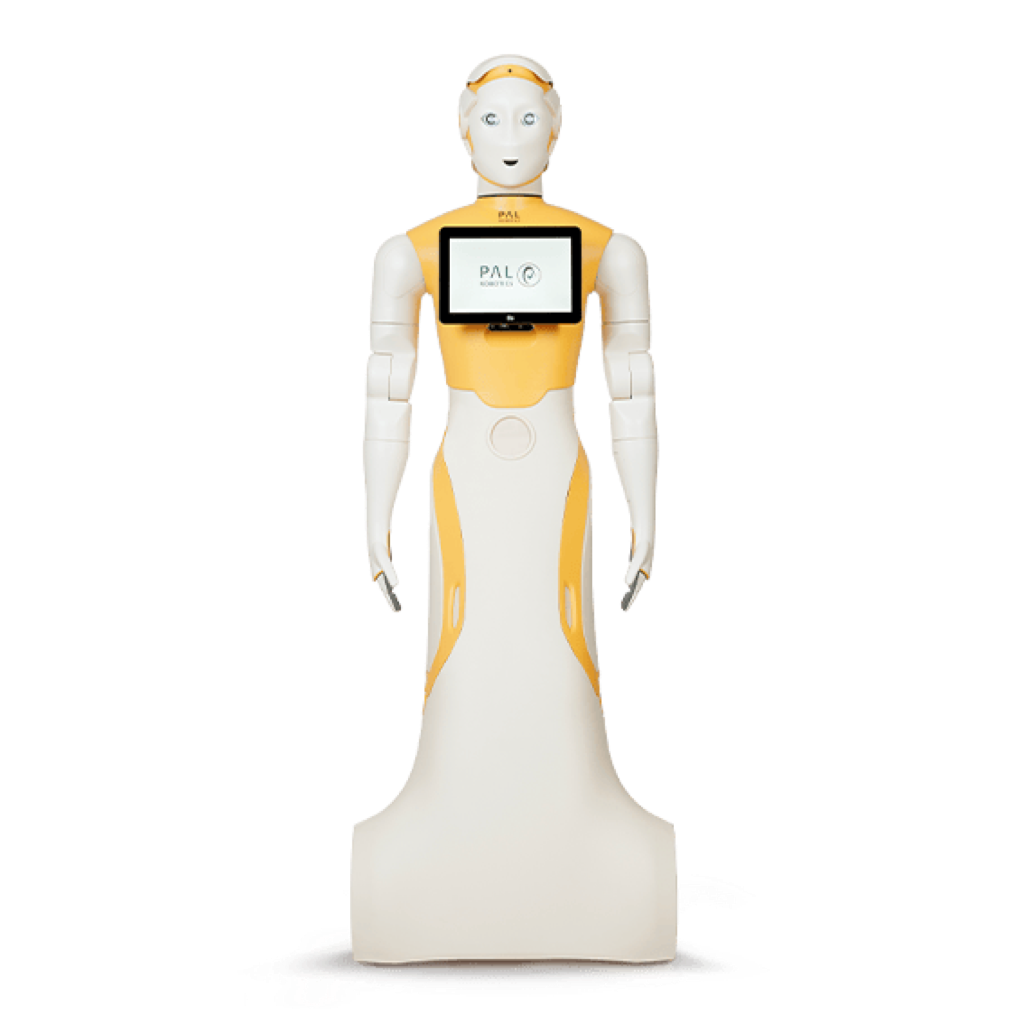 PAL Robotics PAL Robotics ARI | 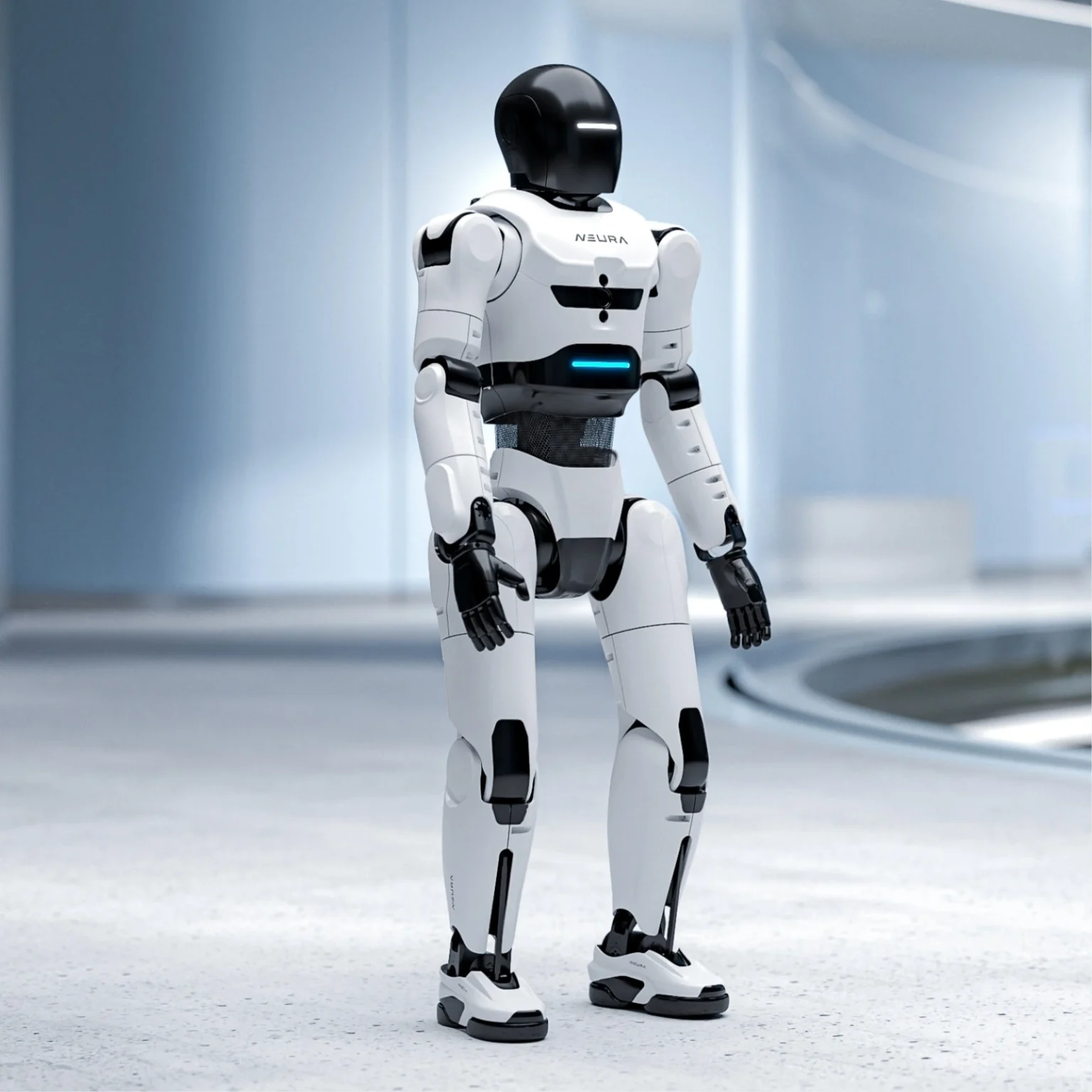 NEURA Robotics NEURA Robotics 4NE-1 | |
|---|---|---|---|---|
| Price (US) | Inquiry | $99,999 – $145,000 | $35,000 – $90,000 | $65,000 – $105,000 |
| Availability | Pilot programs | On the market | On the market | Reservations open |
| Height | 190 cm | 1.67 m | 1.65 m | 180 cm |
| Payload | 18 kg | ~5 kg | ~0.5 kg per arm | Arms rated ~20 kg; up to 100 kg lifting in leg-supported/full-body configurations |
| DoF | Unknown | Lite | ~12 | Hands |
| Buyer | Enterprise | Enterprise | Individuals | Enterprise |
| Made in | Other | Other | Other | Other |
What the Kawasaki Kaleido 9 costs — and how to get one
Kaleido 9 bipedal; pilots from 2026 (inquiry).
Unknown
Leasing / RaaS: unknown
Every spec, grouped & sourced
Tap a group to expand. Values are labelled official vs third-party; unknowns are omitted, not guessed.
Body & movement▾
Power & endurance▾
Hands & senses▾
Brains & control▾
Claims vs evidence
Teleop + autonomy
Where it's working
No verified large-scale deployment
Intended use cases: Industrial and disaster response (heavy lift, teleop)
Should you consider the Kawasaki Kaleido 9?
Kaleido 9 is Kawasaki playing the long game: a stable, teleoperation-focused humanoid for factories and disaster zones, backed by a refreshingly honest decades-long roadmap. It's a pilot-stage platform, not a product you'll deploy tomorrow — but as a serious, realistic program it's well worth following.
Score reflects stated criteria (availability, data confidence, US relevance) — not hands-on testing or user ratings. We're an independent review & comparison site; we don't sell robots. *Financing figure is illustrative.
How we know this
Data confidence 38/100 · last verified 2026-06-30. Specs are labelled official vs third-party and dated; unknowns are omitted, not guessed.
Kawasaki Kaleido 9 — your questions, answered in full
What is the Kawasaki Kaleido 9?+
It's the ninth generation of Kawasaki Heavy Industries' Kaleido (RHP) humanoid series, a bipedal robot aimed at factory work and disaster response, unveiled at the 2025 International Robot Exhibition in Tokyo.
Is Kaleido 9 autonomous or remote-controlled?+
For disaster response it's teleoperated — a human operator controls it in real time through a head-mounted display. It has autonomous navigation for getting around, but rescue work keeps a human in the loop.
How much can Kaleido 9 lift?+
Reports vary between about 18 kg and 30 kg depending on the source, so treat the exact figure as approximate.
When will Kaleido 9 be available?+
Pilots are expected from 2026. Kawasaki's broader roadmap targets simple factory tasks by around 2030, complex assembly by 2040, and full disaster response beyond 2040.
What is the Kaleido Station?+
It's a companion wheeled mobile platform that carries the robot efficiently over flat ground; when it reaches the worksite, Kaleido stands up and performs its tasks.
How much does the Kaleido 9 cost?+
Kawasaki hasn't announced a price. It's a pilot and research platform accessed by inquiry, so any figure online is unconfirmed.
Can Kaleido 9 be used for rescue today?+
It's been demonstrated in disaster-response scenarios, but it's still early-stage. Full real-world disaster response is a long-term goal on Kawasaki's roadmap, not a current deployed capability.
Peer-reviewed research on the Kawasaki Kaleido 9
Published academic work — peer-reviewed papers and preprints — involving this robot or its maker's systems, indexed in scholarly databases (OpenAlex, arXiv). Not blog posts or press write-ups.
- Whole-body Multi-contact Motion Control for Humanoid Robots Based on Distributed Tactile SensorsMasaki Murooka, Kensuke Fukumitsu, Marwan Hamze, Mitsuharu Morisawa, Hiroshi Kaminaga, Fumio Kanehiro, Eiichi Yoshida · 2024 · IEEE Robotics and Automation Letters (RA-L)
- TACT: Humanoid Whole-body Contact Manipulation through Deep Imitation Learning with Tactile ModalityMasaki Murooka, Takahiro Hoshi, Kensuke Fukumitsu, Shimpei Masuda, Marwan Hamze, Tomoya Sasaki, Mitsuharu Morisawa, Eiichi Yoshida · 2025 · arXiv preprint
Academic references are factual citations from open scholarly indexes; listing is not endorsement.