MagicLab MagicBot Z1 Robot
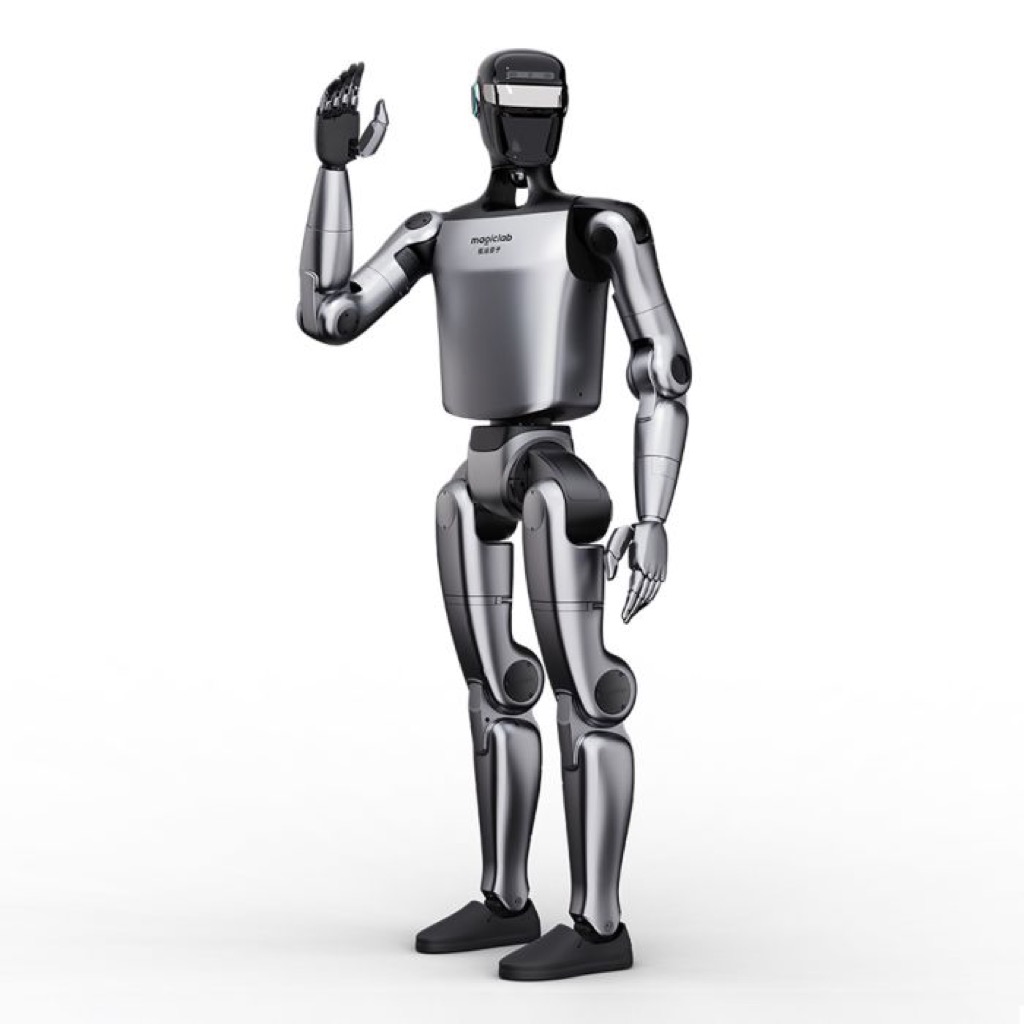
The MagicBot Z1 is a 1.4-meter bipedal humanoid from MagicLab, a fast-rising Chinese robotics startup, built for industrial pilots, service work and eventually the home. Reservation figures have circulated around $24,700 (¥177,800), though MagicLab hasn't fully committed to public consumer pricing and early batches sold out quickly. For now it's largely a China-domestic product, so overseas buyers should expect import friction.
US buyers: no new imports — this model has no US authorization on record, and the July 2026 rule closes that route.
MagicLab takes China-domestic reservations, and the robot has reached US-facing audiences only through third-party resale. Without a pre-cutoff authorization it cannot be newly imported or sold in the US.
China-domestic reservations are unaffected.
As of 2026-08-30 · medium confidence — verify before you commit funds
What is the MagicLab MagicBot Z1 Robot?
The Z1 is the agile MagicLab robot — the one built to move quickly rather than lift heavily.
MagicLab is one of those companies that seemed to come out of nowhere. Founded in late 2023, it went from a small startup to a robot maker with units deployed on real production floors in barely two years, and the MagicBot Z1 is the model catching the most attention.
The Z1's appeal is athleticism. It's light, quick on its feet and packs high-torque joints, which makes it look genuinely capable in demos rather than just standing there posing. MagicLab positions it across industrial, commercial and companion roles, with home use on the roadmap rather than shipping today.
Below we break down what's confirmed about the Z1, the reservation pricing that's floated around, and the important caveat that this is mostly a China-market machine for now.
What is the MagicBot Z1?
The MagicBot Z1 is a bipedal humanoid standing about 1.4 meters tall and weighing only around 40 kg, which is light for its class. That low weight helps it move quickly, MagicLab quotes walking speeds up to 2.5 m/s, and it can step over obstacles up to about 15 cm.
Depending on configuration it carries between 24 and 50 degrees of freedom, with high-torque smart joints rated above 130 N·m. Sensing comes from 3D LiDAR, depth cameras and binocular fisheye vision, giving it solid spatial awareness for navigation and manipulation.
Add the optional 11-DoF MagicHand S01 and each five-fingered hand can handle delicate parts or lift up to about 5 kg, which opens the door to real service and light industrial tasks.
How much does the MagicBot Z1 cost?
This is where things get fuzzy. Reservation-era figures for the Z1 have circulated around ¥177,800, roughly $24,700, which would make it aggressively priced for a humanoid this capable.
That said, MagicLab has generally operated on a contact-sales model and hasn't published a firm, universal consumer price. Estimates for full enterprise deployments run considerably higher, and any specific dollar figure outside China should be treated as unconfirmed.
Demand has clearly outstripped supply, when MagicBot units appeared on the JD marketplace around the 2026 Spring Festival Gala, they reportedly sold out within minutes.
Is the MagicBot Z1 available to buy?
MagicLab is accepting reservations, but availability is real-world limited. Early batches sold out fast, and the primary sales channels are China-domestic, so this is not a robot you can casually order to a US or European address today.
For overseas buyers, any purchase currently means going through importers or grey-market resellers, with the usual caveats around warranty, support and software localisation. There's no established Western retail presence.
If you're outside China and set on a Z1, plan for import logistics and don't count on official after-sales support in your region.
How does the MagicBot Z1 work and how autonomous is it?
The Z1 uses its LiDAR, depth and fisheye vision stack to perceive and navigate its surroundings, and MagicLab's demos show it walking, balancing and manipulating objects with a fair amount of independence.
Still, as with essentially every humanoid at this stage, polished demo footage doesn't guarantee full autonomy for arbitrary tasks. Many industrial deployments today lean on pre-programmed routines and, in some cases, human oversight or teleoperation for complex manipulation. MagicLab hasn't published detailed independent benchmarks on unsupervised task success.
So treat it as a capable, semi-autonomous platform that shines within defined tasks, rather than a robot that improvises freely around your house.
MagicBot Z1 vs Unitree G1: how do they compare?
Both are light, agile Chinese humanoids at broadly similar sizes, and both have made a splash with acrobatic demos. The Unitree G1 leans hard into the developer and research market with an accessible, programmable platform.
The MagicBot Z1 pushes more toward service and industrial deployment, with its higher-torque joints and optional dexterous MagicHand aimed at real manipulation work. Its reservation pricing, if it holds, would land it in a comparable ballpark to a well-specced G1.
For pure tinkering the G1 has a bigger community; for service-task ambitions the Z1's hardware is arguably better suited. Both, importantly, are China-first products.
Is the MagicBot Z1 worth it and who should buy it?
For businesses in China running service or light-industrial pilots, the Z1 looks like strong value, capable hardware, fast movement, and pricing that undercuts many Western humanoids. That's clearly its sweet spot right now.
For home buyers, patience is the honest advice. Home use is on the roadmap, not shipping, and the software maturity for unsupervised domestic chores simply isn't there yet across the industry, MagicLab included.
And for anyone outside China, the import barrier is the real dealbreaker today. The Z1 is impressive, but it's not yet an easy or well-supported buy in Western markets.
The MagicLab MagicBot Z1 on video
Hands-on reviews and teardowns, picked for what they actually show rather than how loud the thumbnail is.
The Z1 launch, with the 50-DOF configuration stated on camera
MagicLab publishes progress weekly; this one shows how far the locomotion moved after launch
Independent show-floor footage of Z1 next to MagicLab's other machines
Who the MagicLab MagicBot Z1 is — and isn't — for
+Where it shines
- Among the most affordable humanoids on the market right now.
- Stated real-world payload (~3 kg per arm; up to 5 kg per hand with optional MagicHand S01).
!Watch-outs
- Sold to businesses only — not to private buyers.
- Public data is thin; verify key figures before relying on them.
How the MagicLab MagicBot Z1 stacks up
Side by side with similar robots — the one you're reading about is highlighted.
| This robot MagicLab MagicLab MagicBot Z1 | 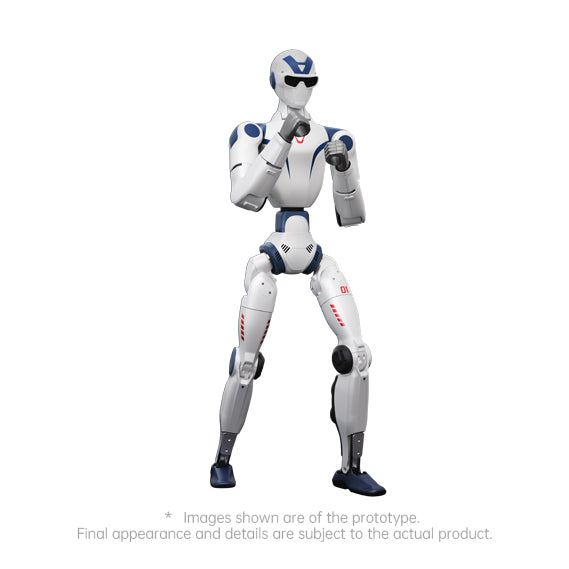 Unitree Robotics Unitree R1 | 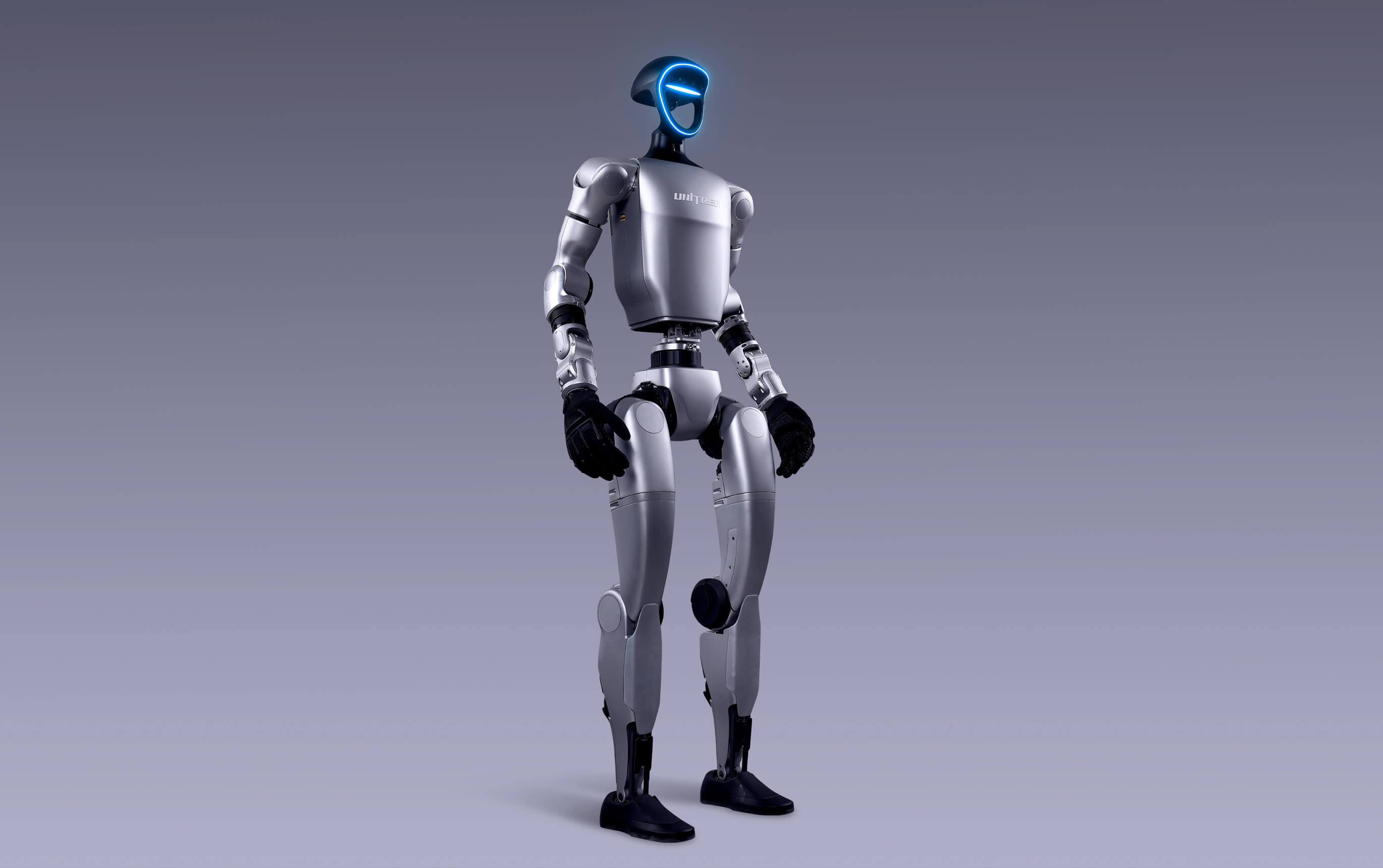 Unitree Robotics Unitree G1 | 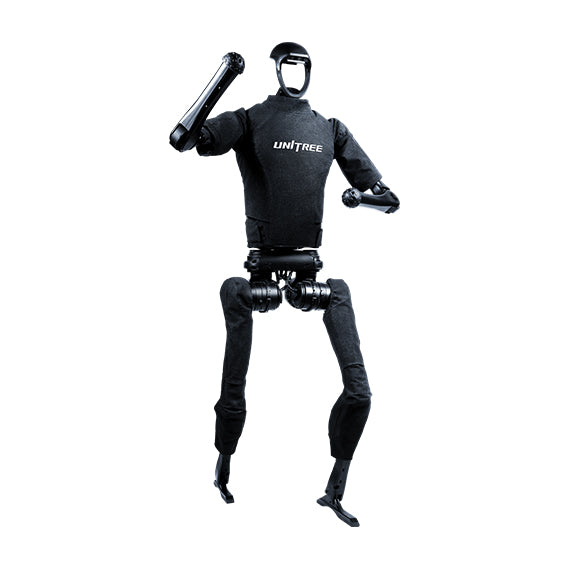 Unitree Robotics Unitree H1 | |
|---|---|---|---|---|
| Price (US) | ~$24,700 | $4,900 – $5,900 | $13,500 – $73,900 | ~$90,000 |
| Availability | Reservations open | On the market | On the market | On the market |
| Height | 1.4 m | 1.23 m | 1.32 m standing | ~1.80 m |
| Payload | ~3 kg per arm; up to 5 kg per hand with optional MagicHand S01 | Unknown | Arm ~2 kg | Not rated for H1 |
| DoF | 24 | 20 | 23 | ~19 |
| Buyer | Enterprise | Individuals | Individuals | Enterprise |
| Made in | China | China | China | China |
What the MagicLab MagicBot Z1 costs — and how to get one
MagicBot Z1 ~$24,700 (¥177,800) on (batches sold out); China-domestic.
China reservations; batches sold out
Leasing / RaaS: unknown
Every spec, grouped & sourced
Tap a group to expand. Values are labelled official vs third-party; unknowns are omitted, not guessed.
Body & movement▾
Power & endurance▾
Hands & senses▾
Brains & control▾
Claims vs evidence
Embodied-AI control; service/home task learning
Where it's working
Industrial pilots + service; home claimed on roadmap
Intended use cases: General service and home tasks (home on roadmap); industrial pilots and service
Should you consider the MagicLab MagicBot Z1?
The MagicBot Z1 is a genuinely impressive, athletic humanoid at a reservation price that undercuts much of the field, and MagicLab's speed to real deployments is notable. But it's a China-first product with limited overseas availability and home use still on the roadmap, so it's best suited to Chinese business pilots today rather than Western home buyers.
Score reflects stated criteria (availability, data confidence, US relevance) — not hands-on testing or user ratings. We're an independent review & comparison site; we don't sell robots. *Financing figure is illustrative.
How we know this
Data confidence 42/100 · last verified 2026-06-30. Specs are labelled official vs third-party and dated; unknowns are omitted, not guessed.
MagicLab MagicBot Z1 — your questions, answered in full
How much does the MagicBot Z1 cost?+
Reservation figures have circulated around ¥177,800, roughly $24,700, but MagicLab largely uses a contact-sales model and hasn't locked in a universal public price. Enterprise deployment costs can run higher, and any figure outside China should be considered unconfirmed.
Can I buy a MagicBot Z1 in the US?+
Not easily. It's primarily a China-domestic product sold through Chinese channels, and early batches sold out quickly. A US purchase currently means importing through a reseller, with the warranty and support risks that come with that.
How tall and heavy is the MagicBot Z1?+
It stands about 1.4 meters tall and weighs only around 40 kg, which is notably light for a humanoid of its size and helps it move quickly, up to about 2.5 m/s.
What can the MagicBot Z1 do?+
It can walk fast, balance, step over small obstacles and, with the optional MagicHand S01, grasp delicate parts or lift up to about 5 kg per hand. It's aimed at industrial pilots and service tasks, with home use planned for later.
Is the MagicBot Z1 fully autonomous?+
It's semi-autonomous. It navigates and manipulates using its sensor suite, but like most current humanoids many real deployments rely on pre-set routines and sometimes human oversight for complex tasks. MagicLab hasn't released detailed independent autonomy benchmarks.
Who makes the MagicBot Z1?+
It's made by MagicLab, a Chinese robotics startup founded in December 2023 that has moved unusually fast from launch to real industrial deployments.