NEURA Robotics 4NE1 Mini
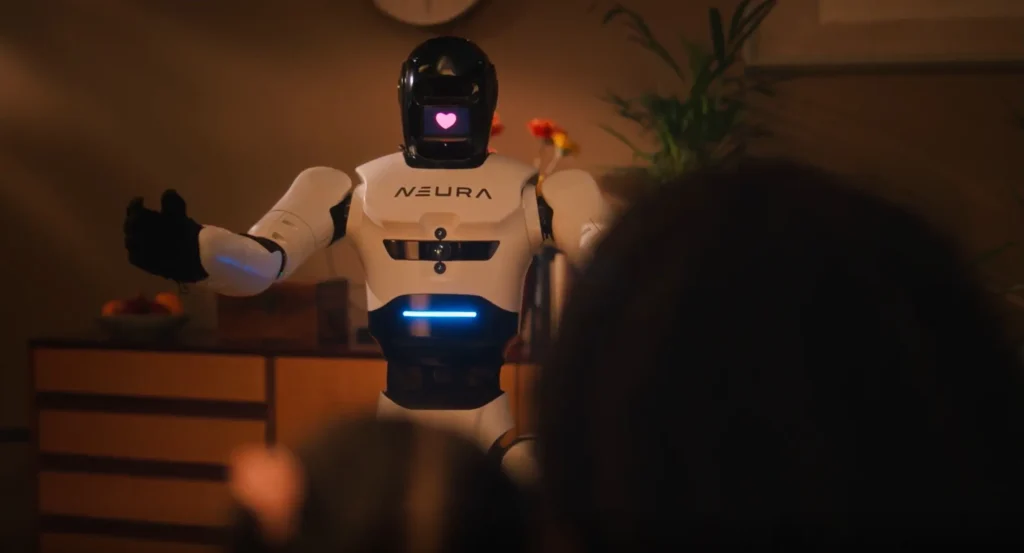
The 4NE1 Mini is NEURA Robotics' compact humanoid for research, education and home use. It's reservable now in two versions, Standard at €19,999 (~$21.5k) and Pro at €29,999 (~$34.8k), with a €100 refundable deposit and deliveries starting Spring 2026. At 1.32 m and 36 kg it's smaller and more accessible than a full-size humanoid.
US buyers: the 4NE-1 Mini is German-built and unreleased, so its US route depends on an authorization it does not yet have.
Same position as the rest of NEURA's line: reservations are open worldwide on a deposit, the robot is manufactured in Europe, and the July rule blocks new foreign-produced models from obtaining the FCC authorization US import and sale require. No US ship date has been given. Treat the deposit as an option, not a purchase.
European reservations are unaffected.
As of 2026-08-30 · medium confidence — verify before you commit funds
What is the NEURA Robotics 4NE1 Mini?
The 4NE1 Mini is the small NEURA robot — the 4NE-1 platform shrunk to a price a lab can sign off on.
NEURA's flagship 4NE1 is a full-size cognitive humanoid, and the 4NE1 Mini is exactly what it sounds like, a shrunk-down, cheaper, more approachable sibling. The goal is to put a real, programmable humanoid into labs, classrooms and enthusiast homes without the industrial price tag or footprint.
It's a smart bit of product strategy. A 1.32 m, 36 kg robot is far easier to live with, ship, and experiment on than something pushing 1.7 m and 60+ kg. And at €19,999 to start, it's priced like serious lab equipment rather than a moonshot.
Here's what the 4NE1 Mini is, how the two versions differ, when it ships, and whether it's the right compact humanoid for you.
What is the NEURA 4NE1 Mini?
The 4NE1 Mini is a compact cognitive humanoid standing 1.32 m tall and weighing about 36 kg, with a payload of up to 3 kg. It's built as an accessible platform for research, education and home assistance, basically a smaller, tamer version of NEURA's full-size 4NE1.
NEURA's whole identity is "cognitive robotics," meaning robots that perceive, learn and interact safely with people. The Mini carries that philosophy into a form factor that a university department or a classroom can realistically host and program.
Because it's smaller and lighter, it's also less intimidating and easier to work around, which matters a lot for education and demo settings where non-experts are in the room.
How much does the 4NE1 Mini cost?
There are two tiers. The 4NE1 Mini Standard is €19,999 (about $21,500) and the Pro is €29,999 (about $34,800). Both require the same €100 fully refundable reservation deposit to hold your place.
The Pro isn't just a cosmetic upgrade. It adds dexterous hands with 12 degrees of freedom plus developer-focused extras like C++ SDK access and teleoperation tools, features that matter if you're doing serious manipulation research rather than basic interaction demos.
For a genuinely programmable humanoid, these are competitive prices. They sit well below full-size research humanoids while still giving you a real bipedal platform to build on.
When does the 4NE1 Mini ship?
NEURA has said Mini units ship in Spring 2026, with the more specific figure being April 2026. Reserving early is pitched as the way to be among the first to recieve a unit.
That's a much firmer timeline than some of NEURA's other products, MiPA, for example, still has no confirmed date. The Mini having a stated ship window makes it one of the more concrete offerings in the lineup.
Still, ship windows can slip, and "Spring 2026" is a window rather than a guaranteed date on your calendar. Confirm the current status with NEURA before planning any coursework or research schedule around delivery.
How does the 4NE1 Mini work?
The Mini runs on NEURA's cognitive robotics stack, the same conceptual foundation as the full-size 4NE1. That means onboard perception and interaction aimed at operating safely near people.
The Pro version really opens up for developers: 12-DoF dexterous hands, C++ SDK access and teleoperation tooling let researchers script complex manipulation, collect demonstration data, or drive the robot manually for training. That teleoperation capability is worth flagging honestly, some tasks in this class are demonstrated via a human operator rather than full autonomy, which is normal for a research platform.
The Standard version is more about interaction and education, while the Pro is the one you'd choose if hands-on manipulation research is the point.
4NE1 Mini vs full-size 4NE1 and rivals
Against NEURA's own full-size 4NE1, the Mini trades size, payload and strength for a much lower price and far easier handling. If you don't need a full-height humanoid, the Mini gets you into the ecosystem for a fraction of the cost.
Compared to other education and research humanoids, Unitree's smaller platforms or various lab-focused bipeds, the Mini's selling point is NEURA's cognitive software story and the clean Standard/Pro split. Rivals often compete on raw price, but the Pro's dedicated SDK and teleop tooling target serious developers specifically.
For a classroom or a demo floor, the Standard is plenty. For a robotics lab doing manipulation work, the Pro is the version that earns its keep.
Is the 4NE1 Mini worth it and who's it for?
The 4NE1 Mini is aimed at researchers, educators, and technically-minded home enthusiasts, people who want a real, programmable humanoid without the size or six-figure price of an industrial machine.
With a stated Spring 2026 ship window and a refundable €100 deposit, the risk of reserving is low and the timeline is relatively concrete. Choose Standard for education and interaction; choose Pro if you need the dexterous hands and developer tooling.
It's not a household chore-bot, and it shouldn't be judged like one. As an accessible research and teaching platform, though, it's one of the more sensible compact humanoids you can put a deposit on in 2026.
The NEURA 4NE1 Mini on video
Hands-on reviews and teardowns, picked for what they actually show rather than how loud the thumbnail is.
The only dedicated review of the Mini rather than the full-size 4NE-1
The Mini running NEURA's cognitive stack live at CES, crowds and noise included
Stand walk-through showing the Mini next to its full-size sibling for scale
Who the NEURA 4NE1 Mini is — and isn't — for
+Where it shines
- You can actually buy or reserve it as an individual, at a consumer price.
- Among the most affordable humanoids on the market right now.
- Open developer access (SDK/API) — good for builders and labs.
- Stated real-world payload (3 kg).
!Watch-outs
- Public data is thin; verify key figures before relying on them.
How the NEURA 4NE1 Mini stacks up
Side by side with similar robots — the one you're reading about is highlighted.
| This robot NEURA Robotics NEURA 4NE1 Mini | PNDbotics PNDbotics Adam | 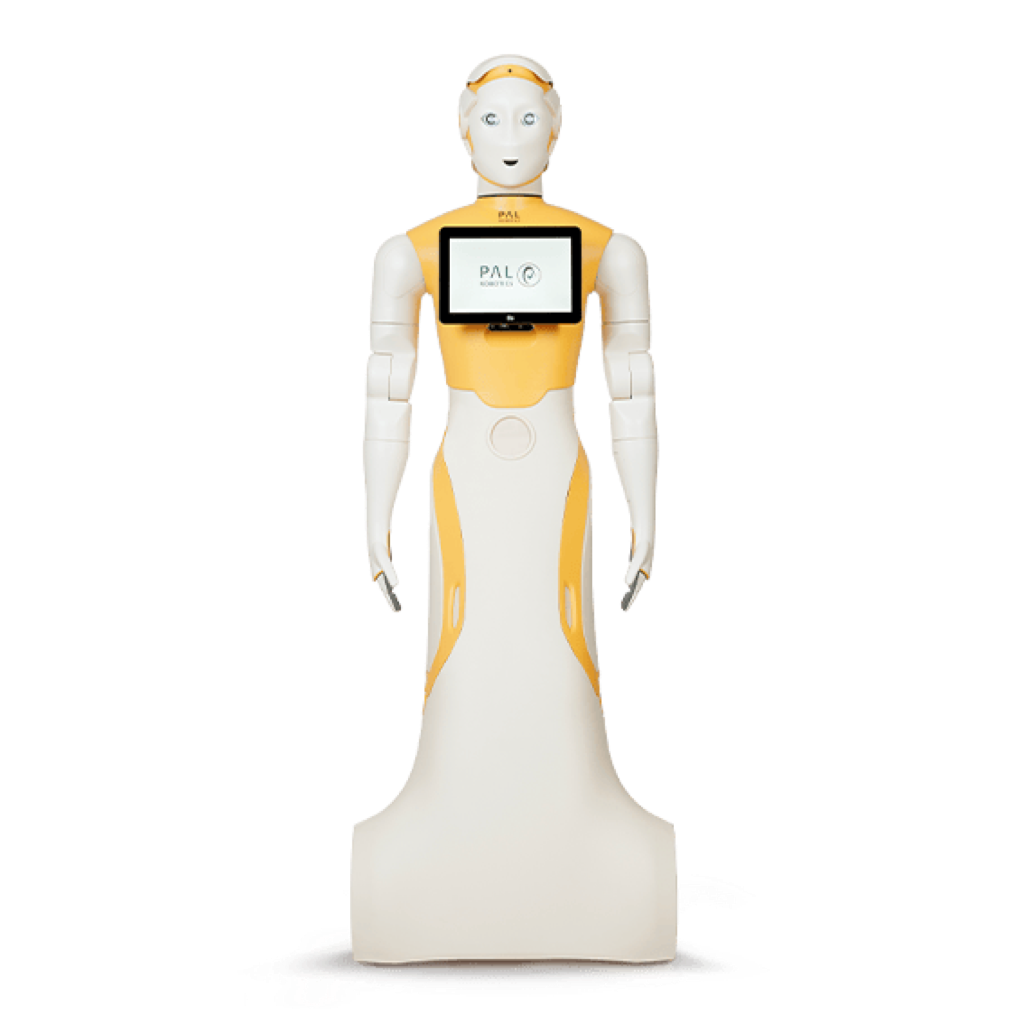 PAL Robotics PAL Robotics ARI | 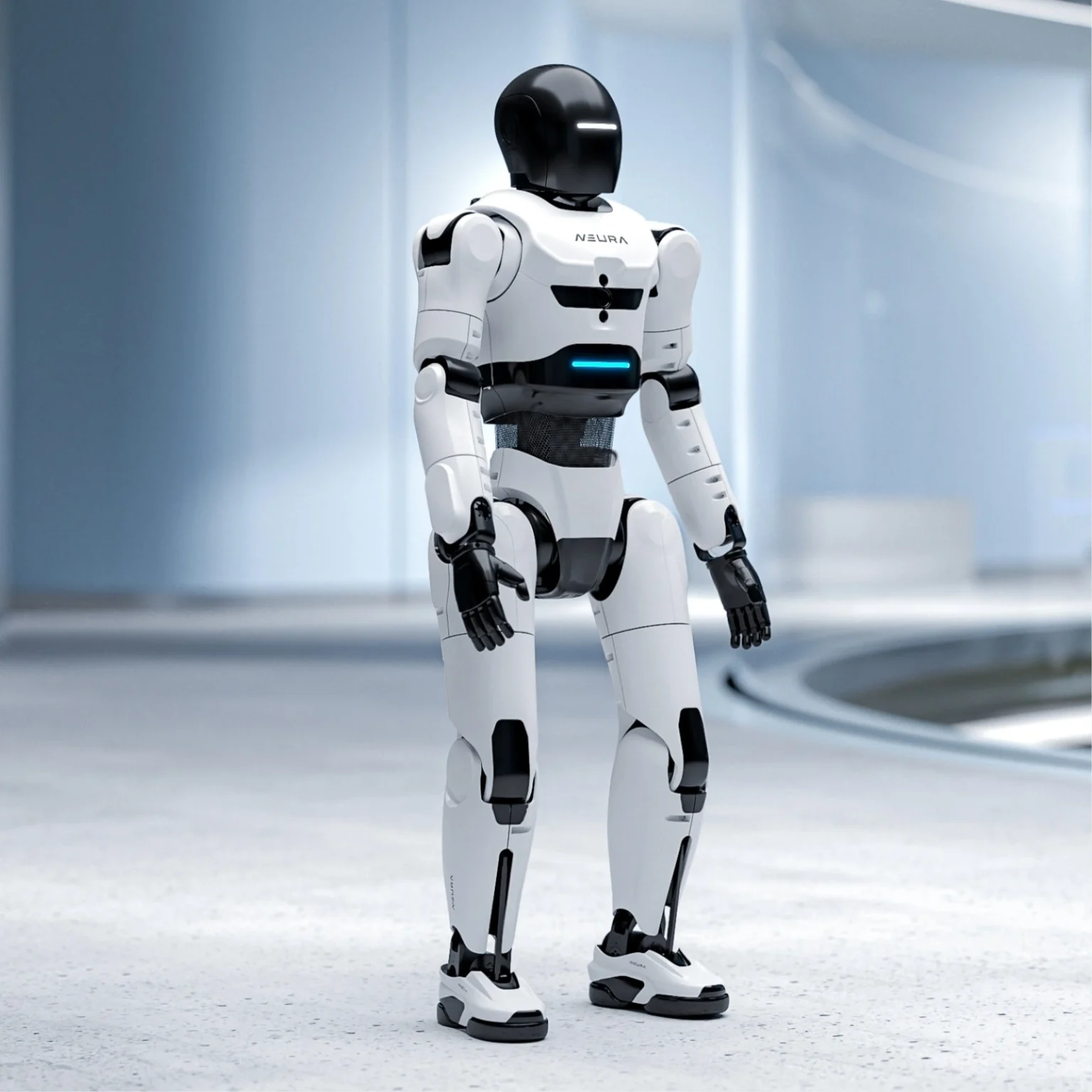 NEURA Robotics NEURA Robotics 4NE-1 | |
|---|---|---|---|---|
| Price (US) | $21,500 – $34,800 | $99,999 – $145,000 | $35,000 – $90,000 | $65,000 – $105,000 |
| Availability | Reservations open | On the market | On the market | Reservations open |
| Height | 132 cm | 1.67 m | 1.65 m | 180 cm |
| Payload | 3 kg | ~5 kg | ~0.5 kg per arm | Arms rated ~20 kg; up to 100 kg lifting in leg-supported/full-body configurations |
| DoF | 25 | Lite | ~12 | Hands |
| Buyer | Individuals | Enterprise | Individuals | Enterprise |
| Made in | Other | Other | Other | Other |
What the NEURA 4NE1 Mini costs — and how to get one
4NE1 Mini Standard €19,999 (~$21.5k), Pro €29,999 (~$34.8k); €100 refundable reservation; deliveries April 2026.
Consumer reservation (€100 refundable)
Leasing / RaaS: unknown
Every spec, grouped & sourced
Tap a group to expand. Values are labelled official vs third-party; unknowns are omitted, not guessed.
Body & movement▾
Power & endurance▾
Hands & senses▾
Brains & control▾
Claims vs evidence
NVIDIA Isaac GR00T plus NEURA 'Aura' AI - same cognitive stack as the full 4NE1
Where it's working
Pre-launch; no verified deployment yet
Intended use cases: Research, education and home assistance - accessible cognitive humanoid for households, labs and classrooms
Should you consider the NEURA 4NE1 Mini?
The 4NE1 Mini is a smart, accessible entry into humanoid robotics for labs, classrooms and enthusiasts, with a firmer Spring 2026 ship window than most rivals. Go Standard for education, Pro for serious manipulation research, and don't expect it to do your housework.
Score reflects stated criteria (availability, data confidence, US relevance) — not hands-on testing or user ratings. We're an independent review & comparison site; we don't sell robots. *Financing figure is illustrative.
How we know this
Data confidence 55/100 · last verified 2026-06-30. Specs are labelled official vs third-party and dated; unknowns are omitted, not guessed.
NEURA 4NE1 Mini — your questions, answered in full
How much is the NEURA 4NE1 Mini?+
The Standard is €19,999 (~$21,500) and the Pro is €29,999 (~$34,800), each with a €100 fully refundable reservation deposit.
What's the difference between the Mini Standard and Pro?+
The Pro adds dexterous hands with 12 degrees of freedom plus developer extras like C++ SDK access and teleoperation tools. The Standard is geared toward education and interaction.
When will the 4NE1 Mini be delivered?+
NEURA says Mini units ship in Spring 2026, with April 2026 cited specifically. It's one of the firmer timelines in NEURA's lineup, though windows can still slip.
How big is the 4NE1 Mini?+
It stands 1.32 m tall, weighs about 36 kg, and handles a payload of up to 3 kg, notably smaller and lighter than a full-size humanoid.
Is the 4NE1 Mini a home helper robot?+
NEURA lists home assistance among its uses, but it's primarily a research and education platform. For a dedicated home-and-care robot, NEURA's MiPA is the intended product.
Does the 4NE1 Mini need a human operator?+
The Pro includes teleoperation tools, so some tasks can be human-driven for training or demos, which is standard for a research humanoid. It also runs NEURA's cognitive stack for autonomous interaction.
Is the reservation deposit refundable?+
Yes, the €100 reservation deposit is fully refundable, so getting in line early is low-risk.