NEURA Robotics MiPA Home Robot
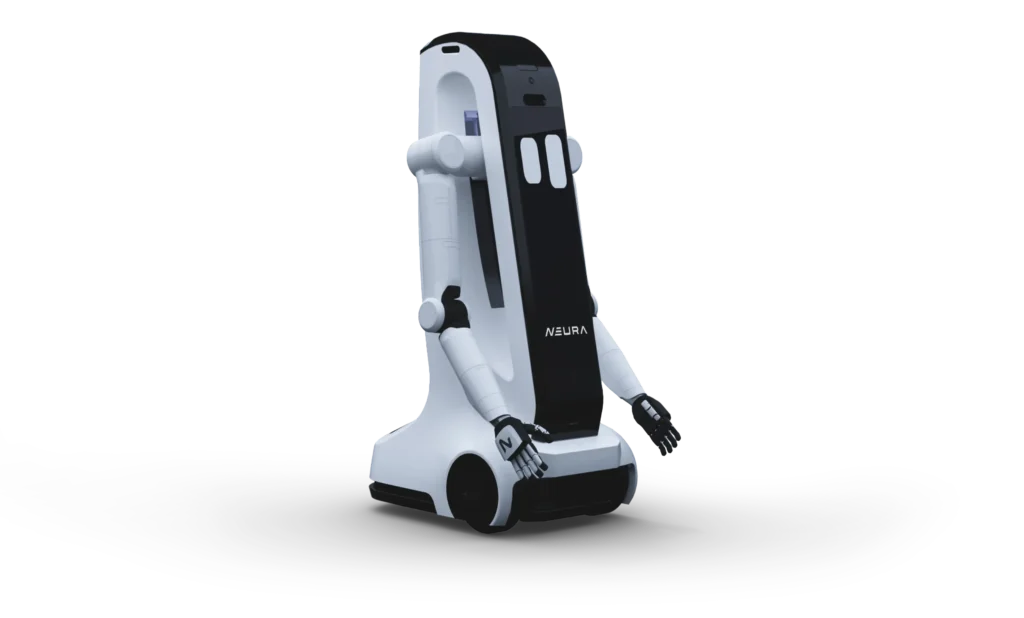
MiPA is NEURA Robotics' AI home and care assistant, announced with a headline price of €9,999 (~$10,800) and a €100 fully refundable reservation. It's not shipping yet, NEURA hasn't confirmed a firm delivery date or which countries get it first, so a reservation is a place in line, not a purchase.
US buyers: MiPA is German-built, so US deliveries face the July 2026 authorization question — reservations are still open.
NEURA is collecting refundable reservations internationally, including from the US, on a small deposit. That is a queue position, not a shipment. A German-made robot needs FCC authorization to be imported and sold in the US, and after 28 July 2026 a new model cannot get one without a Department of War conditional approval. NEURA has not said how it intends to handle this.
European reservations and deliveries proceed normally.
As of 2026-08-30 · medium confidence — verify before you commit funds
What is the NEURA Robotics MiPA Home Robot?
MiPA is the household NEURA robot — the cheap, care-focused sibling to the company's full-size 4NE-1.
NEURA Robotics is one of Germany's most ambitious robotics companies, and MiPA is its play for the home. The idea is a friendly, sensor-rich humanoid that helps around the house and supports elderly or vulnerable people, and it's priced far below what you'd expect for something in this category.
That €9,999 number is what's got people talking. It's aggressive, almost suspiciously so for a home humanoid, and it's the introductory price for the MiPA Home model aimed at private households. There's a catch though, and it's the same catch that applies to most robots at this stage: it isn't in anyone's living room yet.
Below we break down what MiPA is meant to do, what the reservation actually buys you, and the honest unknowns you should weigh before handing over even a refundable deposit.
What is the NEURA MiPA?
MiPA is an AI-powered personal assistant robot designed for home, care and workplace settings. NEURA frames it around household help and eldercare, tasks like unloading the dishwasher, health monitoring, reminders, and light logistics around the house.
What sets it apart on paper is the sensor stack. MiPA is described with force-torque sensing, LiDAR, cameras and ultrasonic sensors, a combination meant to enable safe, touchless human detection and real-time obstacle avoidance. In a home with kids or older adults, that safety focus is arguably more important than raw strength or speed.
The positioning is squarely "companion and helper" rather than "factory worker." NEURA wants MiPA to feel approachable and safe to be around, which is a different design goal than the industrial humanoids dominating headlines.
How much does the NEURA MiPA cost?
The announced introductory price is €9,999 (roughly $10,800), and that figure applies specifically to the MiPA Home model for private households.
To reserve one you put down €100, which NEURA says is fully refundable. That deposit doesn't lock the final price in stone for every market, and some third-party estimates have floated a real-world range closer to $15,000-$25,000 once you account for configuration, region and support. Treat those higher numbers as unofficial estimates, not confirmed pricing.
So the honest read: €9,999 is the number NEURA is advertising, and it's genuinely low for a home humanoid, but until units actually ship and invoices land, the effective price you'll pay is still a little uncertain.
When will MiPA be released and where?
This is the weakest part of the story, and you should know it going in. As of 2026, NEURA is accepting reservations but has not published a confirmed shipping timeline or a firm list of supported countries.
That means MiPA is firmly in the "announced and reservable" bucket rather than the "available to buy" one. A €100 deposit gets you an early spot in the queue and, presumably, first access when deliveries begin, but the actual start date is unconfirmed.
If you're in the US specifically, take extra care: NEURA is a German company and initial rollouts for European robotics products often prioritise the home market first. Don't assume day-one US availability until NEURA states it plainly.
How does MiPA work and how autonomous is it?
MiPA sits within NEURA's broader "cognitive robotics" approach, the company's whole pitch is robots that combine perception, learning and human-safe interaction. The onboard sensors (LiDAR, cameras, ultrasonic, force-torque) feed a system meant to navigate a home safely and respond to people without contact-based collisions.
For everyday tasks like reminders, monitoring and simple object handling, the goal is meaningful autonomy in a controlled home environment. That said, NEURA hasn't published independent, real-world autonomy benchmarks that we'd repeat as fact, so how well it performs unscripted chores remains to be proven.
As with every home humanoid in this era, be a little skeptical of polished demo footage. Reliable, hands-off help with messy real chores is the hardest problem in robotics, and no one has fully cracked it yet.
NEURA MiPA vs 4NE1 Mini and other home robots
Within NEURA's own lineup, MiPA and the 4NE1 Mini serve different buyers. MiPA is the home-and-care companion at a headline €9,999; the 4NE1 Mini is more of a research, education and developer platform starting at €19,999. If you want a household helper, MiPA is the intended product.
Against rivals like UBTech's U1 companion or various Chinese eldercare humanoids, MiPA's advantage is its European engineering pedigree and that low advertised price. Its disadvantage is the same as everyone's, nothing here is proven at scale in real homes yet.
If price alone decides it, MiPA looks like one of the cheapest routes into a home humanoid. Just remember the €9,999 tag is an introductory figure, and delivery certainty is where these products live or die.
Is MiPA worth reserving and who is it for?
MiPA is aimed at households, especially families supporting an elderly or less-mobile relative, plus early adopters who want a home humanoid without a five-figure industrial price tag.
Because the reservation deposit is only €100 and refundable, the downside of getting in line is genuinely small. If you like NEURA's vision and want early access, reserving is low-risk. What you shouldn't do is plan your household around it arriving on a specific date, that date doesn't exist yet.
Our take: a reasonable, low-stakes reservation for optimists and caregivers, but not something to count on until NEURA confirms real shipping dates and your country is on the list.
The NEURA MiPA on video
Hands-on reviews and teardowns, picked for what they actually show rather than how loud the thumbnail is.
NEURA's introduction to MiPA, the wheeled service platform that sits below 4NE-1 in the range
Places MiPA in NEURA's full product family, which is hard to work out from the marketing alone
Who the NEURA MiPA is — and isn't — for
+Where it shines
- You can actually buy or reserve it as an individual, at a consumer price.
- Among the most affordable humanoids on the market right now.
- Open developer access (SDK/API) — good for builders and labs.
- Stated real-world payload (5 kg per arm; ~15 kg deadlift).
!Watch-outs
- Some demos rely on teleoperation, not full autonomy.
- Public data is thin; verify key figures before relying on them.
How the NEURA MiPA stacks up
Side by side with similar robots — the one you're reading about is highlighted.
| This robot NEURA Robotics NEURA MiPA | PNDbotics PNDbotics Adam | 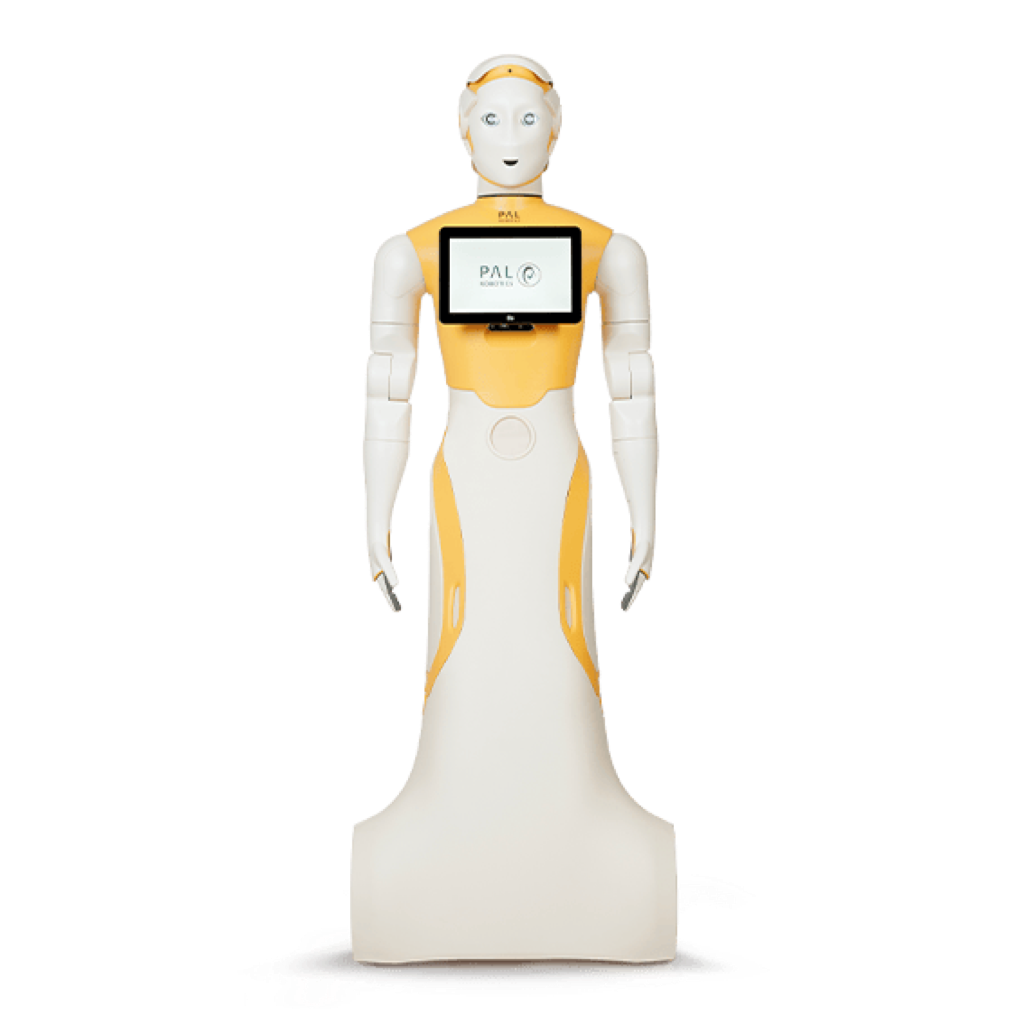 PAL Robotics PAL Robotics ARI | 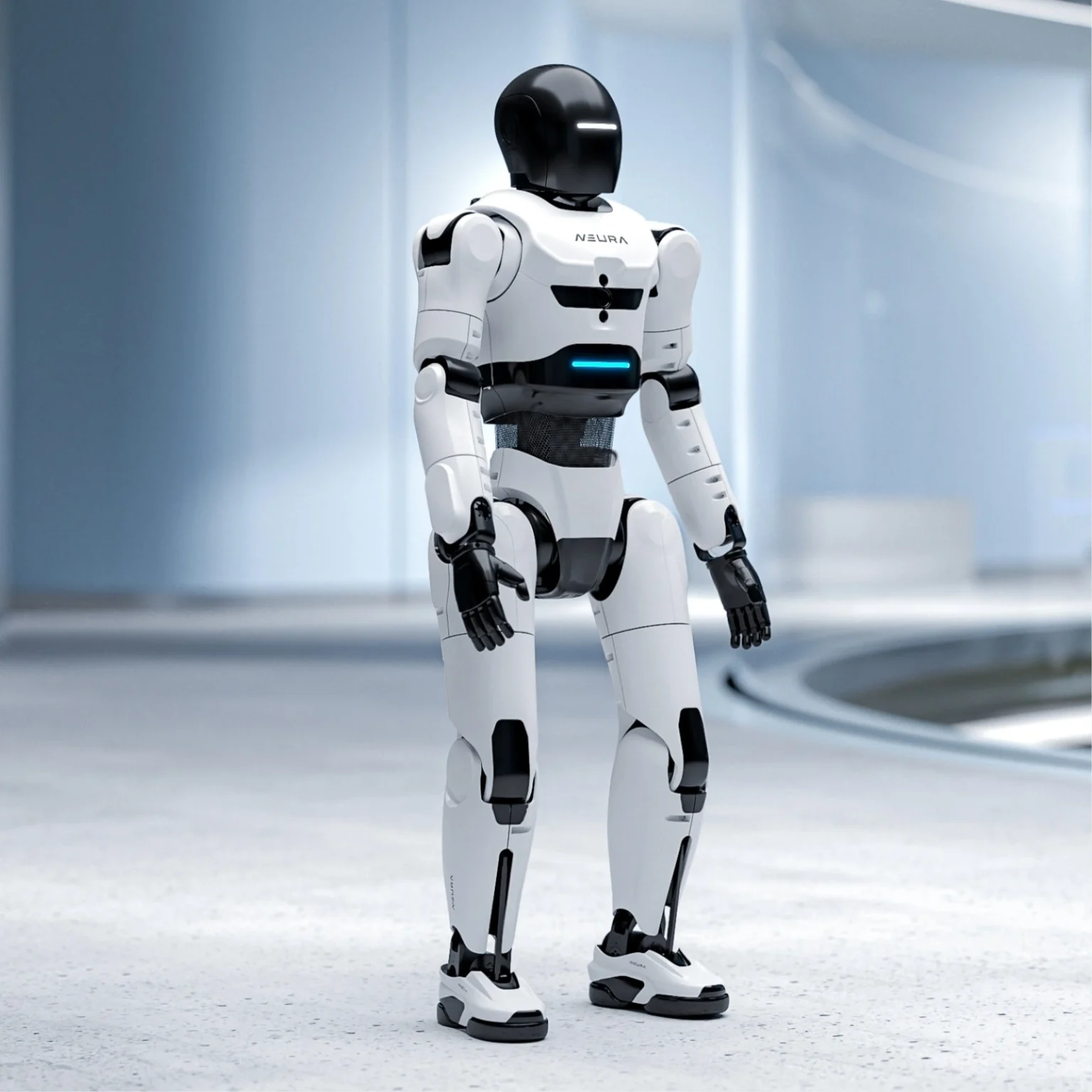 NEURA Robotics NEURA Robotics 4NE-1 | |
|---|---|---|---|---|
| Price (US) | ~$10,800 | $99,999 – $145,000 | $35,000 – $90,000 | $65,000 – $105,000 |
| Availability | Reservations open | On the market | On the market | Reservations open |
| Height | Unknown | 1.67 m | 1.65 m | 180 cm |
| Payload | 5 kg per arm; ~15 kg deadlift | ~5 kg | ~0.5 kg per arm | Arms rated ~20 kg; up to 100 kg lifting in leg-supported/full-body configurations |
| DoF | Unknown | Lite | ~12 | Hands |
| Buyer | Individuals | Enterprise | Individuals | Enterprise |
| Made in | Other | Other | Other | Other |
What the NEURA MiPA costs — and how to get one
MiPA Home announced ~€9,999 (~$10,800) with €100 refundable reservation; third-party estimates $15k-$25k.
Consumer reservation (€100 refundable) for private households
Leasing / RaaS: unknown
Every spec, grouped & sourced
Tap a group to expand. Values are labelled official vs third-party; unknowns are omitted, not guessed.
Body & movement▾
Power & endurance▾
Hands & senses▾
Brains & control▾
Claims vs evidence
NEURA 'Aura' AI; claims to learn tasks autonomously; autonomous control plus multi-language voice, gesture and app control
Where it's working
CES 2026 demos (dishwasher unloading, health monitoring); no verified consumer deployment yet
Intended use cases: Home assistance and elderly care: household tasks (dishwasher unloading), health monitoring, reminders, light logistics, workplace support
Should you consider the NEURA MiPA?
MiPA is one of the most affordable home-and-care humanoids on paper at €9,999, and the €100 refundable reservation makes getting in line low-risk. Just go in clear-eyed: there's no confirmed ship date or country list yet, so reserve out of optimism, not as a firm plan.
Score reflects stated criteria (availability, data confidence, US relevance) — not hands-on testing or user ratings. We're an independent review & comparison site; we don't sell robots. *Financing figure is illustrative.
How we know this
Data confidence 58/100 · last verified 2026-06-30. Specs are labelled official vs third-party and dated; unknowns are omitted, not guessed.
NEURA MiPA — your questions, answered in full
How much does the NEURA MiPA cost?+
The announced introductory price is €9,999 (~$10,800) for the MiPA Home model, with a €100 fully refundable reservation deposit. Some third-party estimates suggest a real-world range of $15,000-$25,000, but those are unofficial.
Can I buy MiPA now, or only reserve it?+
Only reserve. NEURA is accepting €100 refundable reservations, but MiPA is not yet shipping and there's no confirmed on-sale date.
When will MiPA be delivered?+
NEURA has not published a confirmed shipping timeline. A reservation secures an early spot in the queue, but the actual delivery date is unconfirmed.
Is the €100 reservation refundable?+
Yes. NEURA states the €100 reservation deposit is fully refundable, which keeps the risk of getting in line quite low.
Will MiPA be available in the US?+
NEURA hasn't confirmed which countries get MiPA first. As a German company, it may prioritise Europe initially, so US buyers should treat availability as unconfirmed for now.
What can MiPA actually do?+
It's designed for home and care tasks, household help like dishwasher unloading, health monitoring, reminders and light logistics, with a strong emphasis on safe, touchless human detection.
What sensors does MiPA have?+
It's described with force-torque sensors, LiDAR, cameras and ultrasonic sensors, which together enable obstacle avoidance and safe human detection in a home.
Is MiPA fully autonomous?+
It's built around NEURA's cognitive robotics stack for autonomous navigation and interaction, but there are no independent real-world autonomy benchmarks yet, so treat performance claims cautiously.