Nori A3 Home Humanoid Robot
The Nori A3 is a $1,688 two-armed household robot from San Francisco startup Nori Robotics. It rides on a wheeled base with a telescoping column that reaches from 69 cm to 145 cm, carries 19 degrees of freedom, runs 6-8 hours per charge, and learns tasks you train yourself in a desktop app. First units shipped in July 2026; a limited second batch delivers in autumn 2026.
US buyers: built in San Francisco and unaffected by the July 2026 authorization rule.
Nori assembles the A3 in San Francisco and has been shipping since July 2026, so it sits outside the foreign-produced category the FCC added to the Covered List. Worth knowing that final assembly is domestic while most components are sourced overseas — that matters for the Buy American test, and Nori has not published its domestic content share.
No published distribution outside the US as of 30 Aug 2026.
As of 2026-08-30 · medium confidence — verify before you commit funds
What is the Nori A3 Home Humanoid Robot?
The A3 is the home humanoid priced like a laptop rather than a lab machine, and built in the US.
Almost every humanoid robot in this catalogue costs more than a car. The Nori A3 costs less than a decent laptop and a phone together - $1,688 - and it is not a toy, a kit, or a crowdfunding render. Units have been leaving a San Francisco workshop since July 2026.
It got a wave of attention when Forbes covered it on 18 August 2026 under the headline that it was American-made and shipping this autumn. The framing landed hard in a market where roughly half the interesting humanoids come out of Shenzhen and, since 30 July 2026, face new US import restrictions.
The catch, and there is one, is in the shape. The A3 is not a walking humanoid. It is a bimanual mobile manipulator: two arms and a head on a lifting column, on wheels. Whether that disappoints you depends entirely on what you wanted it for.
What the Nori A3 actually is
Physically: a 45 x 45 cm wheeled base carrying a three-stage telescoping column, with two arms and a sensor head on top. The column travels from 69 cm to 145 cm, which is deliberately chosen - the bottom of that range reaches floor level and the top reaches a standard kitchen counter. Total mass is 20.4 kg, light enough that one person can move it.
The arms are 55 cm each with 7+1 degrees of freedom apiece - seven for the arm, one for the gripper. Across the whole machine that adds to 19 DOF including the column and the head articulation.
Payload is the number that surprises people in both directions. Each arm manages 1.5 kg at full extension, which is modest, about a full mug of coffee. But the lifting column itself is rated to 55 kg vertically, so the machine can hold a heavy load close in and raise it. The company's own technical write-up frames the A3 as costing roughly a fifth of the parts cost of the cheapest comparable research platform.
Sensing, compute and how it learns
Perception is deliberately cheap and deliberately sufficient. A lidar unit gives 12 m of scanning range for navigation. Four 720p RGB cameras cover head, neck and one inside each gripper - the in-gripper view is the interesting one, because it is what lets a low-cost arm close on an object it can actually see. A microphone and speaker handle voice commands.
There is no force-torque sensor in the grippers. Instead Nori estimates grip force from servo current registers, which is a classic cost-down trick and works well enough for kitchen objects while being obviously less precise than real load cells. The engineering write-up also describes a two-tier thermal interlock that stops commodity servos from burning themselves out under sustained load, which is the kind of unglamorous detail that decides whether a cheap robot survives a year.
Skills are trained by the owner in a laptop app called Nori Lab, then shared or downloaded through a Skill Marketplace - effectively an app store for robot behaviours.
What it can and can't do around the house
Demonstrated tasks: pulling food out of a fridge, pouring a drink, loading a dishwasher, folding laundry. Those are real demos, not renders, and they line up with what the hardware suggests - light objects, known locations, flat floors.
What it cannot do is anything that needs stairs, anything that needs to reach above about 145 cm, anything heavier than 1.5 kg held out at arm's length, or anything on a floor cluttered enough to strand a wheeled base. It has no legs. That is not a criticism, wheels are cheaper, safer and more stable, but it does bound the job.
The deeper limit is autonomy. There is no claim here of general household competence. The A3 does what you or another owner has trained it to do, in the environment it was trained in. That model is honest and it is also a lot of work for the owner, at least early on, before the marketplace fills up.
Price, batches and what 'made in San Francisco' means
$1,688, as of 30 August 2026. No subscription or software fee has been announced.
On manufacturing: the robots are assembled in San Francisco, and most components are sourced overseas. Both halves of that sentence are true and both matter. It is not a rebadged import; it is also not a US supply chain. In a year when the US restricted new Chinese humanoid imports on 30 July 2026, final assembly in California is a meaningful commercial position - just not the same thing as domestic manufacture.
Availability runs in batches. The first batch shipped from July 2026 and sold out quickly. A limited second batch is delivering in autumn 2026. Buying a first- or second-batch unit of anything from a young hardware company carries the usual risks: firmware in flux, thin spare-parts supply, and a support function that is probably a handful of people.
Nori A3 vs the cheap humanoid competition
The natural comparison is the Unitree R1 at $4,900, which is the price benchmark most people carry around. The R1 is a genuine bipedal humanoid that runs and does cartwheels, and it has no dexterous manipulation to speak of. The A3 is roughly a third of the price, cannot walk at all, and is built entirely around picking things up.
Against research-grade bimanual platforms - the class Nori is undercutting - the comparison is starker still. Those machines start in the tens of thousands. The A3's own pitch is that it recovers in software the capability normally purchased with expensive hardware, which is a real strategy and a real gamble.
So the honest framing is: this is not a cheap humanoid. It is a cheap pair of robot arms that can move around your kitchen. If manipulation is what you wanted, that's the better deal. If you wanted a machine that walks, it isn't the product.
Who should buy one
Three groups, plausibly. Hobbyists and makers who want a real mobile manipulator on a hobby budget and are happy to train their own skills - this is by some distance the cheapest way in. Educators and small research groups who need several units rather than one expensive one; at $1,688 a class set is actually conceivable. And early-adopter households with tolerance for a robot that needs teaching.
Who should not: anyone expecting it to be autonomously useful out of the box, anyone with a multi-storey home and no lift for it, and anyone who needs vendor support with an SLA behind it.
One more caveat worth stating. Nori Robotics is a small company founded by Antonio Sitong Li, and the A3 is early. The specs are unusually well documented for a startup at this stage, which is a good sign. Long-term durability, though, is unknown - by definition, the oldest units in the field are about two months old.
The Nori A3 on video
Hands-on reviews and teardowns, picked for what they actually show rather than how loud the thumbnail is.
A journalist working through what an appliance-priced bimanual manipulator can and cannot be expected to do.
Goes through the published spec sheet in detail — the price, the arms, and the wheeled base people keep missing.
Who the Nori A3 is — and isn't — for
+Where it shines
- Stated real-world payload (1.5 kg per arm at full extension; the lifting column itself is rated to 55 kg).
!Watch-outs
- Sold to businesses only — not to private buyers.
- Public data is thin; verify key figures before relying on them.
How the Nori A3 stacks up
Side by side with similar robots — the one you're reading about is highlighted.
| This robot Nori Robotics Nori A3 | PNDbotics PNDbotics Adam | 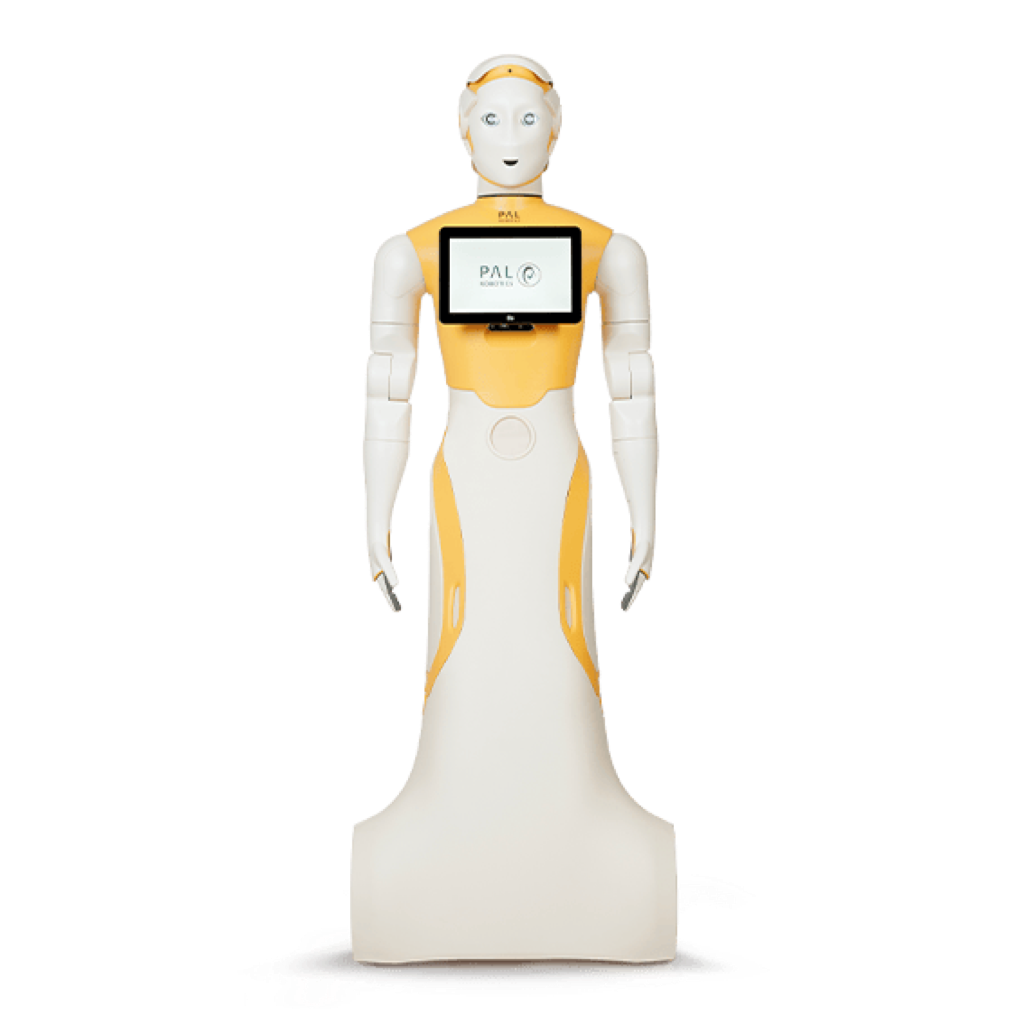 PAL Robotics PAL Robotics ARI | 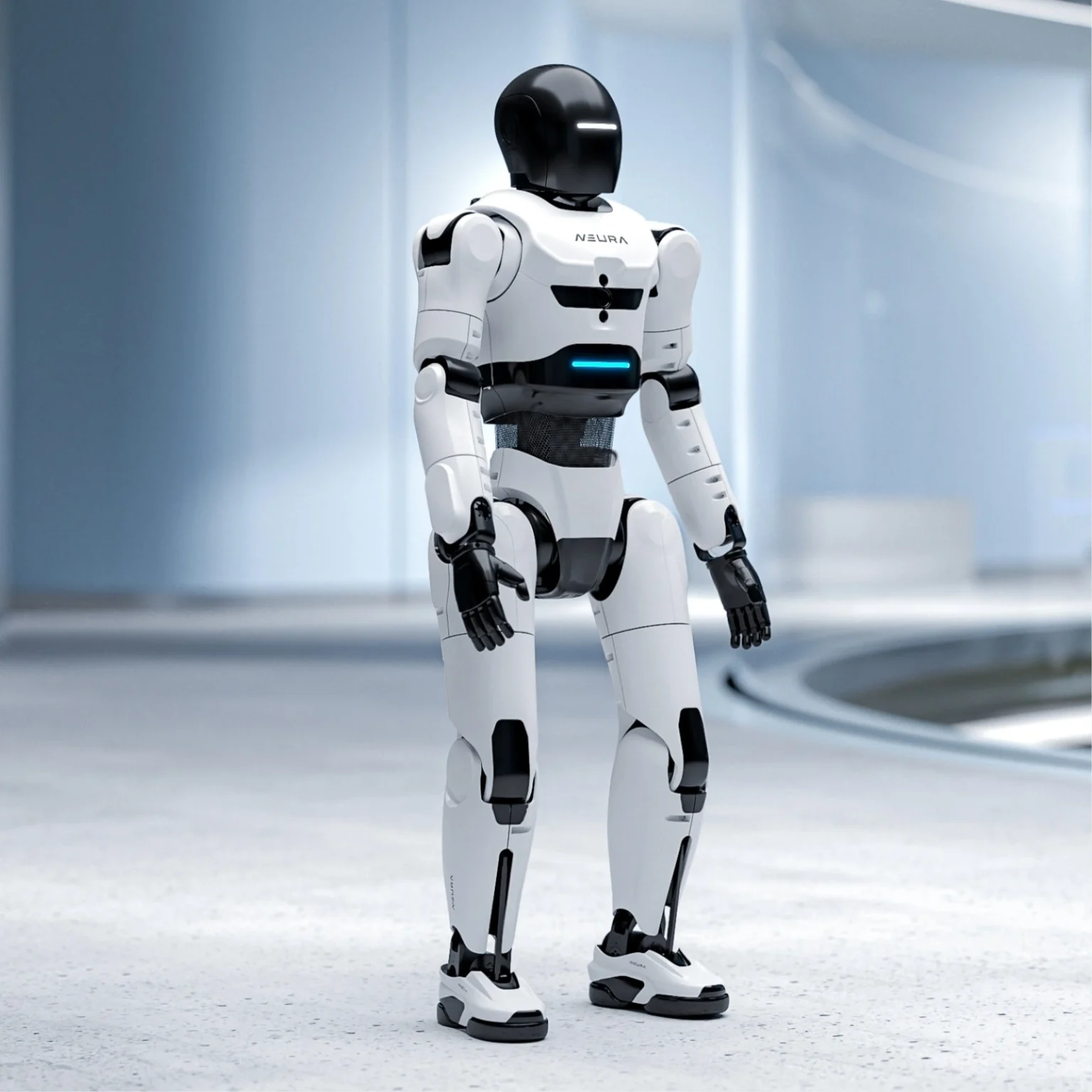 NEURA Robotics NEURA Robotics 4NE-1 | |
|---|---|---|---|---|
| Price (US) | $1,688 | $99,999 – $145,000 | $35,000 – $90,000 | $65,000 – $105,000 |
| Availability | Available to order | On the market | On the market | Reservations open |
| Height | Adjustable 69 cm to 145 cm via a three-stage telescoping column; 45 x 45 cm base footprint | 1.67 m | 1.65 m | 180 cm |
| Payload | 1.5 kg per arm at full extension; the lifting column itself is rated to 55 kg | ~5 kg | ~0.5 kg per arm | Arms rated ~20 kg; up to 100 kg lifting in leg-supported/full-body configurations |
| DoF | 19 | Lite | ~12 | Hands |
| Buyer | Enterprise | Enterprise | Individuals | Enterprise |
| Made in | Other | Other | Other | Other |
What the Nori A3 costs — and how to get one
Direct consumer pre-order; first batch sold out, second batch limited
Leasing / RaaS: unknown - no lease or subscription programme announced
Every spec, grouped & sourced
Tap a group to expand. Values are labelled official vs third-party; unknowns are omitted, not guessed.
Body & movement▾
Power & endurance▾
Hands & senses▾
Brains & control▾
Claims vs evidence
Voice commands plus user-trained skills. Nori's stated approach is to recover in software the capability normally bought with expensive hardware; no general household autonomy is claimed
Where it's working
Early consumer units shipped from July 2026; no named institutional deployments
Intended use cases: Household chores - fetching items from a fridge, pouring drinks, loading a dishwasher, folding laundry; also sold as a cheap research platform
Should you consider the Nori A3?
The Nori A3 is the most interesting price point in home robotics right now, provided you understand what you are getting: a competent, well-documented pair of robot arms on a wheeled column, assembled in San Francisco, that does what you teach it. Not a walking humanoid and not autonomous. At $1,688 that is still a remarkable amount of robot - just buy it as a platform, not as a servant.
Score reflects stated criteria (availability, data confidence, US relevance) — not hands-on testing or user ratings. We're an independent review & comparison site; we don't sell robots. *Financing figure is illustrative.
How we know this
Data confidence 58/100 · last verified 2026-08-30. Specs are labelled official vs third-party and dated; unknowns are omitted, not guessed.
Nori A3 — your questions, answered in full
How much does the Nori A3 cost?+
$1,688, as of 30 August 2026. No subscription or ongoing software fee has been announced. The first batch sold out after shipping in July 2026 and a limited second batch is delivering in autumn 2026.
Is the Nori A3 a real humanoid robot?+
It depends on your definition. It has two 7+1 DOF arms and a sensor head, but it rolls on a wheeled base with a telescoping column rather than walking on legs. Nori's own technical description calls it a bimanual mobile manipulator; press coverage has generally called it a humanoid.
How much can the Nori A3 lift?+
1.5 kg per arm at full extension. The telescoping lifting column is separately rated to 55 kg (122 lb) vertically, so a heavy load held close to the body can still be raised. The two figures get conflated a lot in coverage.
How tall is it?+
It varies by design. The three-stage column adjusts the robot between 69 cm and 145 cm, which spans floor level to standard kitchen-counter height. The base footprint is 45 x 45 cm and the whole machine weighs 20.4 kg.
What chores can it actually do?+
Demonstrated tasks include taking food from a fridge, pouring a drink, loading a dishwasher and folding laundry. It only does what has been trained, either by you in the Nori Lab desktop app or by another owner via the Skill Marketplace.
How long does the battery last?+
6 to 8 hours per charge, per the manufacturer. That is a working-day figure rather than a continuous-heavy-use figure, and no independent runtime testing has been published as of 30 August 2026.
Is the Nori A3 made in America?+
It is assembled in San Francisco, and most of its components are sourced overseas. That distinction matters: final assembly is domestic, the supply chain largely isn't. It is still a US-built product in a market where the US restricted new Chinese humanoid imports from 30 July 2026.
What is the Skill Marketplace?+
An app-store-style repository where A3 owners publish tasks they have trained and download tasks trained by others. It is central to the product's logic - the hardware is cheap, so capability is expected to accumulate socially rather than ship in the box.