Sunday Robotics Memo
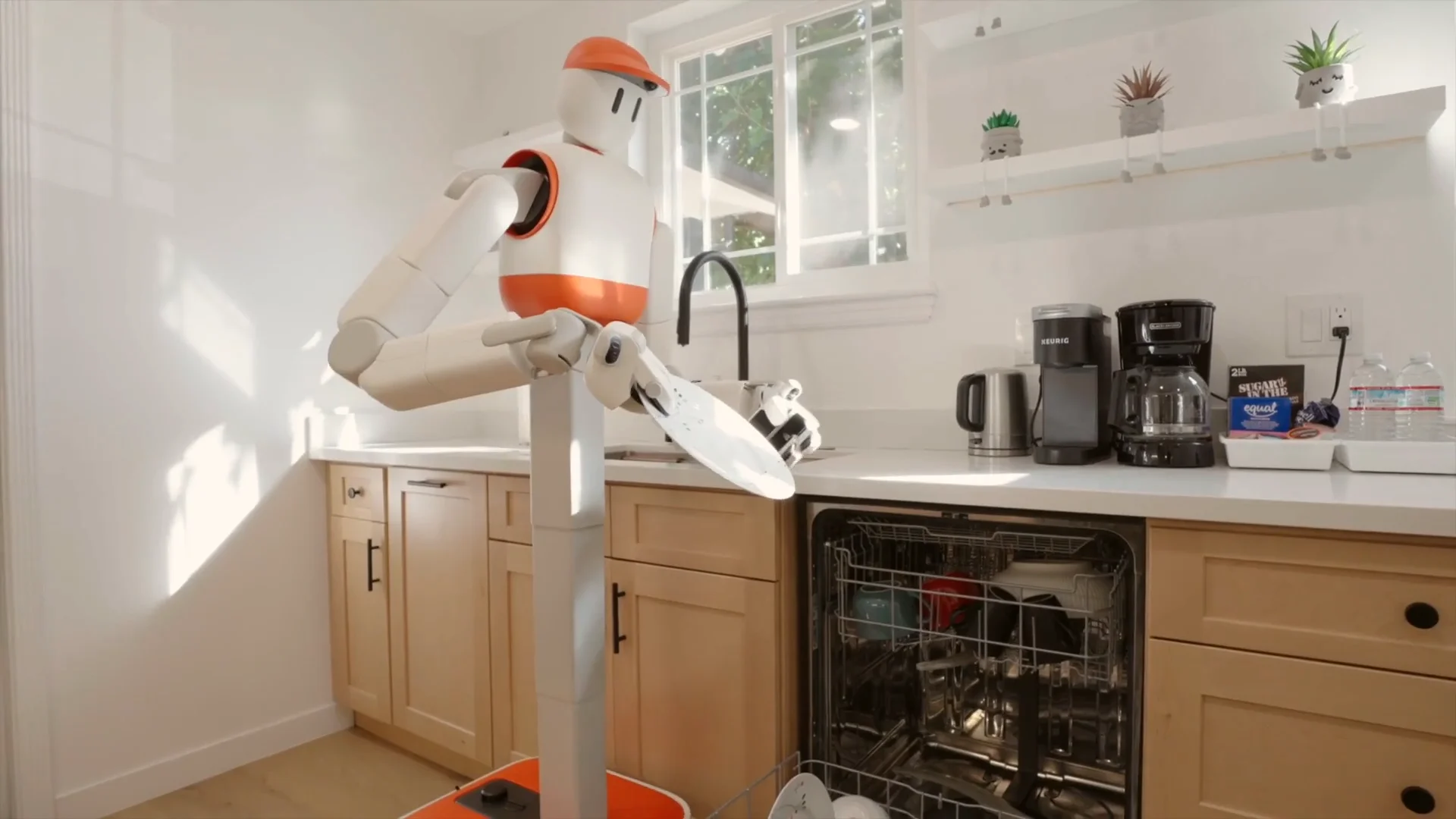
Memo is a wheeled home robot from Sunday Robotics, a well-funded US startup that raised $165M at a $1.15B valuation in 2026. It's designed for real household chores like clearing tables, folding laundry and loading dishwashers, and learns from human demonstrations captured with a special glove. Memo is currently invite-only, with a 2026 'Founding Family' beta of about 50 households, no public price, and a stated goal of a sub-$10k retail robot down the line.
US buyers: unaffected by the July 2026 import restriction — Sunday Robotics is a US company.
Memo is outside the foreign-produced category, so nothing changed for it in July. What limits you is the company's own gate: access has been invite-only beta rather than public purchase, with no published price or ship date.
No international availability announced.
As of 2026-08-30 · medium confidence — verify before you commit funds
What is the Sunday Robotics Memo?
Memo is the Sunday Robotics machine — a wheeled home robot still behind an invite list rather than a checkout page.
Sunday Robotics came out of stealth with an unusually grounded pitch: instead of a flashy walking humanoid, Memo is a wheeled robot that focuses on actually learning your home. And the money backs the ambition, Sunday raised $165 million at a $1.15 billion valuation in early 2026.
Memo's whole design philosophy is stability over spectacle. It skips two-legged walking in favour of a low center of gravity and a wheeled base, then uses two long-reaching arms to do the chores people actually hate, clearing the table, folding laundry, loading the dishwasher.
It's early though. Memo is invite-only, heading into a small beta, and there's no retail price yet. This page lays out what's confirmed, what's still a target, and who should be paying attention.
What is the Sunday Robotics Memo?
Memo is a home robot standing about 1.7 meters tall on a wheeled base, with a torso and two multi-DoF arms ending in dual grippers. Rather than mimic the human body, Sunday gave it a low center of gravity and a stable wheelbase for safety and reliability indoors.
What's clever is the reach. Memo can lower itself to touch the floor and extend up to around 2.1 meters (7 feet), which covers everything from picking things off the ground to reaching a high shelf, without the balance risks of a bipedal machine.
So it's a wheeled mobile manipulator built specifically for the household, not a humanoid trying to walk like us. Sunday clearly decided that for chores, stability beats a human silhouette.
What can Memo do?
Memo targets the routine chores that fill up everyone's week: clearing tables, loading the dishwasher, folding laundry and even operating an espresso machine. These are the repetitive tasks Sunday thinks a home robot should own.
The capability comes from data. Sunday says Memo's models were trained on roughly 10 million episodes of genuine household routines, which the company frames as an unusually large and diverse pool of real-world in-home data.
It's a promising list. Just remember these are the company's own claims from a pre-commercial product, there isn't independent, third-party verification yet of how consistently Memo nails these chores in a stranger's messy kitchen.
How does Memo learn and how autonomous is it?
Memo's standout idea is how it's taught. Sunday uses a proprietary Skill Capture Glove, reportedly around $200 to make, that lets people record real household tasks by simply doing them by hand. Those demonstrations become training data for Memo's machine-learned policies.
The goal is genuine autonomy, Memo running learned policies to complete chores on its own rather than being joysticked. That's the whole premise, and the glove approach is a genuinely smart way to gather lots of realistic training data cheaply.
Still, honesty matters here: this is a beta-stage system. Real autonomous reliability in unpredictable homes is the hardest problem in robotics, and Memo hasn't yet proven it at scale outside controlled settings. The beta exists precisely to test that.
How much will Memo cost and when can you get one?
There's no public retail price yet. Sunday has said that building a single Memo by hand currently costs about $20,000, and it's openly targeting a future retail price under $10,000 once it can manufacture at scale, potentially landing in a $5,000 to $10,000 range.
Access right now is invite-only. Sunday is taking applications for a 2026 'Founding Family' beta, where roughly 50 households get individually numbered units, with beta deliveries beginning in late 2026. Wider retail availability is a later goal, generally pointed toward the 2027-2028 window.
So you can't just buy a Memo. You can apply for the beta and wait, and every price figure above is a target or a build cost, not a confirmed sticker price.
Memo vs Tesla Optimus: how do they differ?
Memo and Tesla's Optimus both chase the home-chore dream, but they take opposite hardware bets. Optimus is a full bipedal humanoid designed to walk and look human, while Memo deliberately uses a wheeled base and a low center of gravity for stability.
Sunday's argument is basically that for household work, wheels and reach beat legs, you avoid the enormous difficulty and safety concerns of bipedal balance, and you still get a robot that can reach the floor or a high shelf. Memo's glove-based training data pipeline is another point of difference.
Both are pre-commercial and unproven in everyday homes. But Memo's more pragmatic form factor and its lower cost target make it an interesting, less hype-driven alternative to the humanoid crowd.
Is Memo worth waiting for and who is it for?
Memo is one of the more credible home-robot bets out there, a serious team, real funding, a sensible wheeled design, and a genuinely clever training approach. If Sunday hits its sub-$10k target with reliable chore performance, it could be a big deal for regular households.
Right now, though, it's for early adopters and the tech-curious who are happy to apply for a beta and accept the rough edges of pre-release hardware. It is not something a typical buyer can order and count on today.
My honest take: worth watching very closely and worth applying to the beta if you're the adventurous type, but keep expectations calibrated to 'promising beta', not 'finished robot butler'.
The Sunday Robotics Memo on video
Hands-on reviews and teardowns, picked for what they actually show rather than how loud the thumbnail is.
A named analyst assessing whether Memo's glove-collected training data is really the breakthrough claimed
Three uncut hours of folding — no edit points to hide behind, which is the most useful kind of proof
An hour on the data-collection glove, which explains Sunday's whole approach better than any demo
The launch film that introduced Memo and the ACT-1 policy behind it
Who the Sunday Robotics Memo is — and isn't — for
+Where it shines
- US-built, with local support and supply chain.
!Watch-outs
- Not really on sale yet — availability is research / limited.
- No public list price — you'll need a quote.
- Sold to businesses only — not to private buyers.
How the Sunday Robotics Memo stacks up
Side by side with similar robots — the one you're reading about is highlighted.
| This robot Sunday Robotics Sunday Robotics Memo | 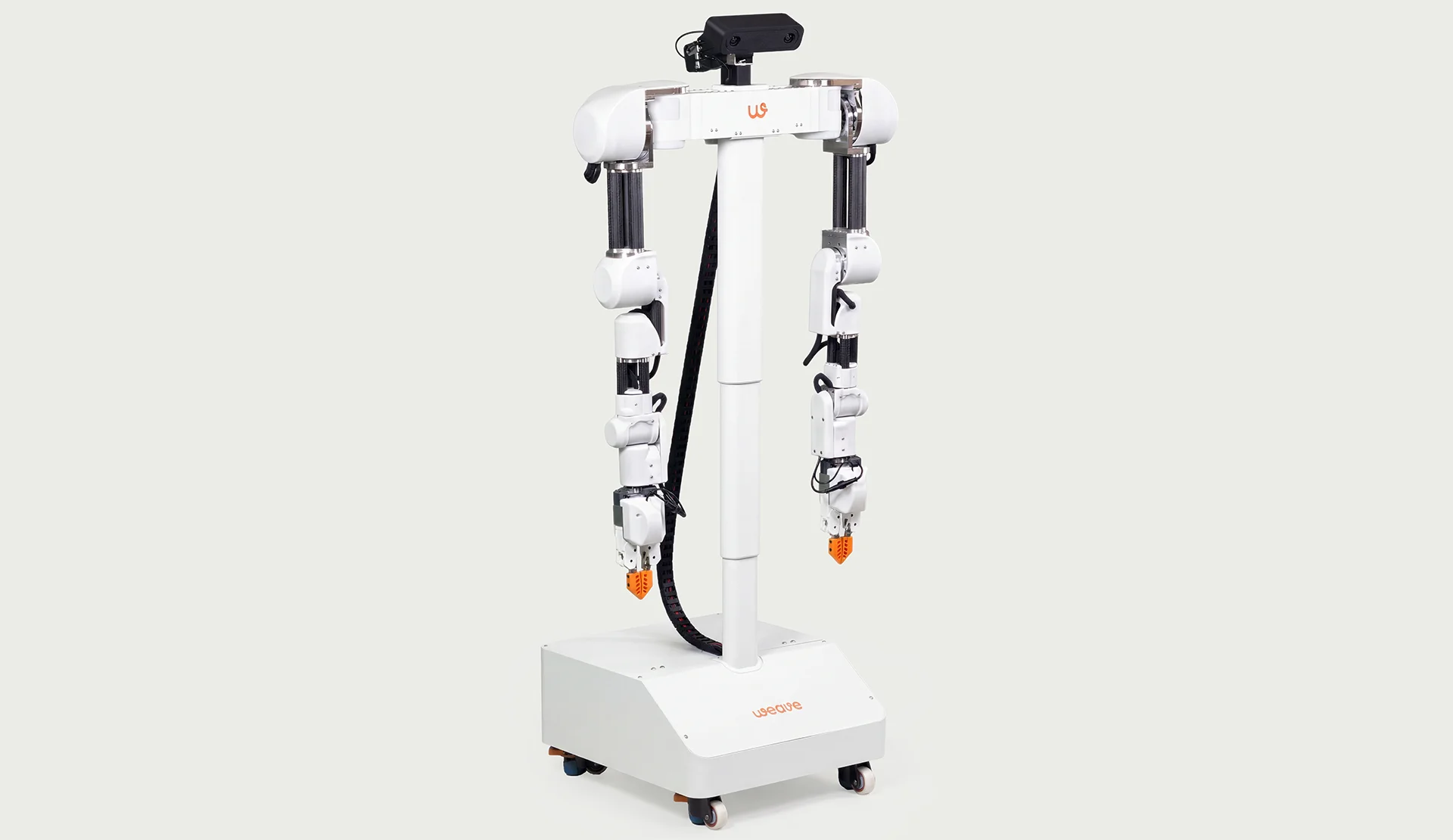 Weave Robotics Weave Isaac | 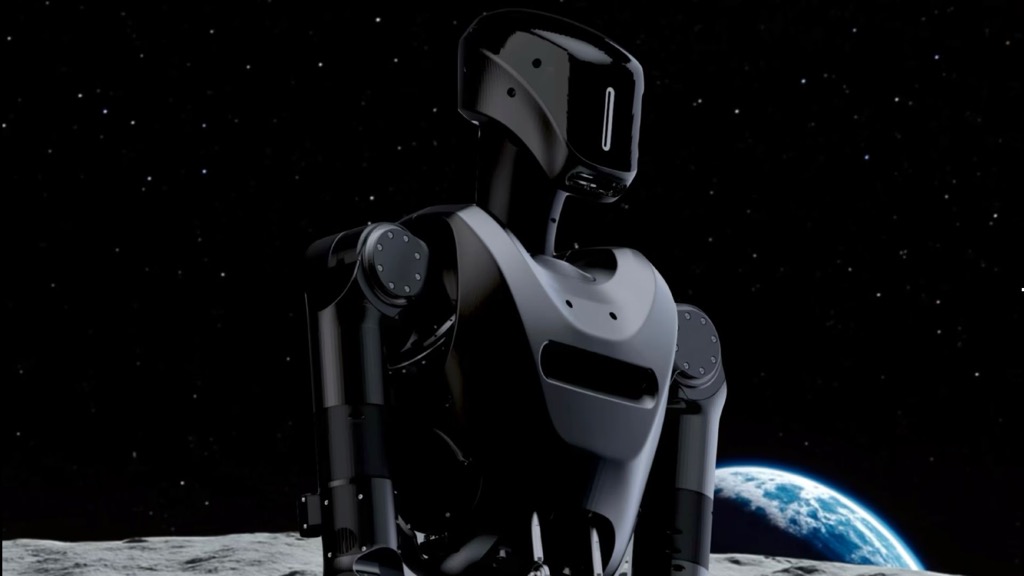 Foundation (Foundation Robotics) Foundation Phantom | 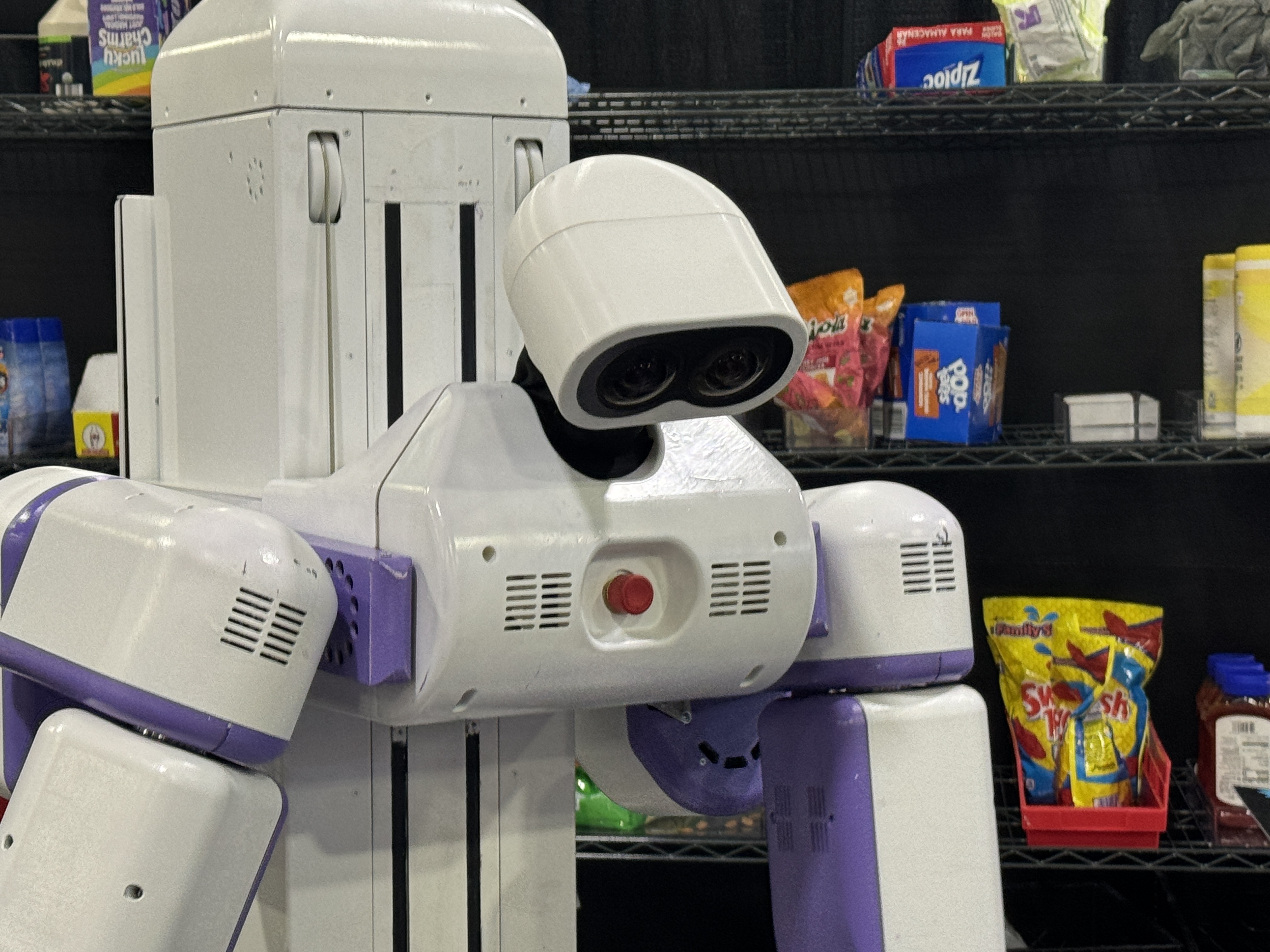 Reflex Robotics Reflex Robot | |
|---|---|---|---|---|
| Price (US) | Price on inquiry | $7,999 – $9,999 | $100,000 – $150,000 | ~$10,000 |
| Availability | Announced | On the market | Lease / RaaS | Pilot programs |
| Height | 1.7 m | Unknown | 1.75 m | Adjustable via spine |
| Payload | Unknown | Unknown | 40 kg dual-arm | 25+ lb/arm |
| DoF | 20+ | Isaac | 29 | Unknown |
| Buyer | Enterprise | Individuals | Enterprise | Enterprise |
| Made in | US | US | US | US |
What the Sunday Robotics Memo costs — and how to get one
Memo: invite-only beta; no public price (~$20k hand-built, sub-$10k retail target); retail 2027-2028.
Free invite-only beta; cannot buy yet
Leasing / RaaS: unknown
Every spec, grouped & sourced
Tap a group to expand. Values are labelled official vs third-party; unknowns are omitted, not guessed.
Body & movement▾
Power & endurance▾
Hands & senses▾
Brains & control▾
Claims vs evidence
Learned manipulation; home task autonomy (early)
Where it's working
Invite-only beta households (late 2026)
Intended use cases: General home chores; wheeled mobile manipulator for the household
Should you consider the Sunday Robotics Memo?
Memo is among the most credible home-robot efforts of 2026, a well-funded team with a pragmatic wheeled design, a smart glove-based training pipeline, and a sub-$10k price target. But it's invite-only and pre-commercial, with a small 2026 beta and retail still likely a year or two out. Apply if you're an adventurous early adopter; everyone else should watch and wait.
Score reflects stated criteria (availability, data confidence, US relevance) — not hands-on testing or user ratings. We're an independent review & comparison site; we don't sell robots. *Financing figure is illustrative.
How we know this
Data confidence 38/100 · last verified 2026-06-30. Specs are labelled official vs third-party and dated; unknowns are omitted, not guessed.
Sunday Robotics Memo — your questions, answered in full
How much does the Sunday Robotics Memo cost?+
There's no public retail price yet. A hand-built unit currently costs Sunday about $20,000, and the company is targeting a future retail price under $10,000 at scale, possibly in the $5,000 to $10,000 range. Those are targets, not confirmed prices.
When will Memo be available to buy?+
Memo is invite-only for now. A 2026 'Founding Family' beta of roughly 50 households begins deliveries in late 2026, with broader retail availability generally pointed toward the 2027-2028 timeframe.
How do I get a Sunday Robotics Memo?+
You apply. Sunday is accepting applications for its Founding Family beta, in which about 50 households receive individually numbered units. There's no open purchase option yet for the general public.
What chores can Memo do?+
Sunday says Memo can clear tables, load dishwashers, fold laundry and even operate an espresso machine, trained on around 10 million episodes of real household routines. These are company claims from a beta product and aren't independently verified yet.
Is Memo a humanoid robot?+
Not a walking one. Memo has two long arms and a torso but rides on a wheeled base with a low center of gravity, rather than using legs. It can reach from the floor up to about 7 feet.
How does Memo learn to do tasks?+
It learns from human demonstrations recorded with a proprietary Skill Capture Glove, reportedly about $200 to make. People perform chores by hand, and those recordings train Memo's autonomous policies.
How tall is Memo?+
About 1.7 meters on its wheeled base, and its arms can extend up to roughly 2.1 meters (7 feet) or lower all the way to the floor.