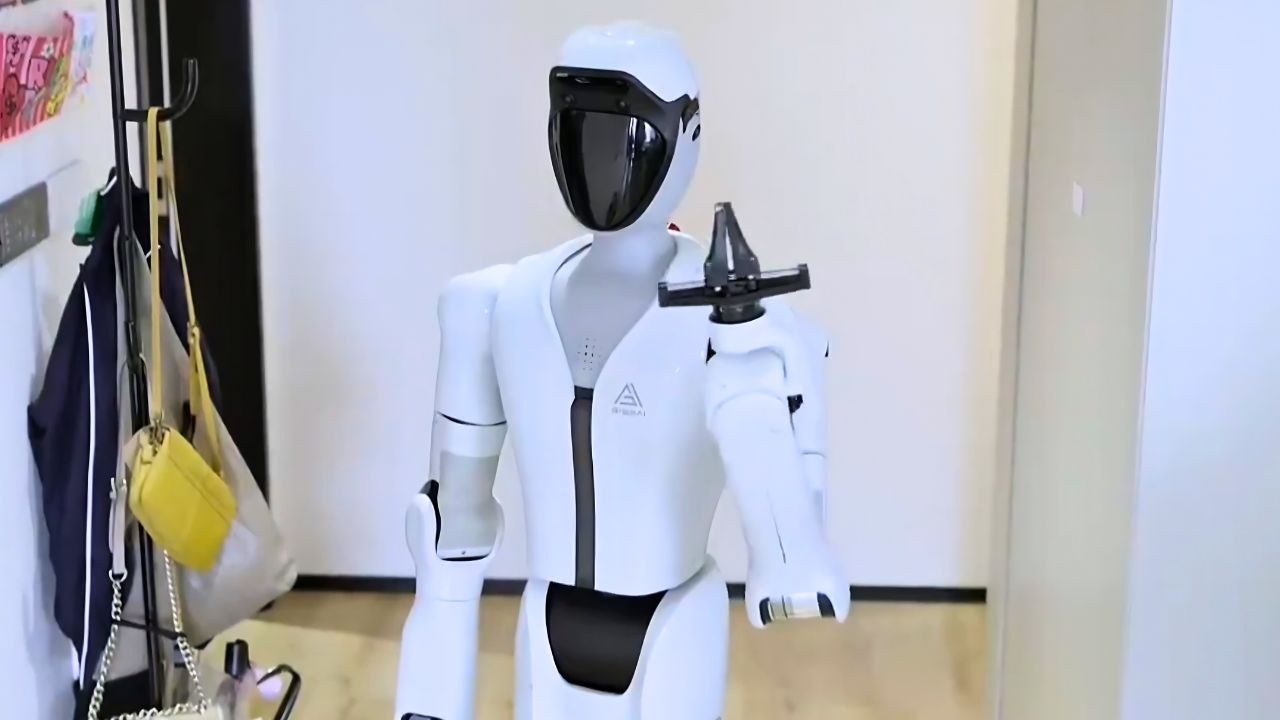
GigaAI SeeLight S1 Household Robot
SeeLight S1 is a wheeled, two-armed household robot from Chinese startup GigaAI, unveiled in May 2026 and backed in part by Huawei's investment arm. It is being tested free of charge in homes in China, not sold. GigaAI wants its hardware cost below RMB 100,000, about $14,700, by June 2027.
US buyers: not on sale anywhere, no export plan, and as a new foreign-produced model it has no FCC authorization on record.
GigaAI is running free pilot placements in China and has announced no international sales. Under the FCC Covered List entry of 28 July 2026, which is country-neutral and covers foreign-produced mobile robots over 4.4 lb with sensors, connectivity and AI control, a new model needs an FCC equipment authorization granted before that date or a Department of War conditional approval. SeeLight S1 has no FCC grant on public record as of 13 Nov 2026, so even a future export would face that gate.
China only: employee-housing pilot since May 2026 and announced free household trials in Wuhan; retail target mid-2027.
As of 2026-11-13 · medium confidence — verify before you commit funds
What is the GigaAI SeeLight S1 Household Robot?
SeeLight S1 is GigaAI's wheeled household humanoid, cooking and doing laundry in pilot homes in China but not yet for sale.
Most home humanoids are sold on the promise of chores they will learn later. SeeLight S1, also reported under the name Shiguang S1, was introduced in May 2026 with a long list of chores it was shown doing on the day: chopping vegetables, frying eggs, loading a washing machine, hanging laundry, making a bed and opening the curtains.
Its maker, GigaAI, operates in Wuhan through Hubei Giga World Robot Co. and is reported to be partly backed by Huawei's investment arm. Rather than open orders, it placed a first batch of 100 robots in housing for technology-company employees and invited ordinary families to apply for free trials.
That makes SeeLight S1 one of the few humanoids anywhere actually living in homes, and also a robot nobody can buy. This page sets out what is known as of 13 November 2026.
What the GigaAI SeeLight S1 can — and can't — do today
+Does this out of the box
- Chop vegetables and fry simple dishes (shown in company demonstrations, with mixed results)
- Load a washing machine, hang laundry and fold clothes (company demonstrations and statements)
- Make beds, open curtains, tidy furniture and water plants (company claims)
- Respond to everyday spoken commands and adapt when furniture is moved (company claims)
- Freeze its movement on contact with a person or pet (company claim)
- Operate in real apartments - 100 units placed in employee housing from May 2026
!Doesn't do, whatever the demo shows
- Be bought - it is not on sale anywhere as of 13 Nov 2026
- Be ordered from outside China
- Climb stairs
- Cook reliably to an adult's standard, judging by the public demo
- Show published specifications for size, weight, battery or payload
What SeeLight S1 is
SeeLight S1 is a wheeled humanoid: a mobile base, a torso, two arms and a head with a dark visor-style face. In layout it resembles SwitchBot onero H1 or Weave Isaac more than the walking robots from Tesla, Figure or 1X. GigaAI has not published a height, weight, number of joints, battery life or payload, which is unusual for a robot that is already in people's homes.
What the company has described is the system rather than the parts. It talks about embodied intelligence in which the robot's digital brain is connected directly to its sensors and actuators, and its broader research centres on world models, AI systems that predict how a scene will change when the robot acts. Huawei's investment arm is reported as a backer, and the project works with the Hubei Humanoid Robot Innovation Centre and a provincial humanoid-robotics alliance.
GigaAI says the robot responds to ordinary spoken instructions, copes when furniture has been moved and carries on after being interrupted. All of those are company statements; no independent testing has been published.
The naming can confuse. Some coverage transliterates the Chinese product name as Shiguang S1, while most English-language reporting uses SeeLight S1. Both refer to the same robot, so search results under either name describe the same machine and the same 100-unit pilot.
The chores it was shown doing
The launch demonstrations covered more of the household than most rivals attempt. GigaAI showed the S1 chopping vegetables, frying eggs, loading a washing machine, hanging washing, making a bed and opening curtains. In a June interview the company added heating food, folding clothes, cleaning the bathroom and toilet, tidying furniture, feeding fish and watering plants to the list.
Not every demo went well. Footage from a public demonstration showed overcooked scrambled eggs and undercooked tomatoes, and clips of the mishap circulated widely, prompting a debate in tech media about whether home robots are being shown to the public too early. That is fair criticism, though it is also more candid than the tightly edited launch films most companies release.
The broader point stands. Cooking and laundry are the chores people most want a robot for, and they are also the hardest, involving heat, liquids, soft materials and safety risks. Seeing a robot attempt them at all in a real kitchen is more informative than seeing one fold a towel on a studio table.
The home trials
GigaAI's first step was a batch of 100 pilot units placed from late May 2026 in housing used by employees of technology companies, according to company statements reported by several outlets. A June report in a Malaysian newspaper, citing the company, said the next phase would put robots free of charge into ordinary households chosen to reflect different family structures, starting in the third quarter of 2026, and that more than 2,000 people had already sent sign-up messages through the company's WeChat account.
Other coverage, quoting the chief executive Zhu Zheng via a Wuhan newspaper, placed free family testing in Wuhan in the first half of 2027, prioritising homes with elderly members, children or pets. The two timelines may describe different phases. We found no report of how many households, if any, had received a robot under the public trial by 13 November 2026.
The company says that with users' consent it collects task data only for research and product improvement. That is the real purpose of a trial like this: gathering data from messy, real homes that no lab can reproduce.
The trial is also a test of the business around the robot. Huang Quanzhou, who runs operations at the Hubei Humanoid Robot Innovation Center, told reporters it would help work out a commercial model covering maintenance and after-sales service. He expects humanoids to appear first in high-end residential communities and elderly-care facilities within one to three years, and in ordinary homes only after five years or more, which is a more cautious forecast than most company marketing.
Cost and price
SeeLight S1 has no retail price. Reports in May put the cost of early units at roughly $28,000. Zhu Zheng has said GigaAI aims to bring the hardware cost below RMB 100,000, about $14,700, by June 2027, which would be around half of today's figure. One report described that as the price at which the robot would reach stores in mid-2027; the company's own wording is about cost, not shelf price.
A survey the company ran found people considered RMB 50,000 to 100,000 an acceptable price for a household robot, roughly $7,000 to $14,000. GigaAI expects costs to fall within one to two years as volumes rise.
One Spanish-language report claimed the S1 had been on sale since October 2026 for about $15,000. We could not confirm that from any company statement or other outlet, so we do not treat it as fact.
Safety in a home with children and pets
A robot that cooks and cleans bathrooms is handling hot pans, chemicals and sharp knives in rooms where children and pets walk. GigaAI's answer is what it calls a compliant control mechanism: the robot freezes its movement immediately if it touches a person or animal, according to Zhu Zheng. That is a sensible baseline, though it does not address risks that do not involve contact, such as leaving a hob on.
The company has not described certification against any household-robot safety standard, and we are not aware of one that fully fits a machine like this yet. Families in the trials are, in effect, testing that question too. A trial in which the company keeps close contact with each home is a reasonable way to find failure modes before a public sale, it is also a reason not to read too much into early success stories.
How it compares with Western home robots
The obvious comparison is with the robots US households can reserve. 1X NEO walks on legs and costs $20,000 or $499 a month, with a remote operator mode for tasks it cannot do alone. Weave Isaac 1 is wheeled like the S1 and costs $7,999. Flourish 1 is a $3,555 two-armed robot that owners teach by phone, but it lifts only 1.5 kg and does not cook. SwitchBot's onero H1 is listed at $9,999 and still not orderable.
On ambition, the S1 is ahead of most of them. Cooking with heat, handling wet laundry and cleaning toilets are things the cheaper Western robots explicitly do not attempt. On evidence, it is roughly level: lots of company footage, one widely shared failure, and no independent long-term tests. On cost, its target of about $14,700 in hardware cost by mid-2027 would put it between Isaac and NEO, before any retail margin.
The deeper difference is approach. Western startups mostly sell early and learn from paying customers. GigaAI is giving robots away first and planning to sell later, a slower and more expensive route that may produce a more mature product when sales start, if the money lasts.
What to watch next
Three things will show whether SeeLight S1 is on track. The first is whether the public household trial in Wuhan actually starts, and how many families take part. The second is any published specification sheet, which GigaAI will need before a retail launch. The third is the rumoured S2, which one analyst expects later in 2026 and which would show how quickly the hardware is moving.
We will update this page when GigaAI publishes trial results or a price.
Can anyone outside China get one?
No. GigaAI has announced no export plans, no international partners and no English-language order channel. Its trials and its retail target are both in China.
For US readers there is an additional barrier. Under the FCC Covered List entry of 28 July 2026, a country-neutral rule that covers foreign-produced mobile robots heavier than 4.4 lb with sensors, connectivity and AI control, a new model needs an FCC equipment authorization granted before that date or a Department of War conditional approval to be imported and sold. SeeLight S1 has neither on public record. It is a robot to follow as a signal of where Chinese home robotics is heading, not one to shop for.
One analysis has suggested GigaAI plans an upgraded S2 model later in 2026. We have not seen the company confirm it.
The GigaAI SeeLight S1 on video
Hands-on reviews and teardowns, picked for what they actually show rather than how loud the thumbnail is.
The most-watched clip of the launch demonstrations, covering cooking, laundry and tidying in one place.
A sceptical explainer that separates what the demo shows from what the company claims, including cost.
Puts the SeeLight household trials in the context of China's wider rush to test robots in real homes.
Who the GigaAI SeeLight S1 is — and isn't — for
+Where it shines
!Watch-outs
- Not really on sale yet — availability is research / limited.
- Sold to businesses only — not to private buyers.
- Public data is thin; verify key figures before relying on them.
How the GigaAI SeeLight S1 stacks up
Side by side with similar robots — the one you're reading about is highlighted.
| This robot GigaAI (Hubei Giga World Robot Co.) GigaAI SeeLight S1 | 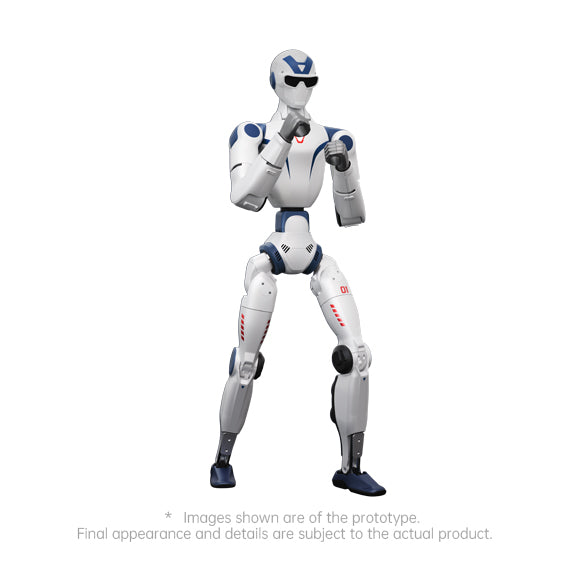 Unitree Robotics Unitree R1 | 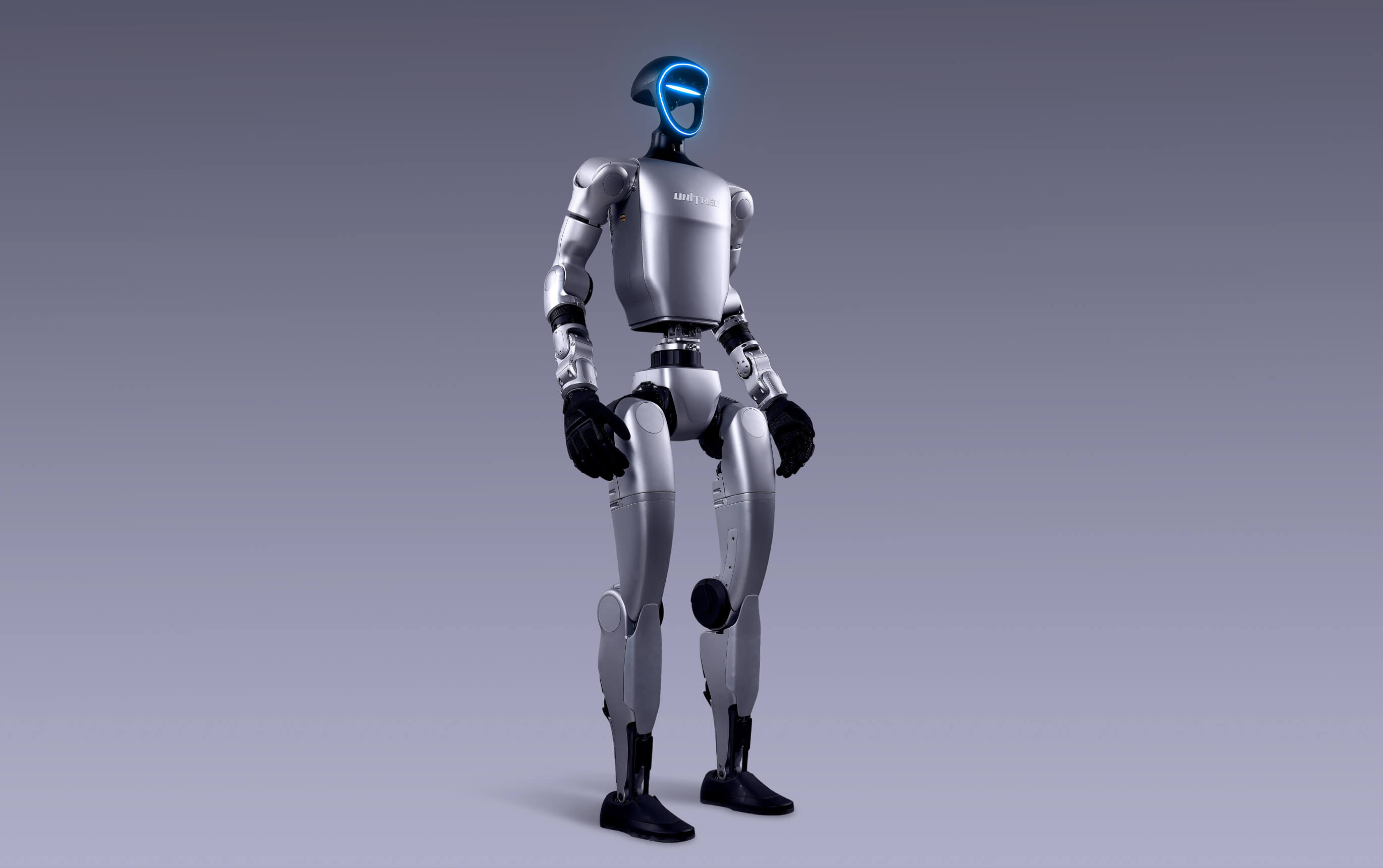 Unitree Robotics Unitree G1 | 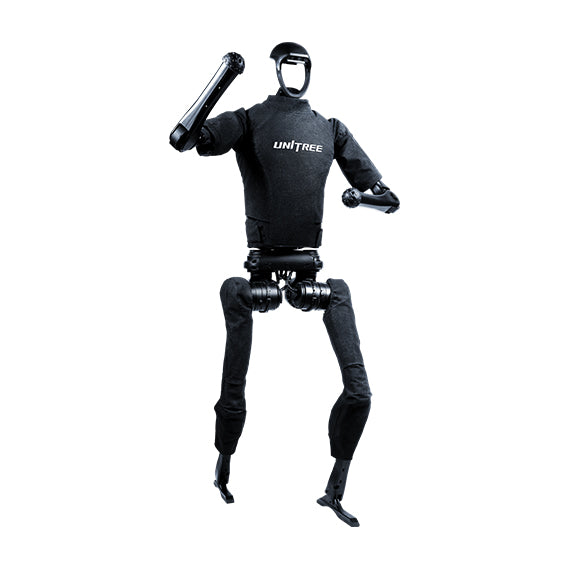 Unitree Robotics Unitree H1 | |
|---|---|---|---|---|
| Price (US) | Not for sale. Early units reported to cost about $28,000 to build | $4,900 – $5,900 | $13,500 – $73,900 | ~$90,000 |
| Availability | Research / limited | On the market | On the market | On the market |
| Height | Not published | 1.23 m | 1.32 m standing | ~1.80 m |
| Payload | Not published | Unknown | Arm ~2 kg | Not rated for H1 |
| DoF | Not | 20 | 23 | ~19 |
| Buyer | Enterprise | Individuals | Individuals | Enterprise |
| Made in | China | China | China | China |
What the GigaAI SeeLight S1 costs — and how to get one
Not for sale as of 13 Nov 2026; target hardware cost below RMB 100,000 (about $14,700) by June 2027
Sign-up for free household trials through the company's WeChat account (over 2,000 sign-up messages reported in June 2026)
Leasing / RaaS: Free trial placement for pilot households; no paid lease announced
Every spec, grouped & sourced
Tap a group to expand. Values are labelled official vs third-party; unknowns are omitted, not guessed.
Body & movement▾
Power & endurance▾
Hands & senses▾
Brains & control▾
Claims vs evidence
Responds to everyday spoken commands, adapts when furniture is moved, keeps working when interrupted, and improves through daily use; built on GigaAI's world-model research (company claims)
Where it's working
100 pilot units placed in housing for technology-company employees from late May 2026 (company statement as reported)
Intended use cases: General household chores: making beds, heating food and cooking simple dishes, washing, hanging and folding laundry, cleaning bathrooms and toilets, tidying furniture, opening curtains, feeding fish and watering plants; priority for homes with older people, children or pets
Should you consider the GigaAI SeeLight S1?
SeeLight S1 is one of the most ambitious home humanoids anywhere, attempting cooking and laundry in real apartments rather than in a studio. It is not for sale, not available outside China and openly imperfect, as its egg demo showed. Its value for now is as a benchmark of what a Chinese home robot can do in mid-2026 and what it will cost when it reaches stores.
Score reflects stated criteria (availability, data confidence, US relevance) — not hands-on testing or user ratings. We're an independent review & comparison site; we don't sell robots. *Financing figure is illustrative.
How we know this
Data confidence 50/100 · last verified 2026-11-13. Specs are labelled official vs third-party and dated; unknowns are omitted, not guessed.
GigaAI SeeLight S1 — your questions, answered in full
Can I buy the SeeLight S1?+
No. As of 13 November 2026 GigaAI is placing it free of charge in pilot homes in China, not selling it. The company is aiming for retail-level costs by mid-2027.
How much will the SeeLight S1 cost?+
There is no price. Early units are reported to cost about $28,000 to make, and GigaAI wants the hardware cost below RMB 100,000, about $14,700, by June 2027. A company survey suggested buyers would accept RMB 50,000 to 100,000.
What chores can the SeeLight S1 do?+
GigaAI has shown or described it cooking simple dishes, chopping vegetables, washing, hanging and folding laundry, making beds, cleaning bathrooms, tidying, feeding fish and watering plants. A public cooking demo produced overcooked eggs, so treat these as work in progress.
Who makes the SeeLight S1?+
GigaAI, a Chinese startup operating in Wuhan through Hubei Giga World Robot Co., reported to be partly backed by Huawei's investment arm. Its co-founder and chief executive is Zhu Zheng.
Is the SeeLight S1 in real homes?+
A first batch of 100 units was placed in housing for technology-company employees from late May 2026, according to the company. A free public trial for ordinary families in Wuhan was announced, with dates reported as Q3 2026 or the first half of 2027.
Is SeeLight S1 a humanoid robot?+
It is a wheeled humanoid: two arms and a head on a mobile base, rather than legs. That is the same layout most home-chore robots use in 2026.