Chinese humanoid robots in 2026
We track 49 humanoid robots from 34 Chinese makers. Here is what they are, what they cost in China and in the US, and which ones an American buyer can actually get after the July 2026 FCC rule.
China builds more humanoid robots than any other country. Unitree and AgiBot each say they shipped more than 5,000 in 2025. Prices start at about $1,400 for a small walking robot sold inside China and $4,900 for Unitree's R1 AIR, and climb past $100,000 for full-size industrial machines. From the US you can buy only a short list: Unitree, Booster, Dobot, AgiBot and Noetix models sold through dealers or the makers' own stores. A country-neutral FCC rule of 28 July 2026 blocks authorisation of new foreign-produced robot models, but models authorised before that date are still sold.
What China is building
Chinese humanoids fall into four rough groups, and it helps to keep them apart because they are bought by completely different people.
- Low-cost research and hobby robots. Small and mid-size walking robots sold openly online, led by Unitree G1 and Unitree R1, Booster K1 and Booster T1, and Noetix N2. Universities, developers and robot-soccer teams buy these. They walk, run and do flips; they do not do housework.
- Full-size industrial humanoids. UBTech Walker S2, AgiBot A2, Galbot G1, RobotEra L7 and X-Humanoid Tiangong go to factories, warehouses and shops through enterprise contracts. Galbot, for example, runs walk-in convenience stores staffed by its G1, including three in Hong Kong that opened on 1 September 2026.
- Automaker programmes. XPeng IRON, Xiaomi CyberOne, BYD, GAC GoMate and Chery's AiMOGA line. Most are working inside their own car plants or showrooms, not on sale to anyone.
- Home and companion robots. UBTech U1, UniX Wanda, AiMOGA Mornine and Zeroth M1. Almost all of them are sold only inside China; the small Zeroth M1 is the exception, launched for US homes at CES 2026.
Why so many? Beijing named humanoid robots a priority industry in a 2023 national guideline, provinces and cities added subsidies and test centres, and Chinese suppliers already make most of the motors, gearboxes, batteries and sensors a humanoid needs. That is the main reason a Chinese walking robot can cost a fraction of an American one. It does not mean the robots are more capable, the cheapest ones are mostly remote-controlled or scripted platforms that you program yourself.
Who the makers are
Unitree is the one most Americans have heard of, and the only Chinese humanoid maker with a broad US dealer network. AgiBot (Zhiyuan Robotics, Shanghai) is the other volume leader and runs a global online store and a leasing business it says covers 17 countries. UBTech, listed in Hong Kong, is the older consumer-robot company that pivoted to industrial humanoids. Booster Robotics is a quieter Beijing firm whose robots are common in university labs and robot soccer. Fourier started in rehabilitation devices and now sells the GR-3 care robot. Noetix, LimX Dynamics, Galaxea, RobotEra, EngineAI, Galbot and MagicLab are younger startups, several of them now queuing for Hong Kong listings. For a full list by country see our humanoid robot companies page.
Prices: China vs export
A Chinese list price is not what an American pays. Unitree's own store quotes shipping of $300 to $1,200 and makes the customer responsible for customs duty, and US dealers add tariffs, setup and support. Development access is often a separate, much more expensive tier. The table below compares what we could confirm; every figure comes from the dated price record on each robot's page.
| Robot | In China | US / export | Checked |
|---|---|---|---|
| Noetix Bumi | RMB 9,998 (about $1,400), Noetix launch price | No official US price; a US reseller listed $5,995 (unverified) | 13 Nov 2026 |
| Unitree R1 | RMB 29,900 after a cut from RMB 39,900 on 24 June 2026 (Chinese tech press) | $4,900 R1 AIR / $5,900 R1 on Unitree's own page, before tax, shipping and duty | 13 Nov 2026 |
| Unitree G1 | Not compared here | $13,500 base (no development access) on Unitree's store; $43,900–$73,900 for EDU versions via US dealers | 13 Nov 2026 (EDU: 30 Aug 2026) |
| Unitree H2 | Not compared here | $29,900 list on Unitree's store (sold out); about $40,500 at a US reseller with tariffs included | 13 Nov 2026 |
| Booster K1 | No public MSRP | About $11,865–$26,998 at two US resellers, by version | 13 Nov 2026 |
| UBTech U1 | RMB 119,800 (about $16,700) for the half-body U1 Lite, up to RMB 990,000 | Not sold in the US | 13 Nov 2026 |
Reseller figures are what a dealer listed on the date shown, not a maker's MSRP. More on humanoid robot prices.
Which Chinese robots can you buy from the US?
Fewer than the headlines suggest. As of 13 November 2026 the realistic US routes are Unitree (its own store plus authorised dealers for the G1, H1, H2 and R1), Booster (US resellers for the K1 and T1), Dobot (the Atom, sold through US channels), AgiBot (its export store and US distributors) and Noetix (the N2 through a robotics marketplace, and resellers listing the Bumi). The card grid below sorts all 49 models by this question.
The 28 July 2026 FCC rule, read correctly
On 28 July 2026 the FCC released Public Notice DA 26-786, which added foreign-produced advanced robotic devices to its Covered List. It is widely described as a ban on Chinese robots. It is not written that way. The test is whether a robot is a domestic end product under Buy American rules, meaning made in the US with more than 65% domestic component cost, so robots from Europe, Japan, Korea or Canada are caught by the same wording, and assembling imported parts in the US does not clear the bar.
The mechanism is also narrower than a ban. The rule stops new FCC equipment authorisations, and without authorisation a new model cannot be imported or marketed. Models authorised before 28 July 2026 are grandfathered: import, sale, ownership and resale continue, and a waiver covers firmware and security updates until at least 1 January 2029. Unitree's prospectus of 31 July 2026 lists the G1, H2 and R1 among its models still permitted for US sale, and itself warns that the FCC could later revoke existing authorisations. If you are buying a brand-new Chinese model announced after July, ask the seller for its FCC ID and grant date before you pay.
The Unitree IPO
Unitree listed on the Shanghai STAR Market on 19 August 2026 under ticker 688836, having priced on 6 August at ¥150.80 a share and raised about ¥6.1 billion. Retail demand oversubscribed the offer more than 8,000 times, a STAR Market record. The shares rose about 629% intraday on the first day, closed around 460% up, and gave back a large part of that within the first week. For a buyer of the robots, the useful part is the prospectus: it is the most detailed public disclosure any humanoid maker has produced, including shipments of more than 5,000 humanoids in 2025. The stock side is covered on our humanoid robot stocks page, which also tracks the Hong Kong filings by AgiBot, Noetix, LimX, RobotEra and others.
Robot games and marathons, briefly
China stages public competitions that generate most of the viral clips. The second World Humanoid Robot Games in Beijing ran 22–26 August 2026 with 666 teams from 16 countries and more than 2,000 robots, and X-Humanoid's Tiangong Ultra won the large-size 100 metre final. An Honor-built robot won Beijing's humanoid half-marathon in April 2026. These events show balance and motor control improving fast. They say little about whether a robot can do useful work in a home or a factory, so we don't weigh them when we rate a robot.
Security and data
A humanoid is a mobile computer with cameras, microphones and a cloud account, and the same caution applies to any maker. Chinese robots get extra scrutiny for a concrete reason: in August 2026 researchers disclosed two flaws in Unitree's R1 and G1, and as of the 29 August 2026 disclosure the on-device Bluetooth issue had no published firmware fix. Practical steps: keep the robot on its own network, check the app's data settings, and don't buy a model whose maker has no update record.
Buy or reserve from the US (13)
Chinese-made models on sale or open for reservation, with a US route through the maker's store or a dealer. Most are research and developer platforms, not home helpers.
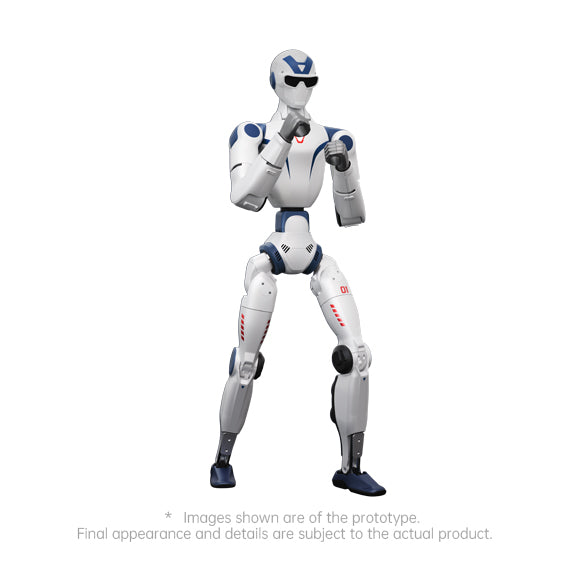
Unitree R1
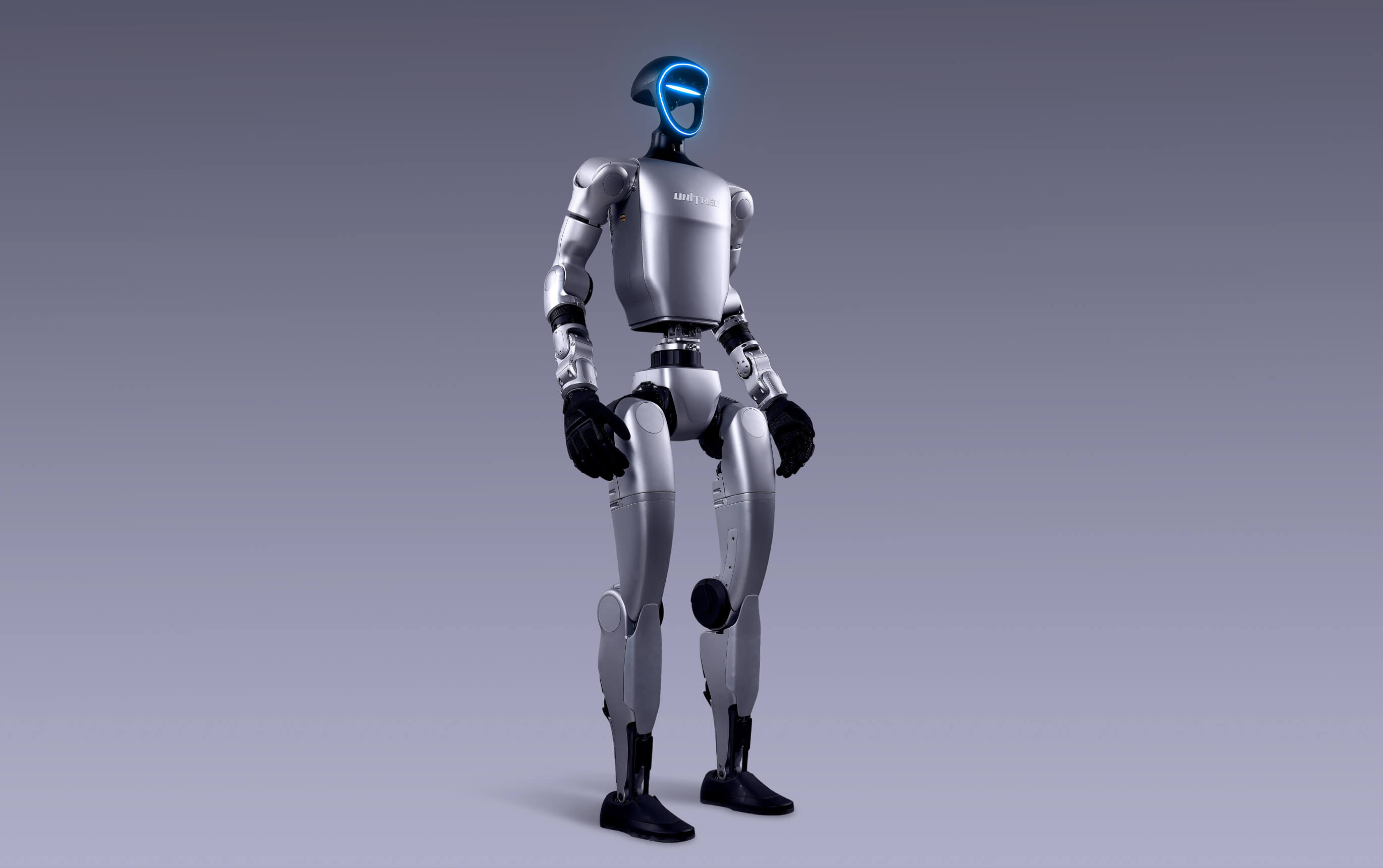
Unitree G1
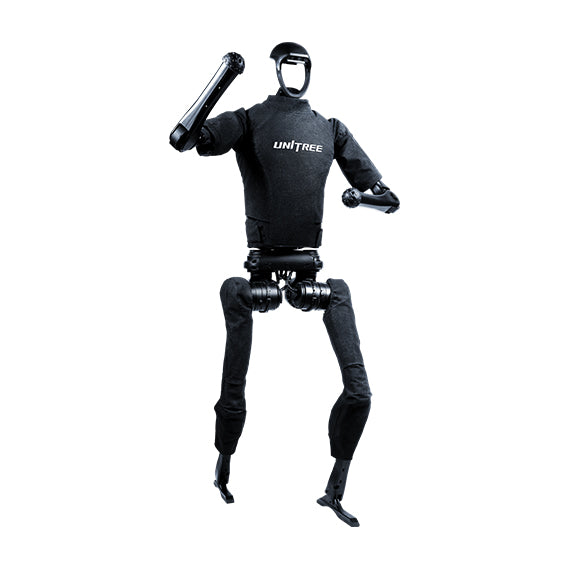
Unitree H1
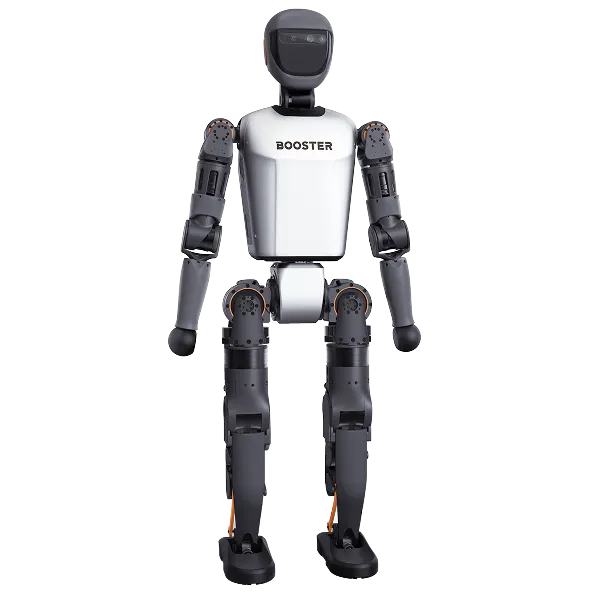
Booster T1
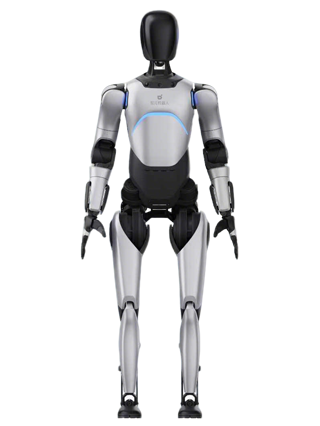
AgiBot A2
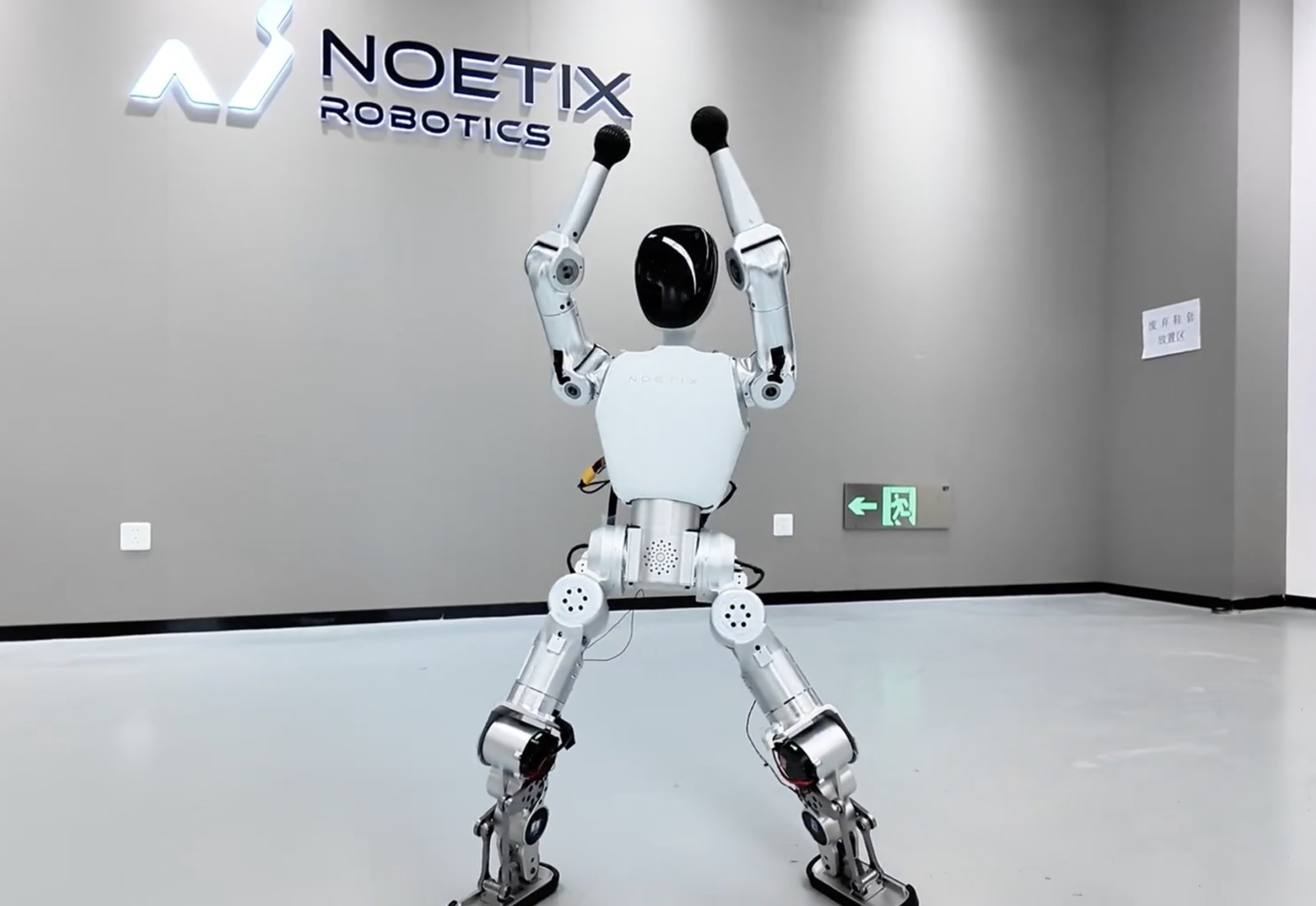
Noetix Bumi
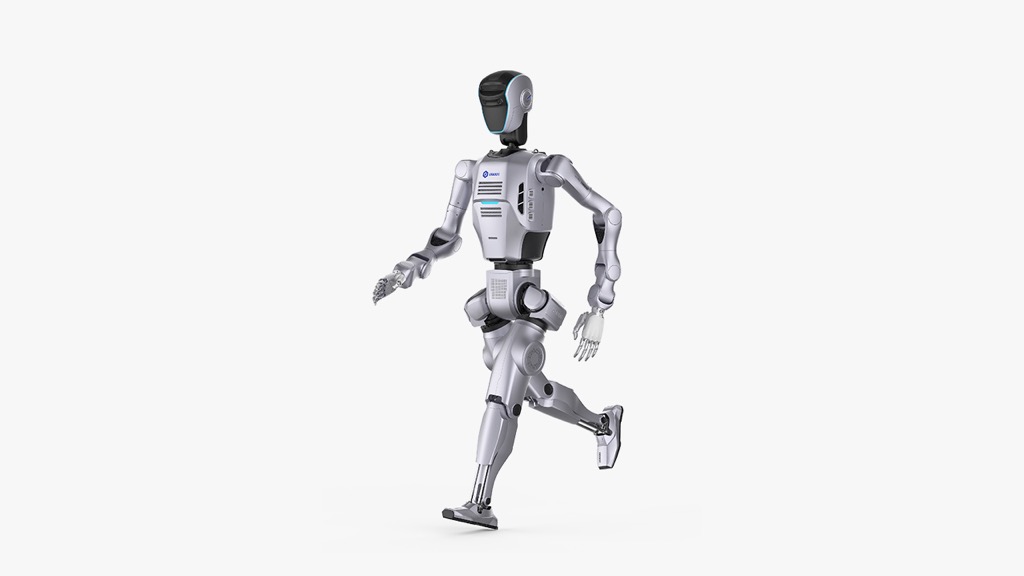
Dobot Atom
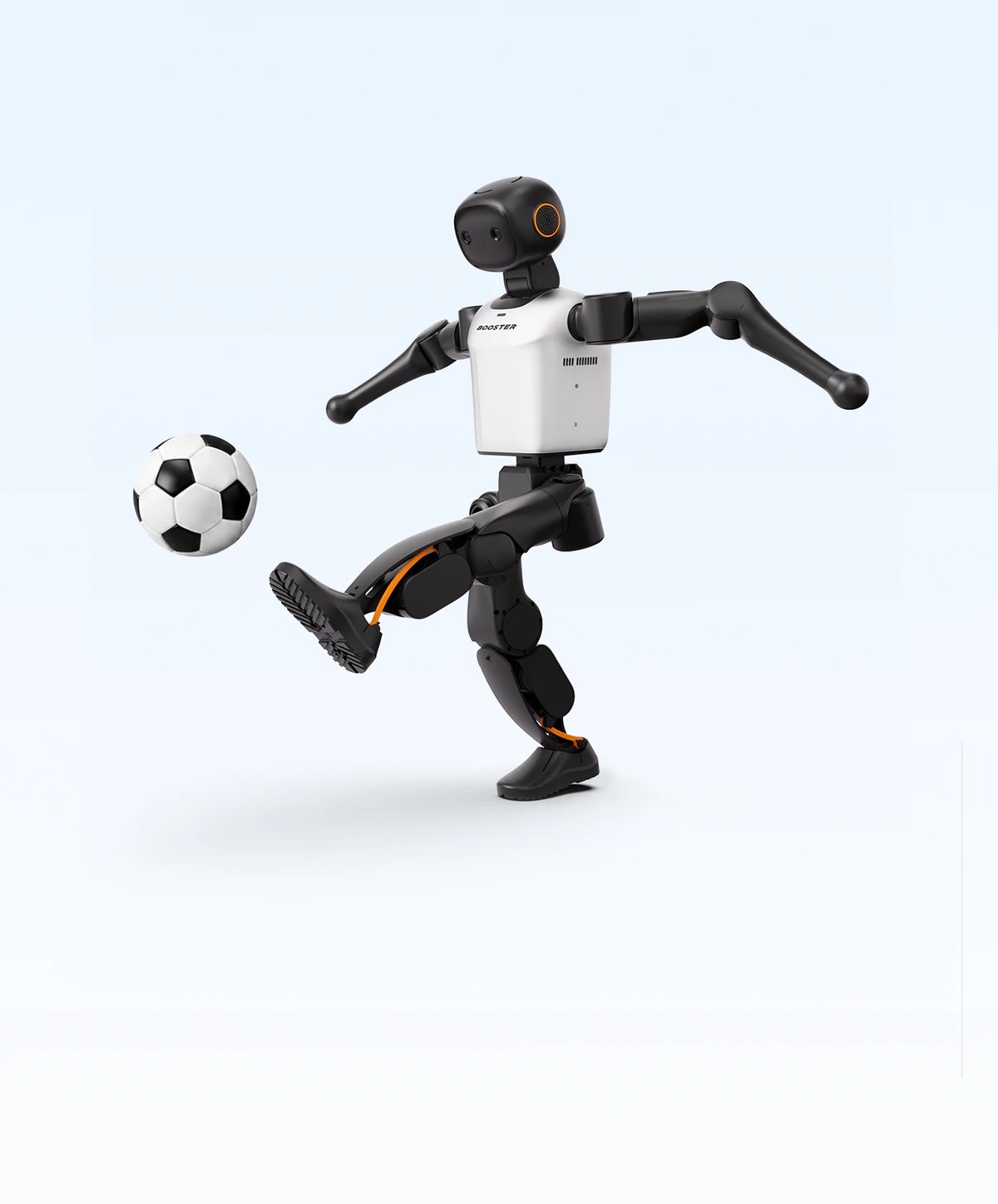
Booster K1
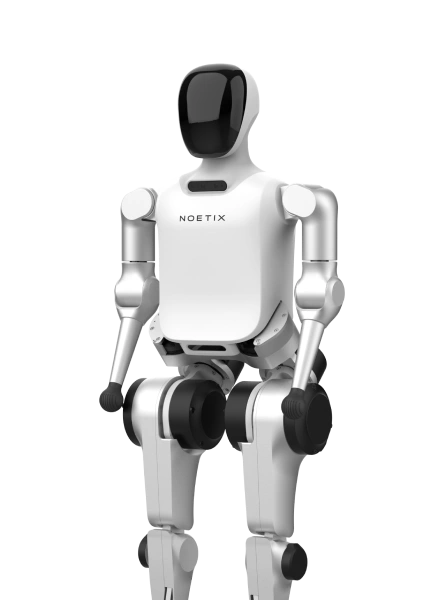
Noetix N2
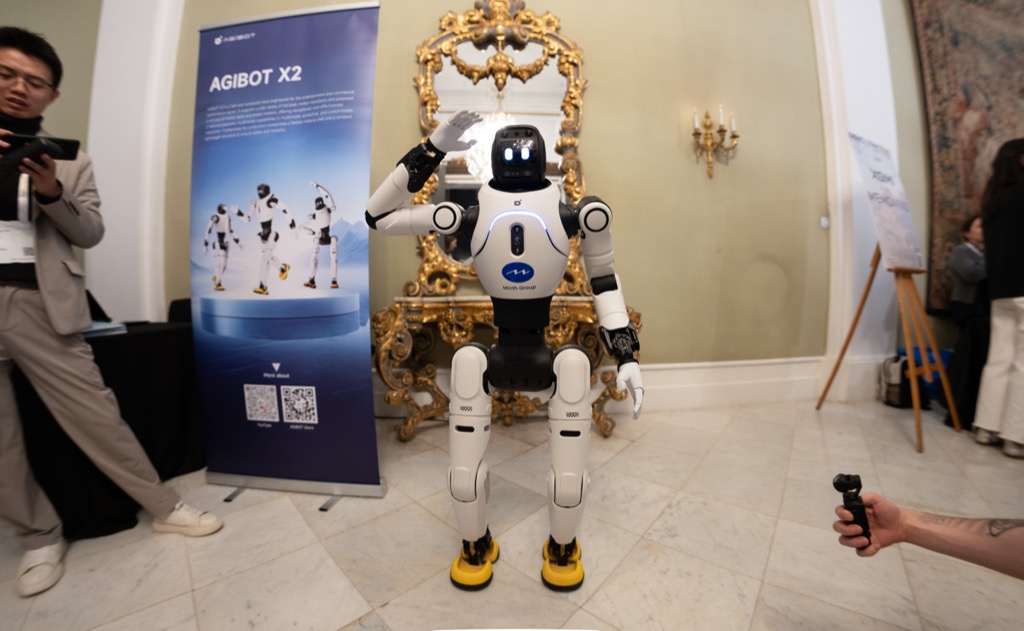
AgiBot Lingxi X2
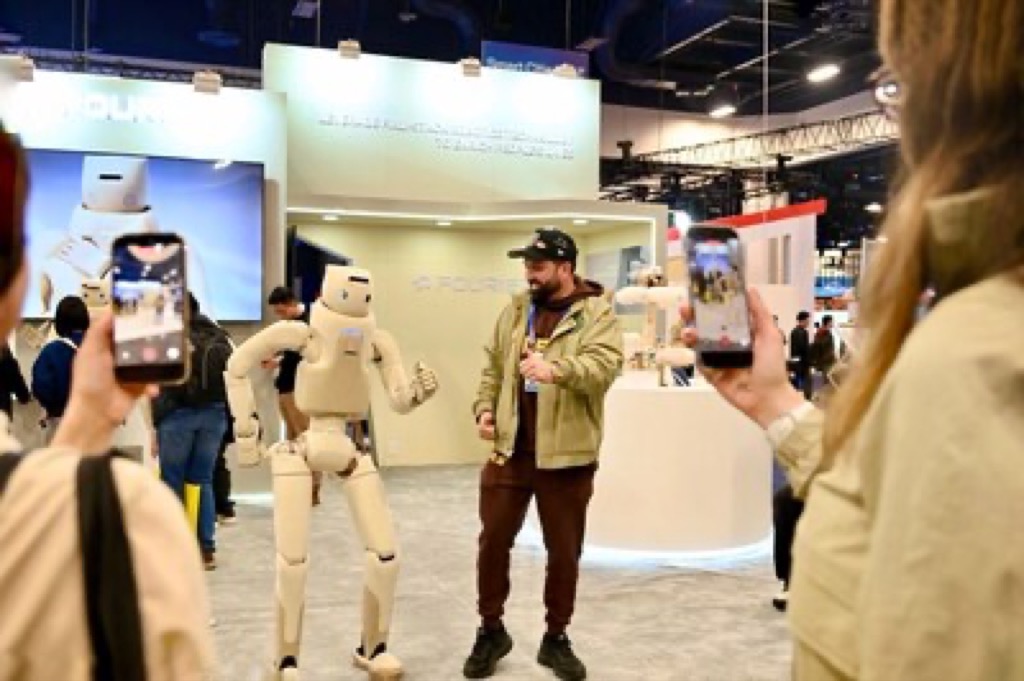
Fourier GR-3
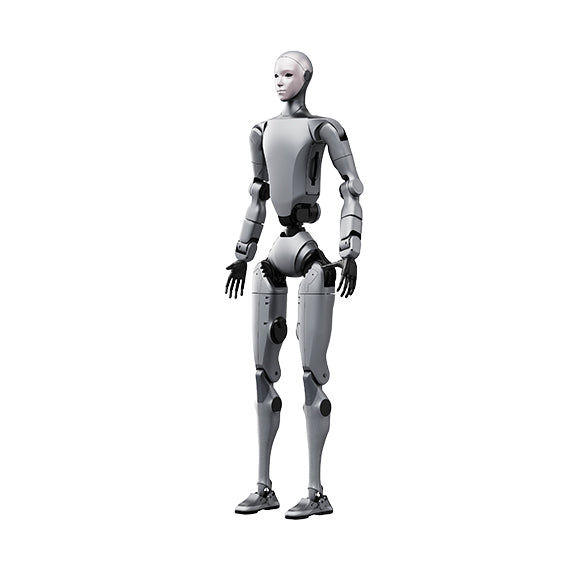
Unitree H2
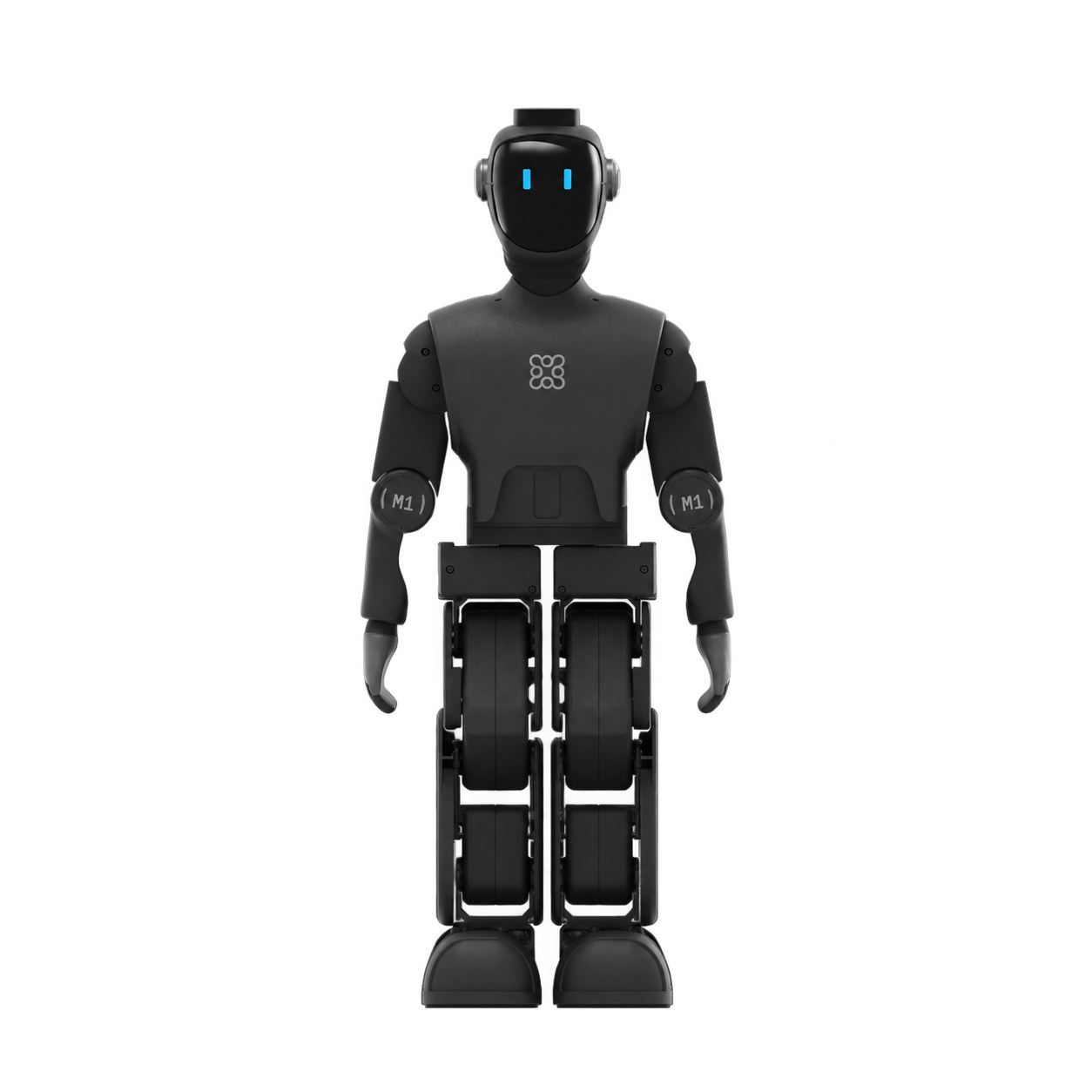
Zeroth M1
On sale, but mainly inside China (6)
Orderable on Chinese stores or presale, with no official US distribution. A US buyer would need an importer, and new imports face the FCC authorisation question above.
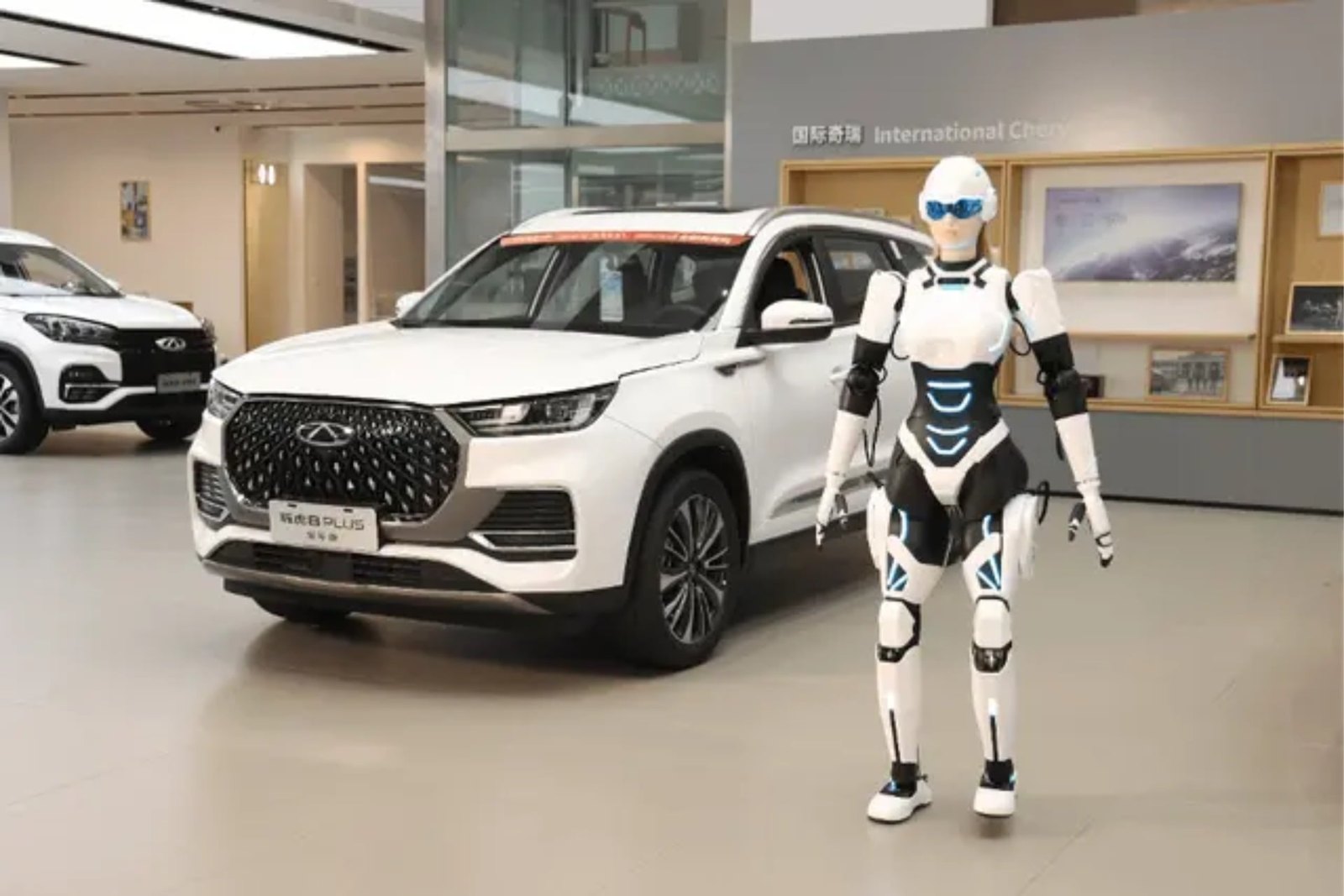
AiMoga Mornine M1

UBTech U1
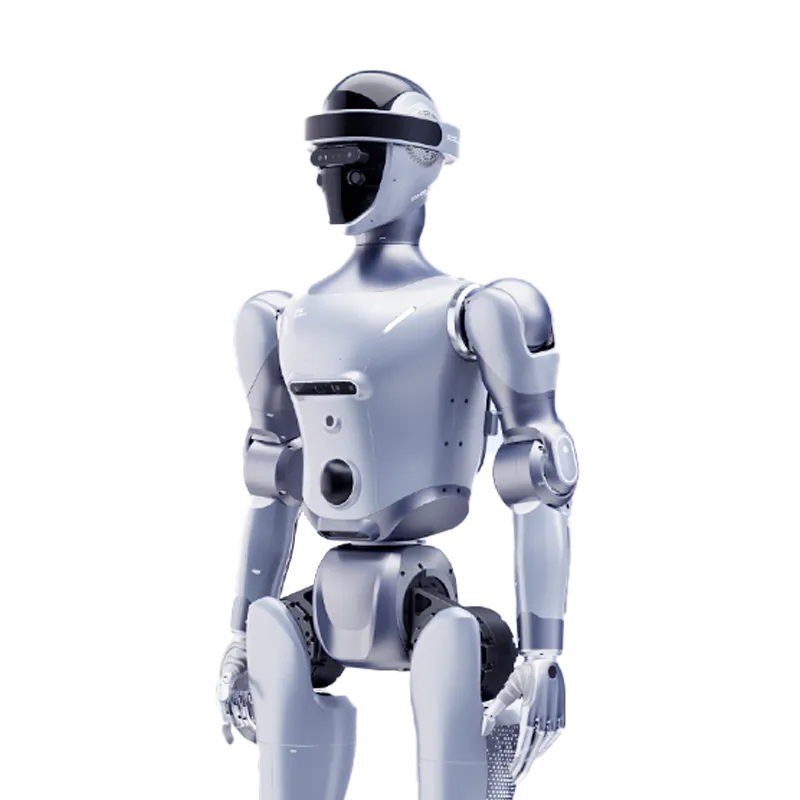
CASBOT 02
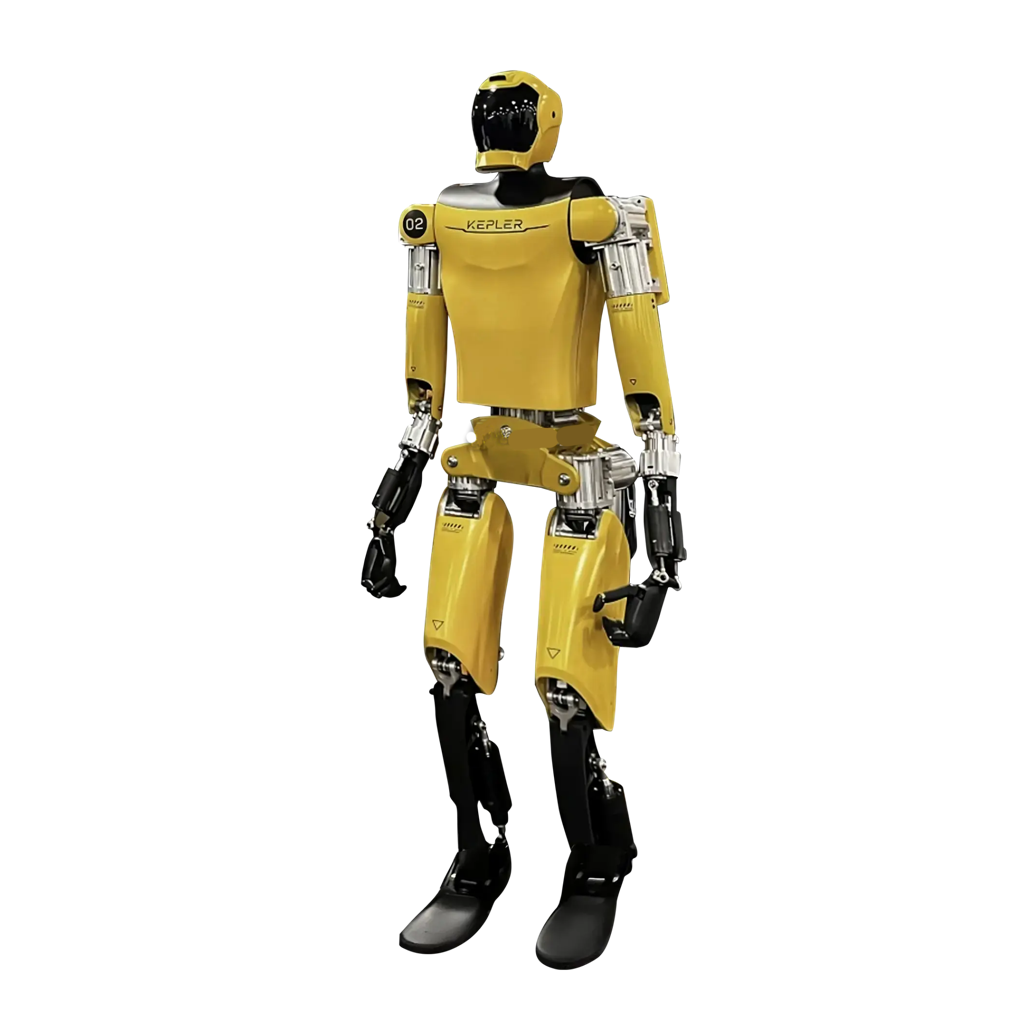
Kepler Forerunner K2 'Bumblebee'
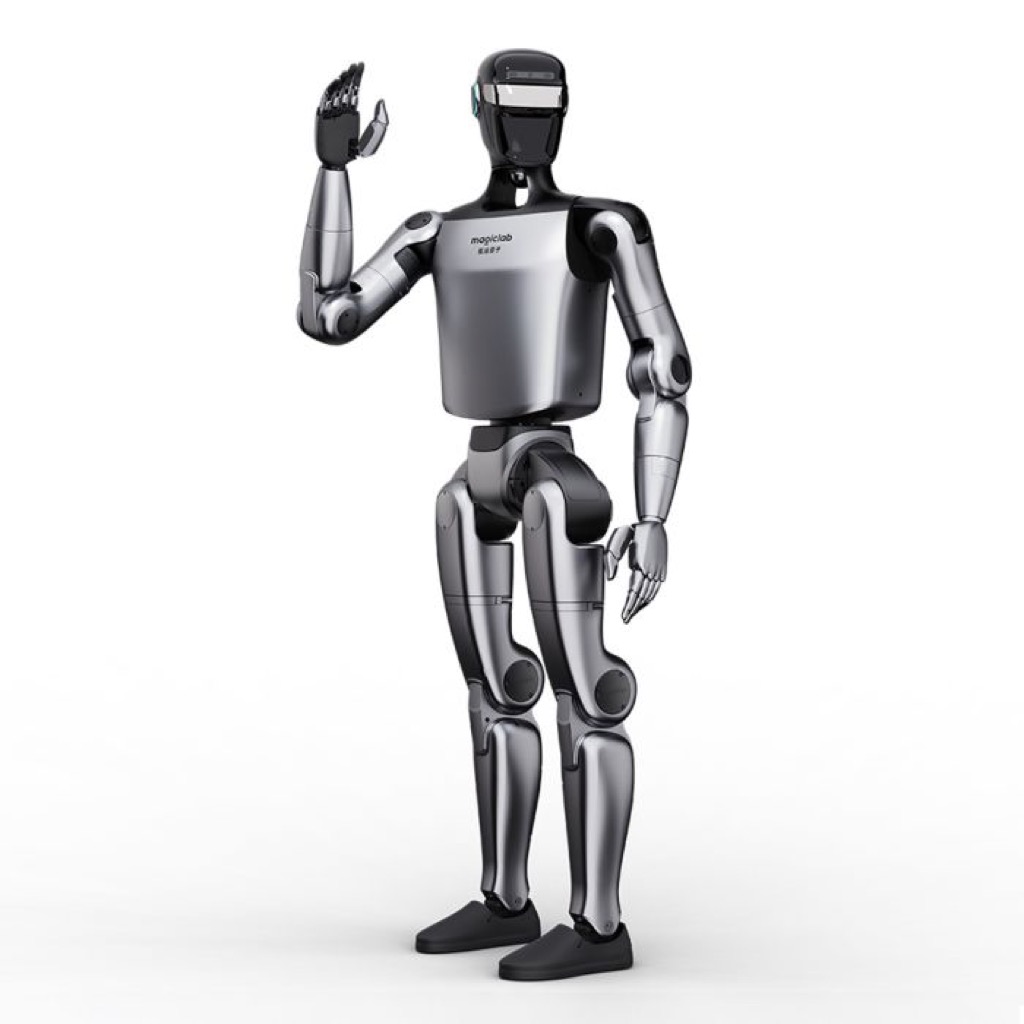
MagicLab MagicBot Z1
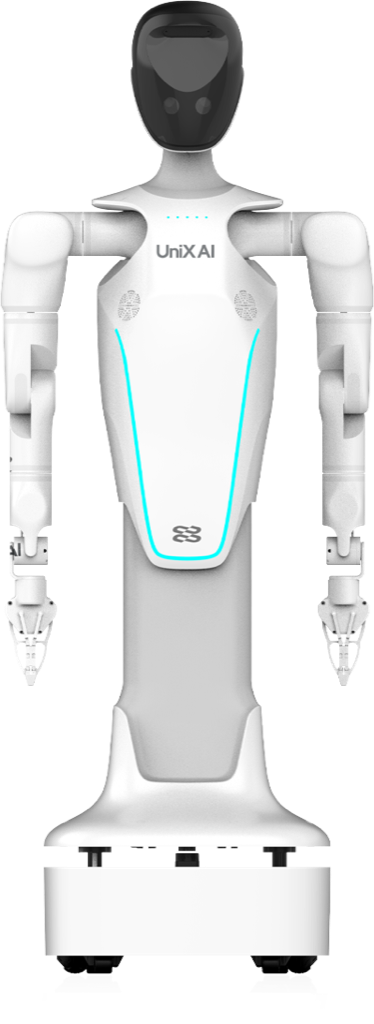
UniX Wanda 2.0
“Made in China” is not one category.
A $5,000 Unitree R1 bought online and a factory-contract UBTech Walker S2 have almost nothing in common except the country. We label buyer type, US reach and teleoperation on every robot page.
How we reviewEnterprise, pilots and research (24)
Sold through quotes, pilot programmes or research access, mostly to Chinese factories, logistics firms and labs. Prices, where shown, are reported figures rather than public list prices.
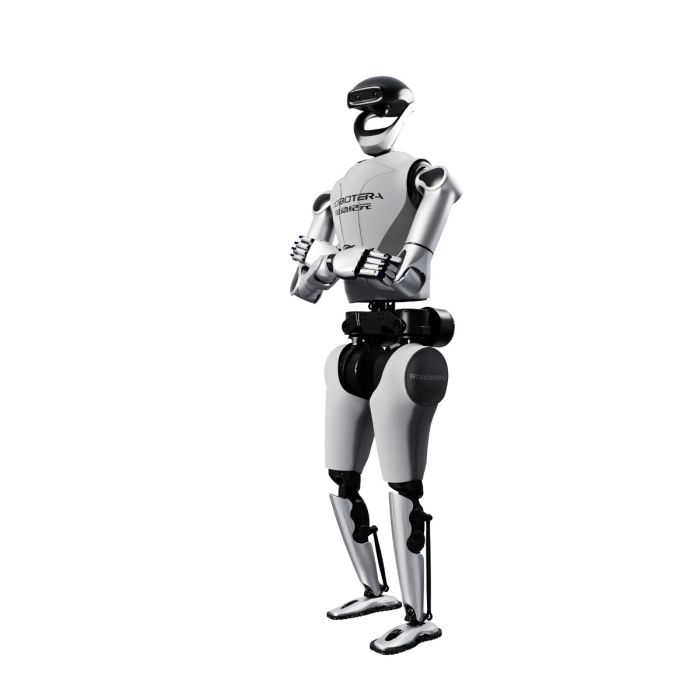
Robot Era L7
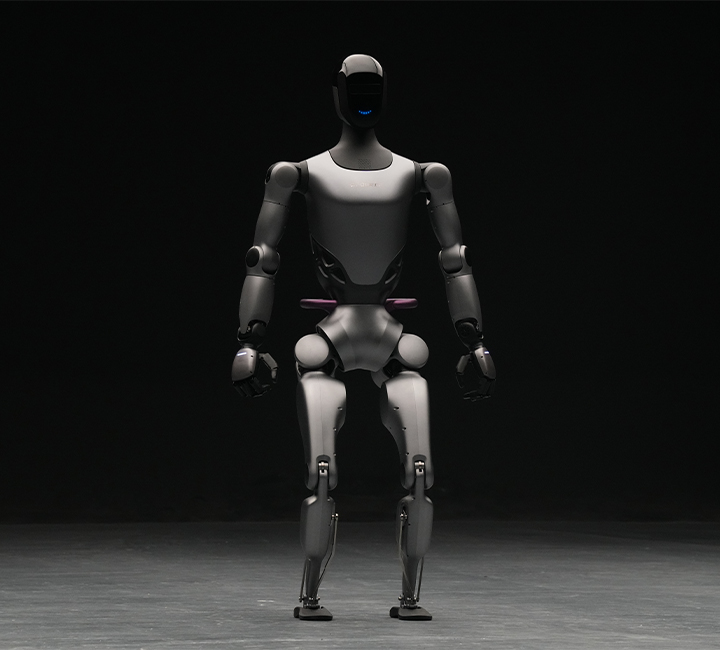
Fourier GR-1 / GR-2
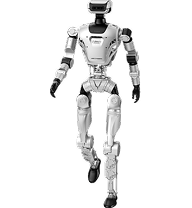
LimX Oli
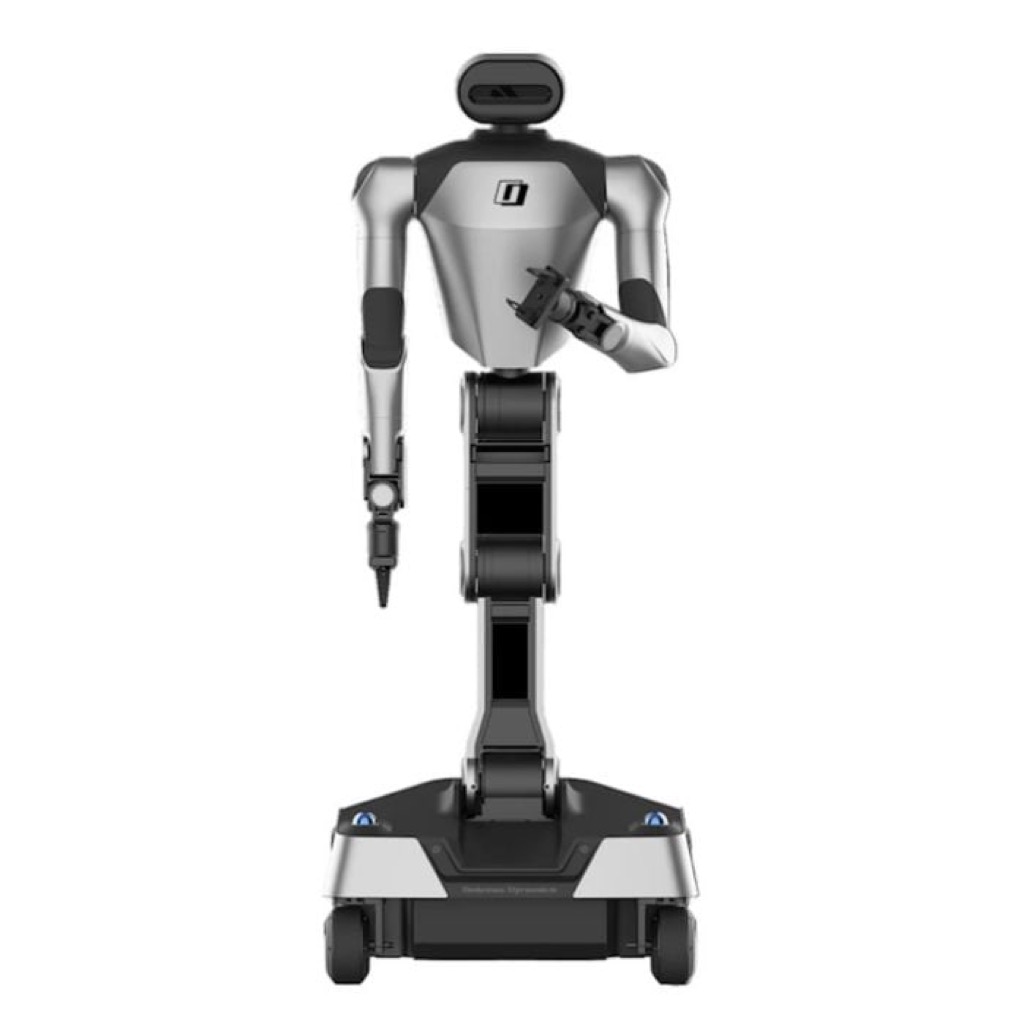
Galaxea R1
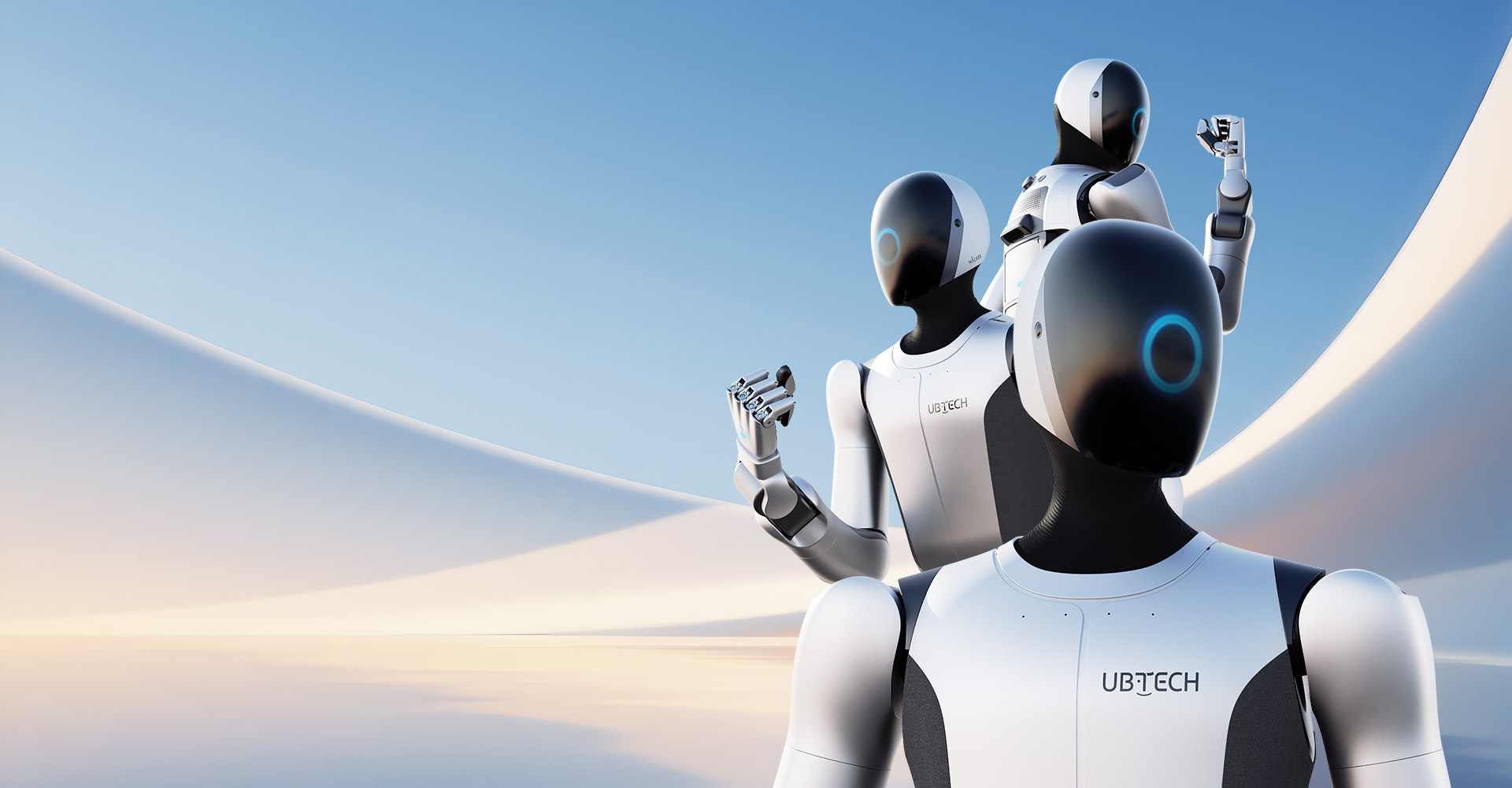
UBTech Walker S2
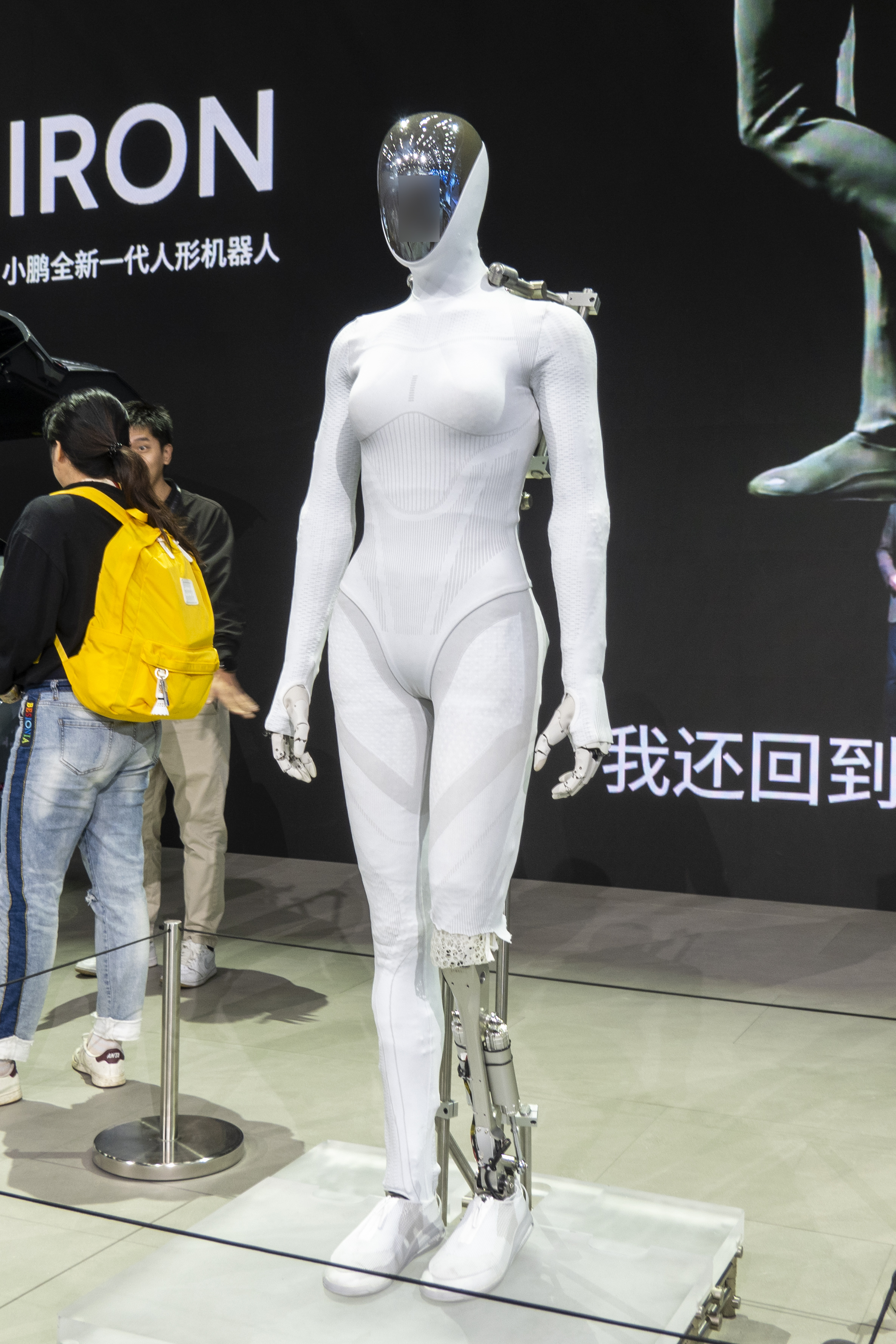
XPENG IRON
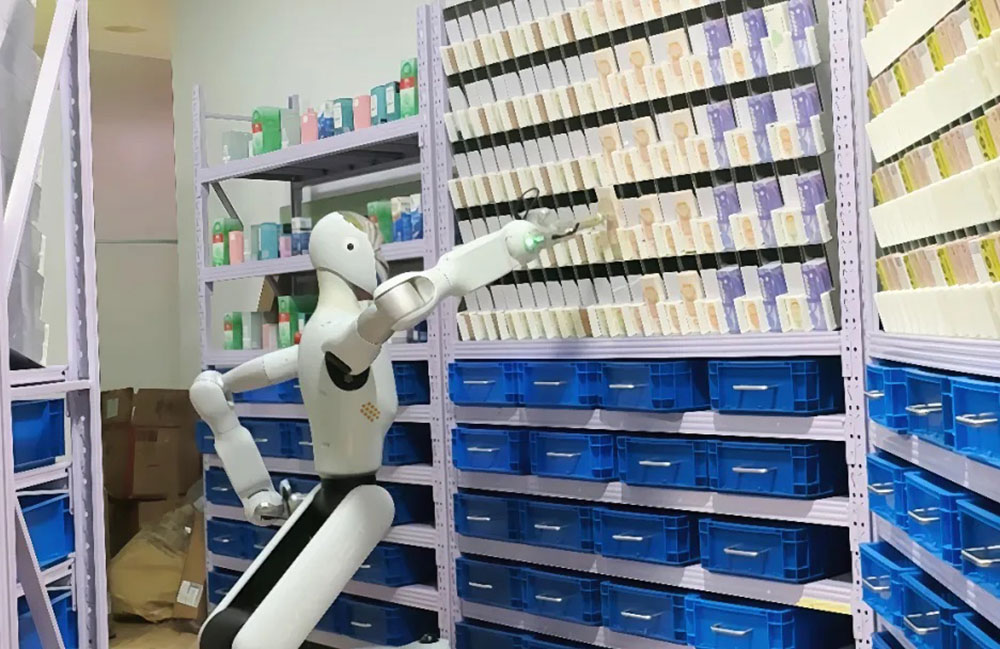
Galbot G1
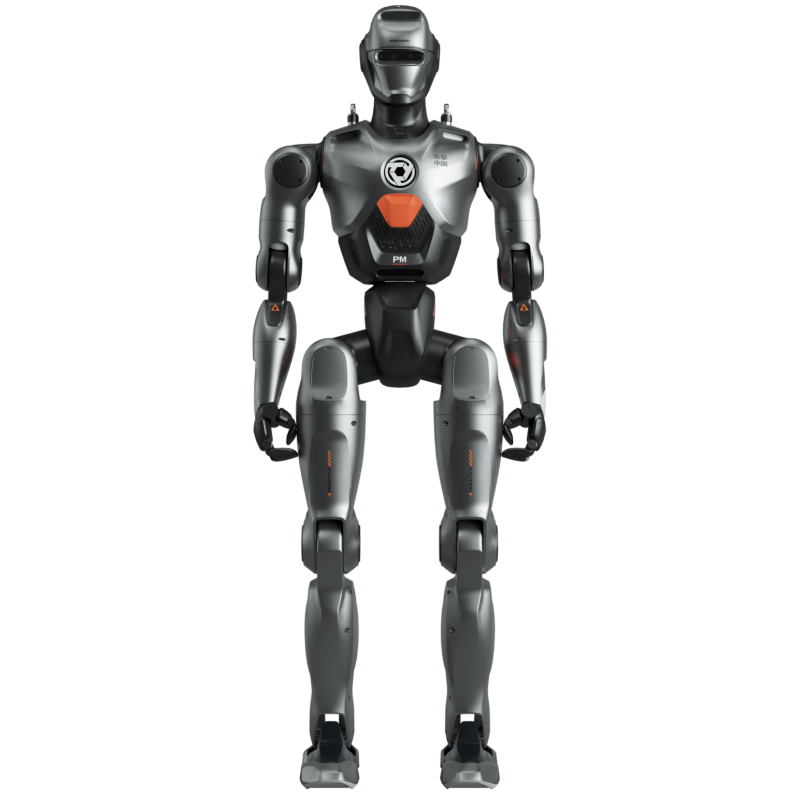
EngineAI SE01 / PM01
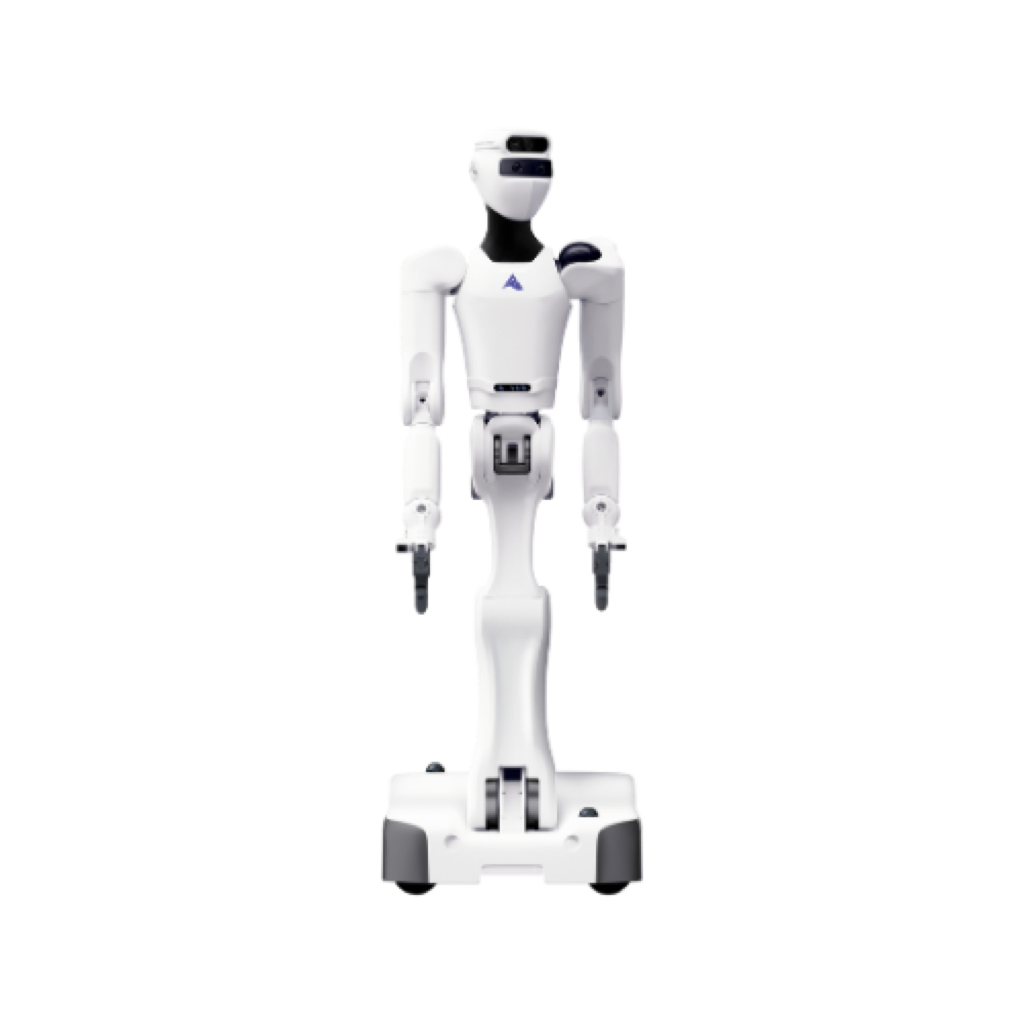
Astribot S1
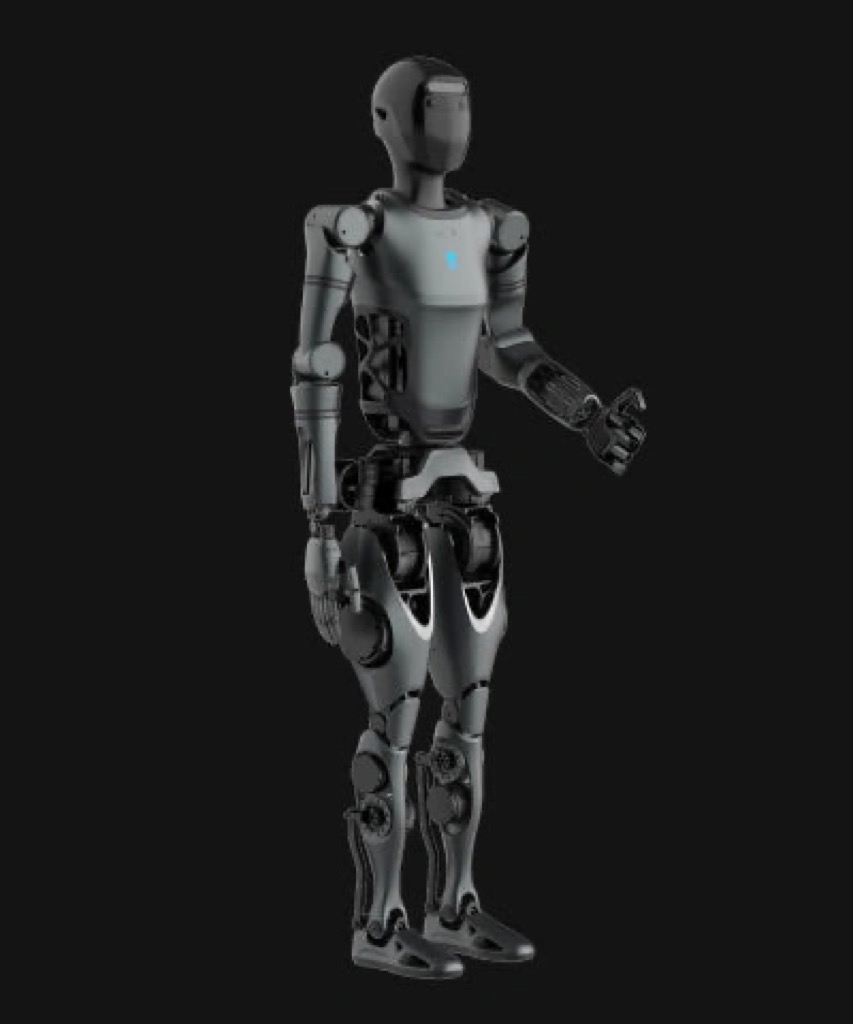
Pudu D9
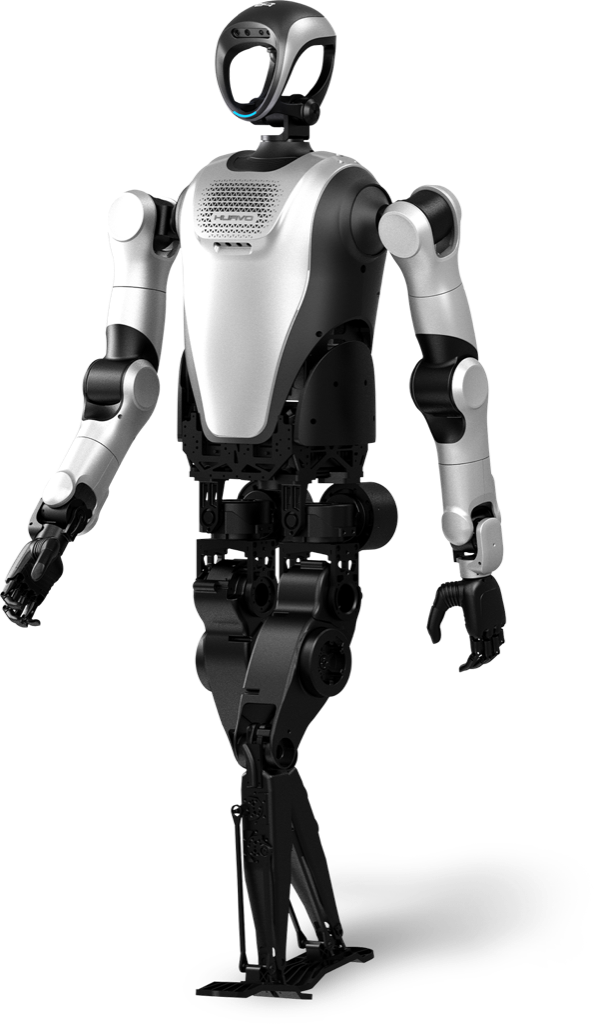
Leju Kuavo
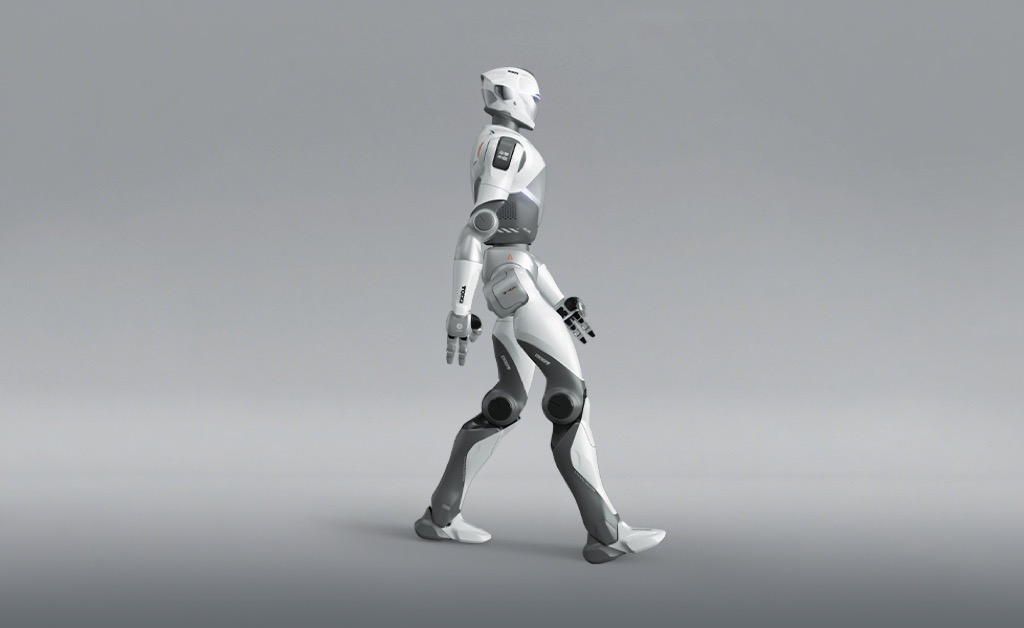
EngineAI T800
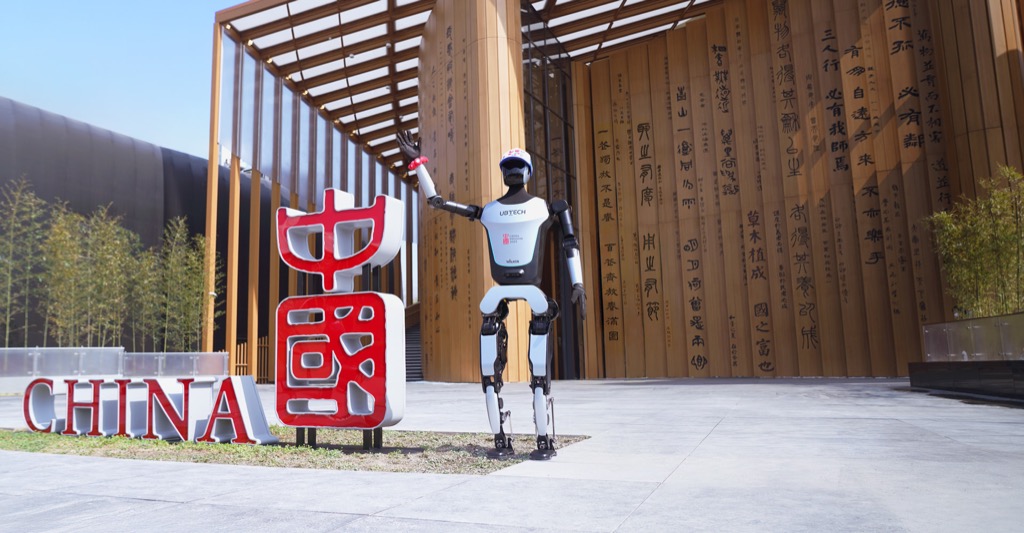
UBTech Walker C
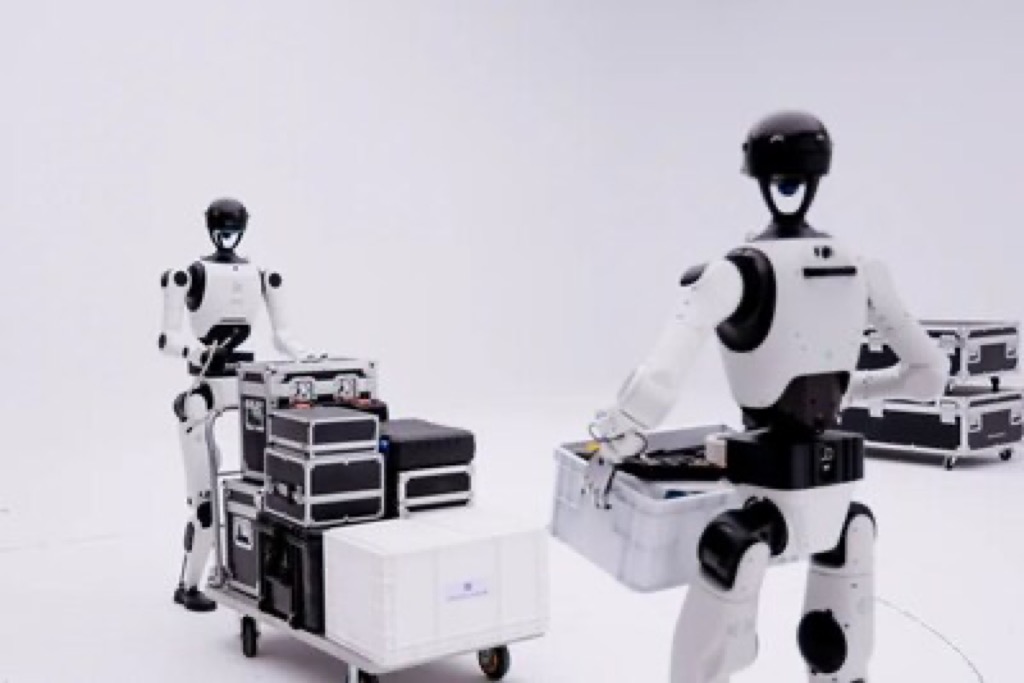
X-Humanoid Tien Kung
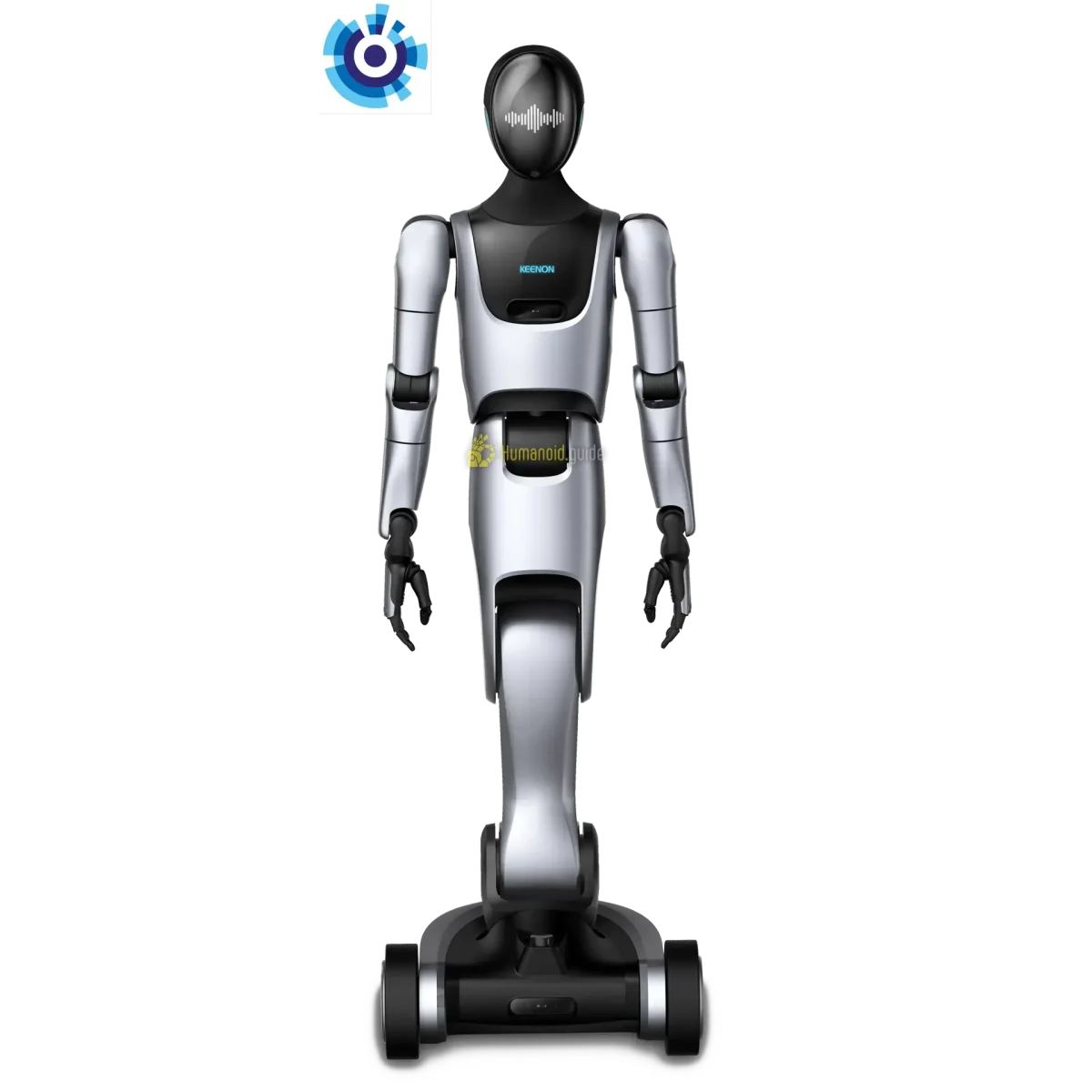
Keenon XMAN-R1
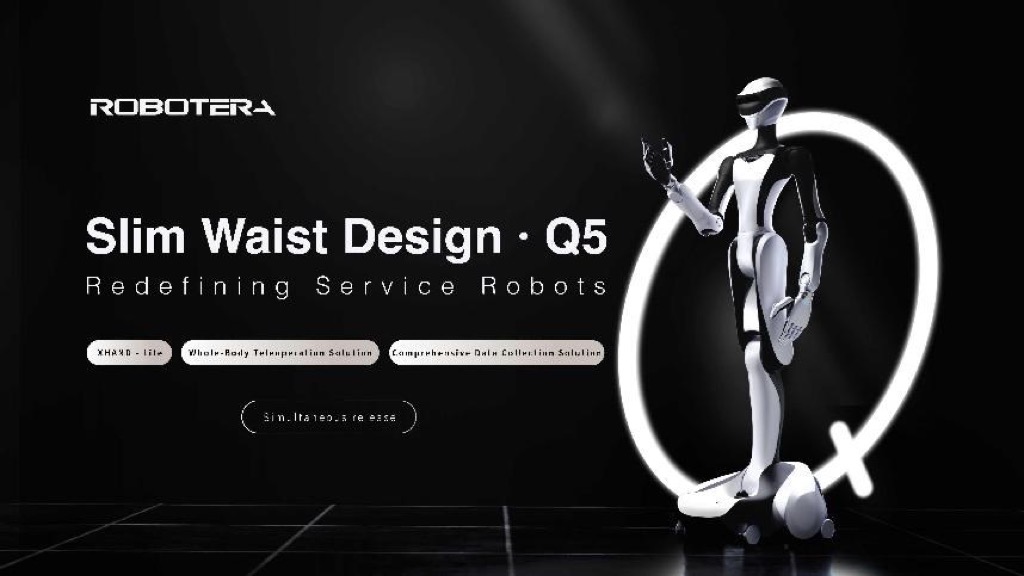
Robot Era Q5
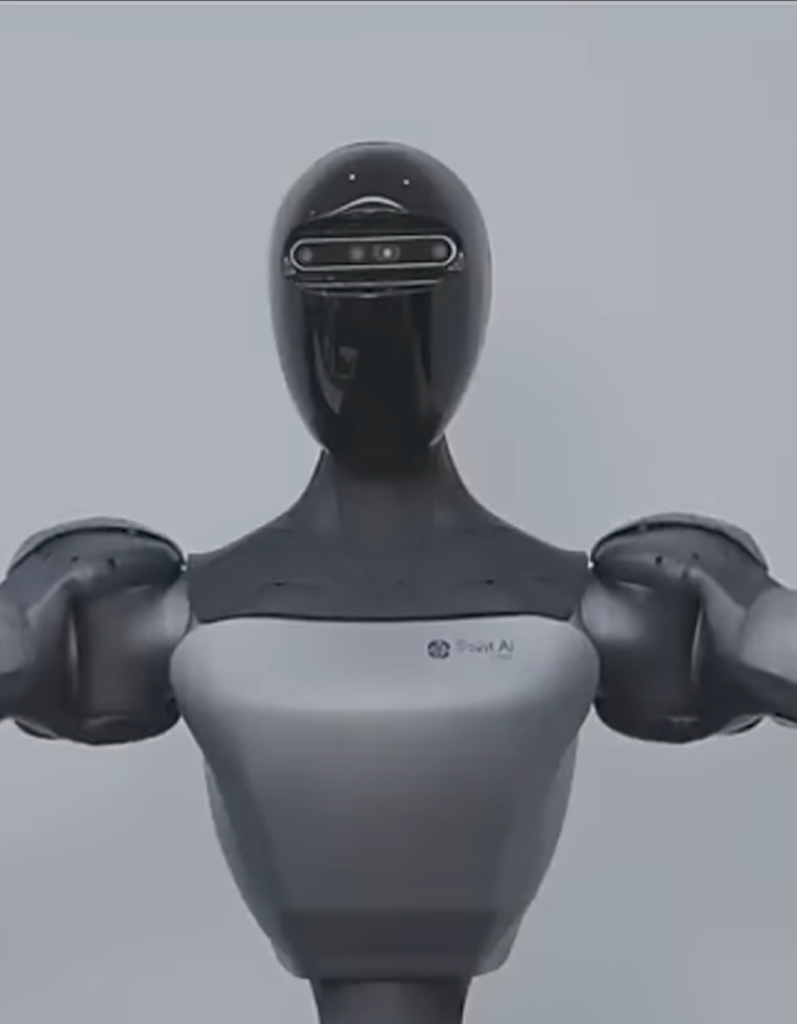
Spirit AI Moz1
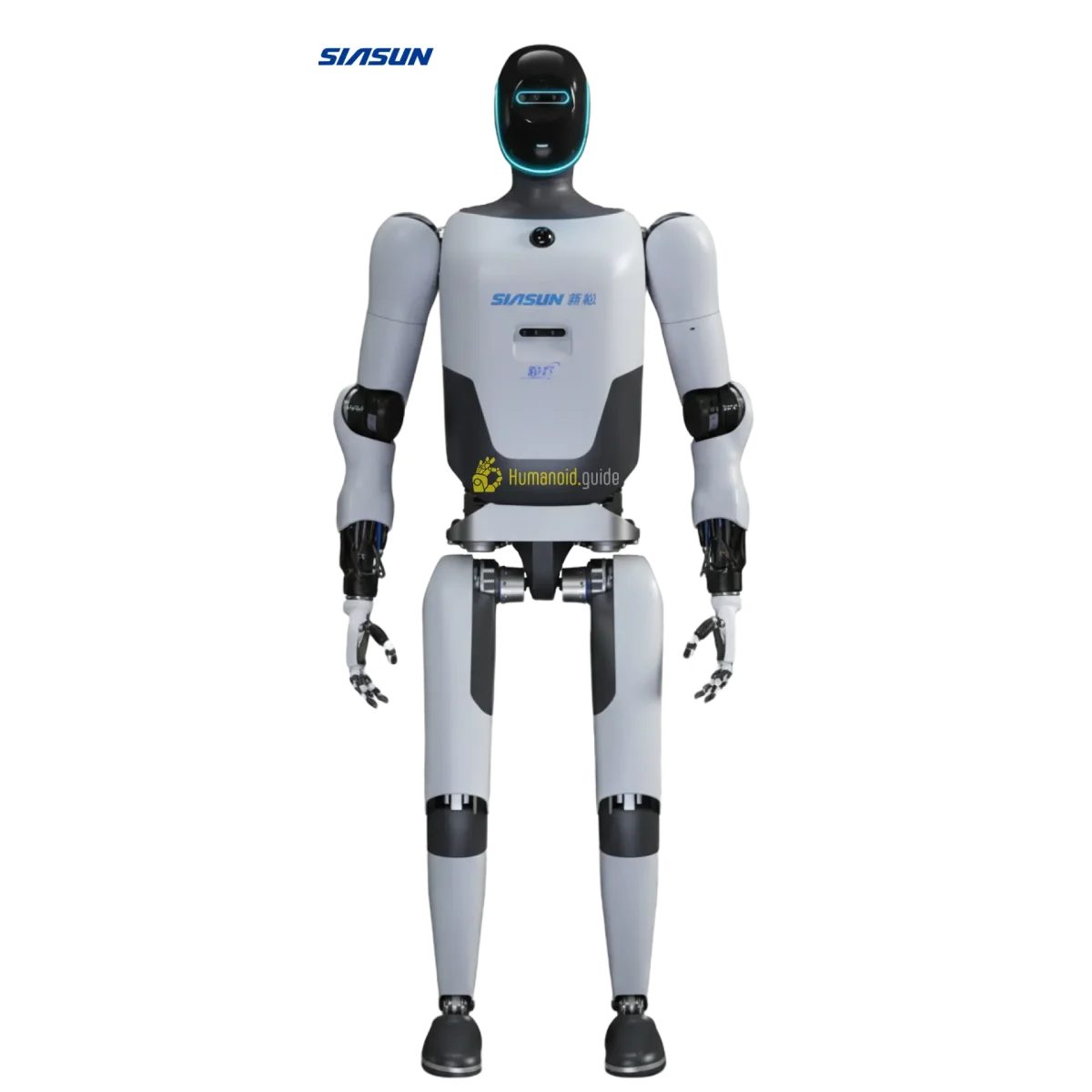
Siasun Songxing
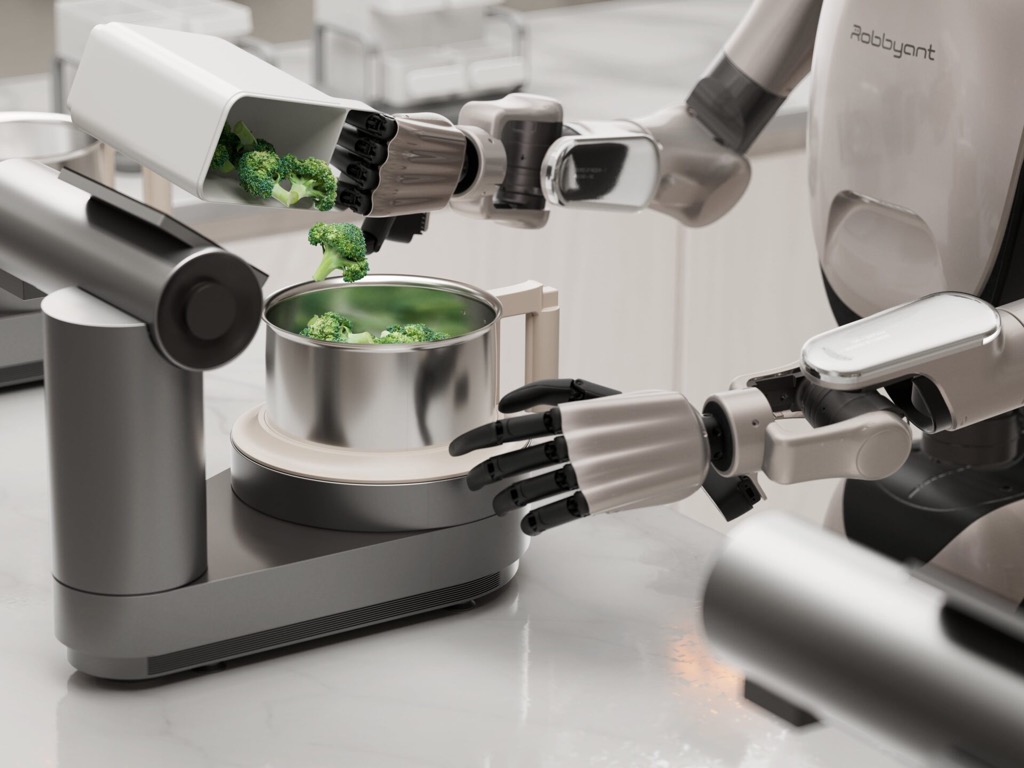
Ant Robbyant R1
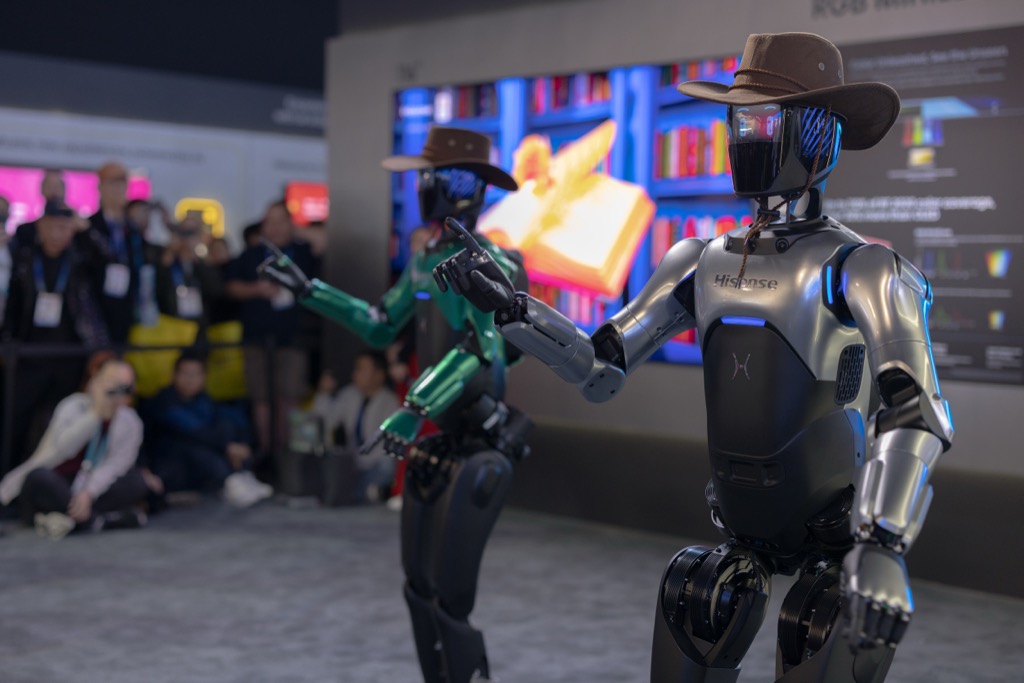
Hisense Harley
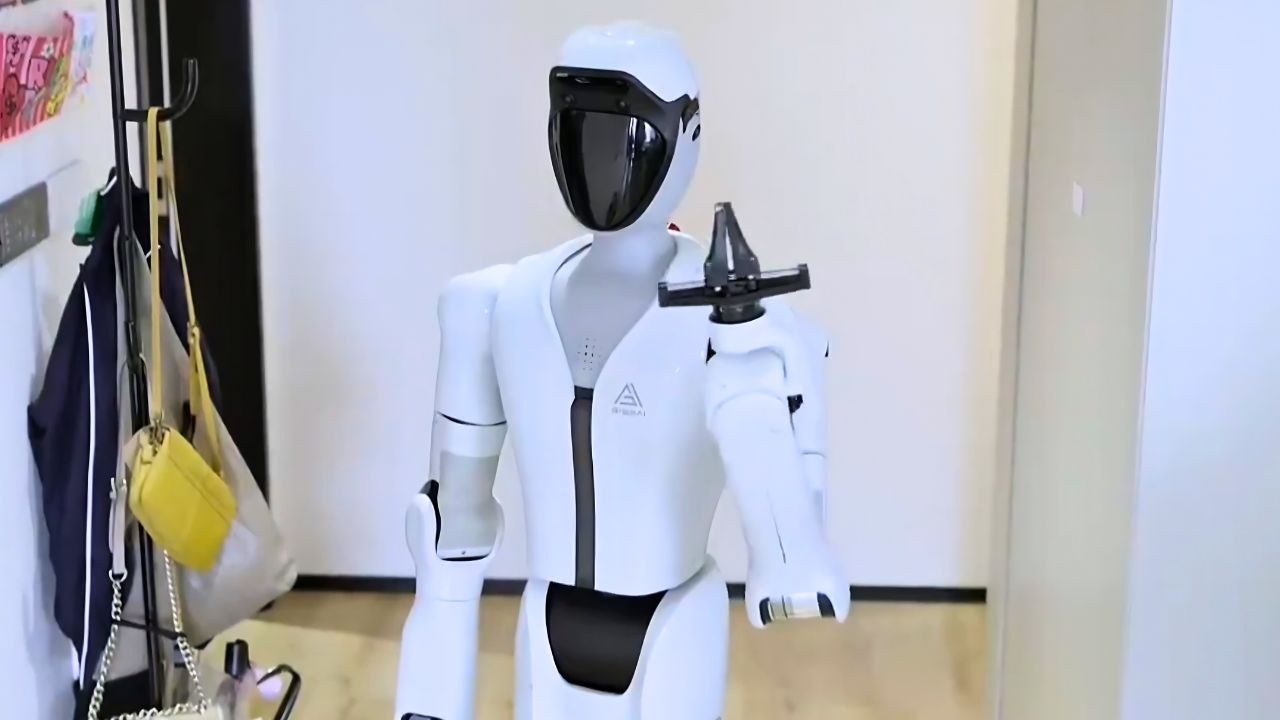
GigaAI SeeLight S1
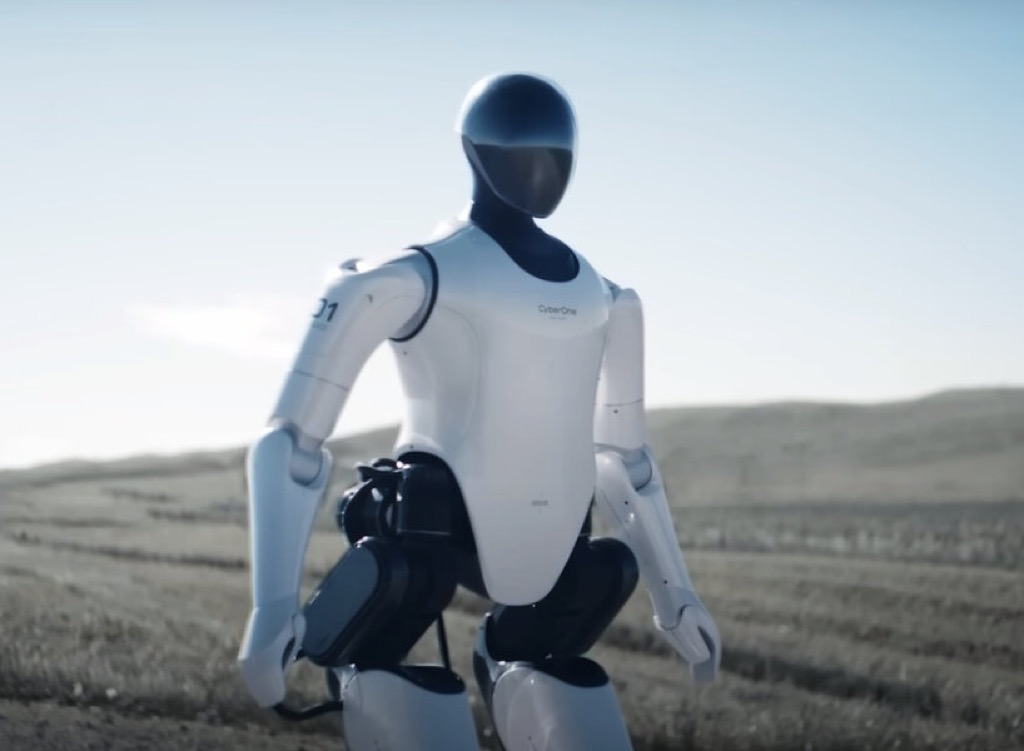
Xiaomi CyberOne
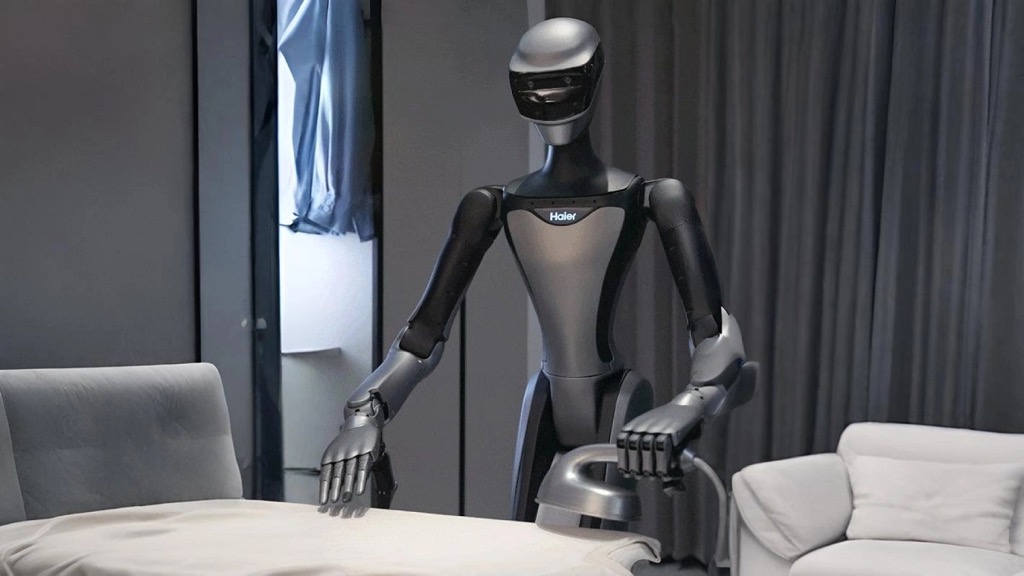
Haier HIVA Haiwa
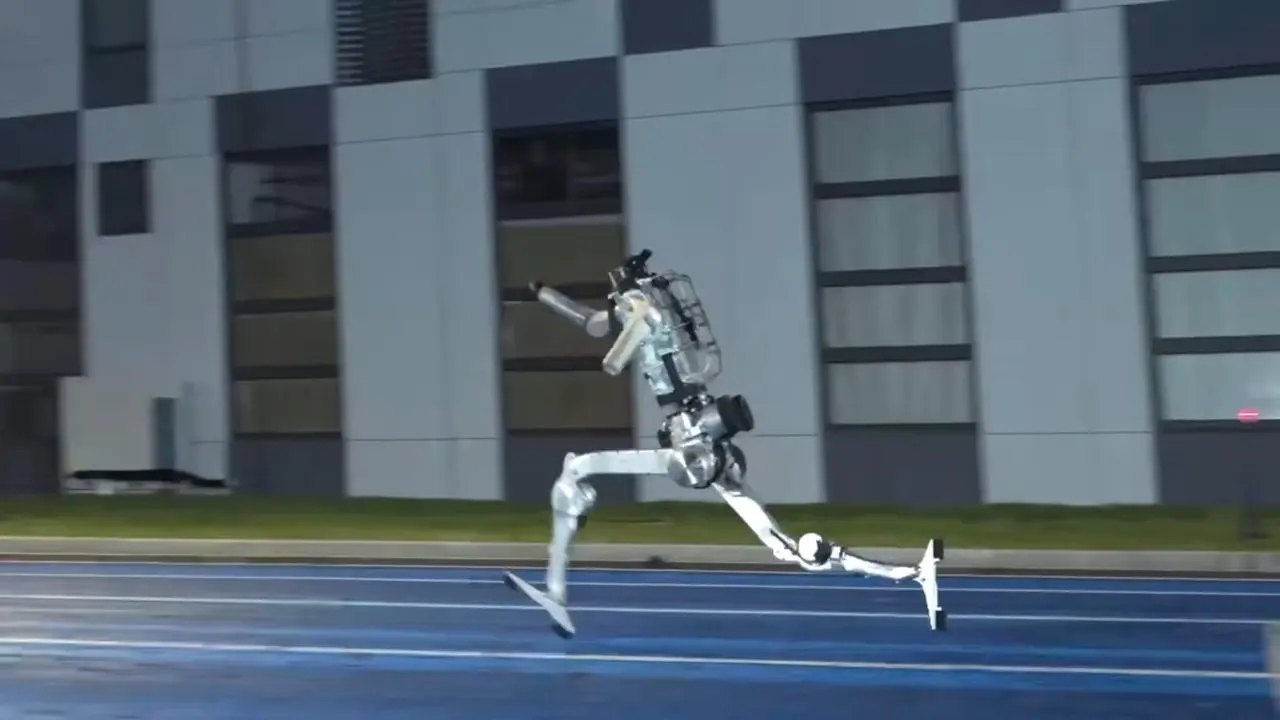
Unitree Superman
Announced, not on sale yet (6)
Revealed with a stated plan but no open order. Treat launch timelines as the maker's claim.
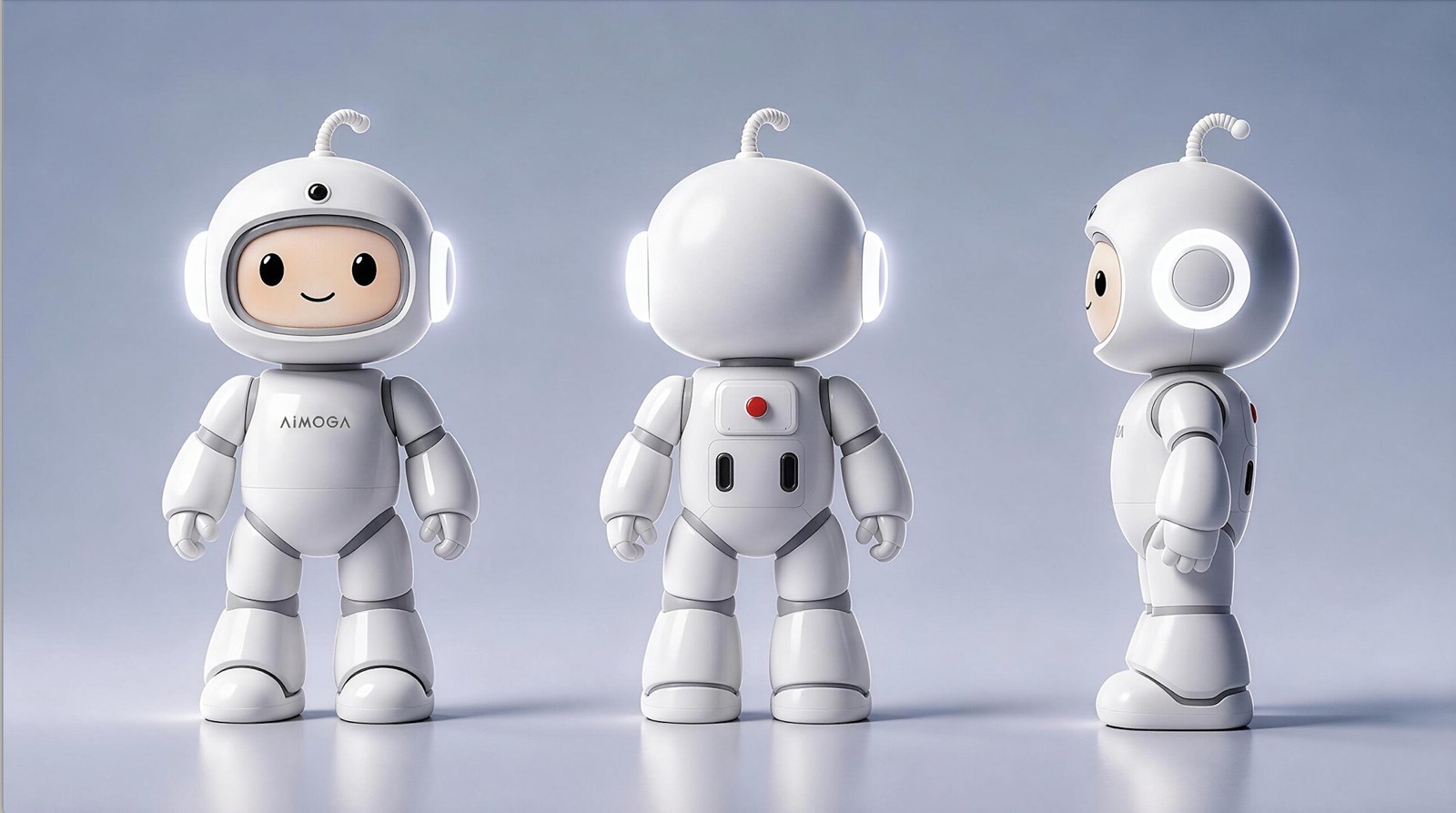
AiMOGA Mobo
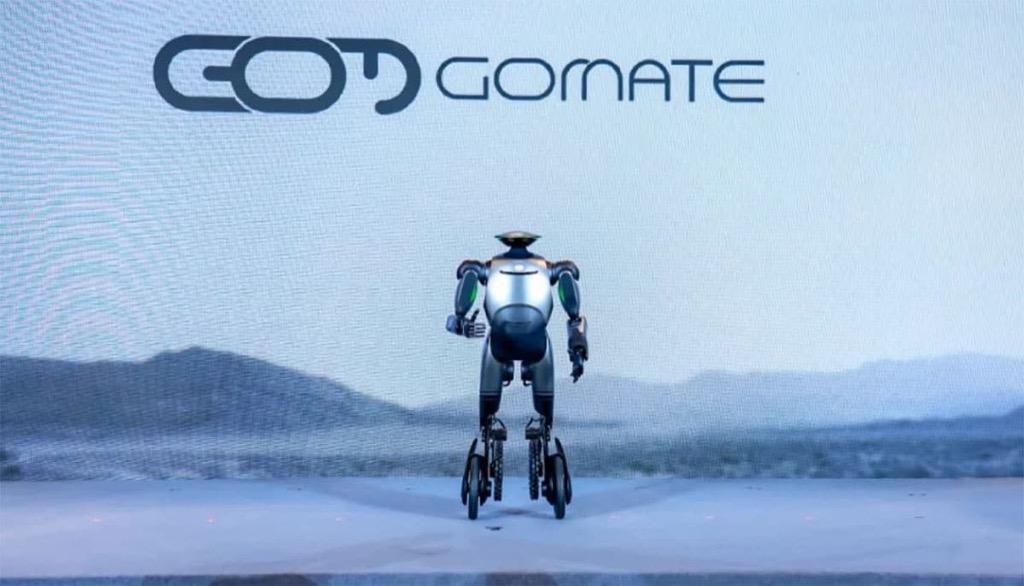
GAC GoMate
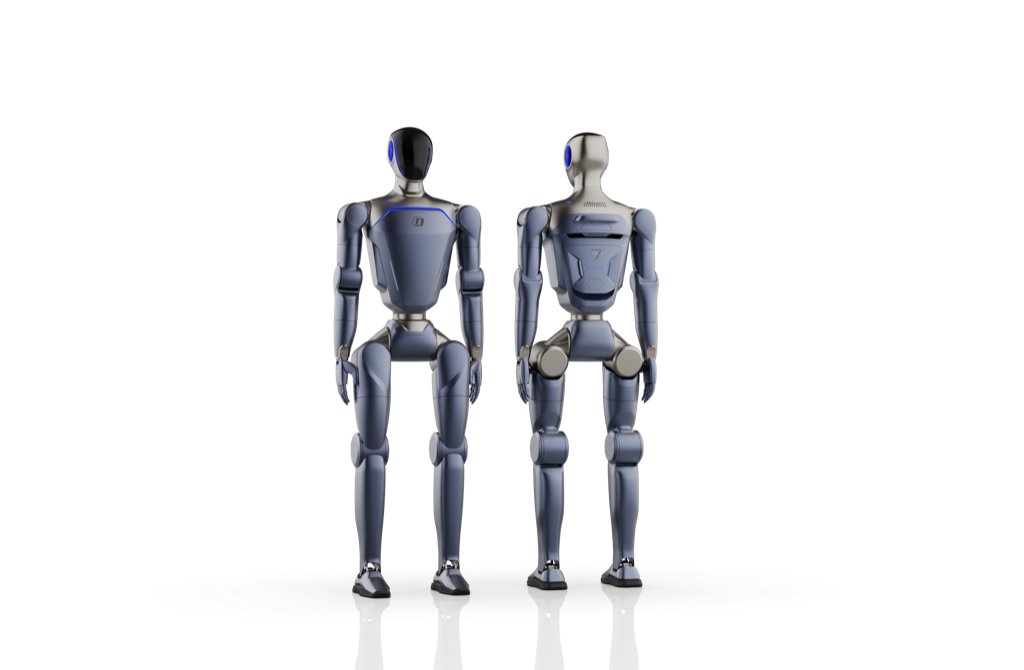
Galaxea Kengo
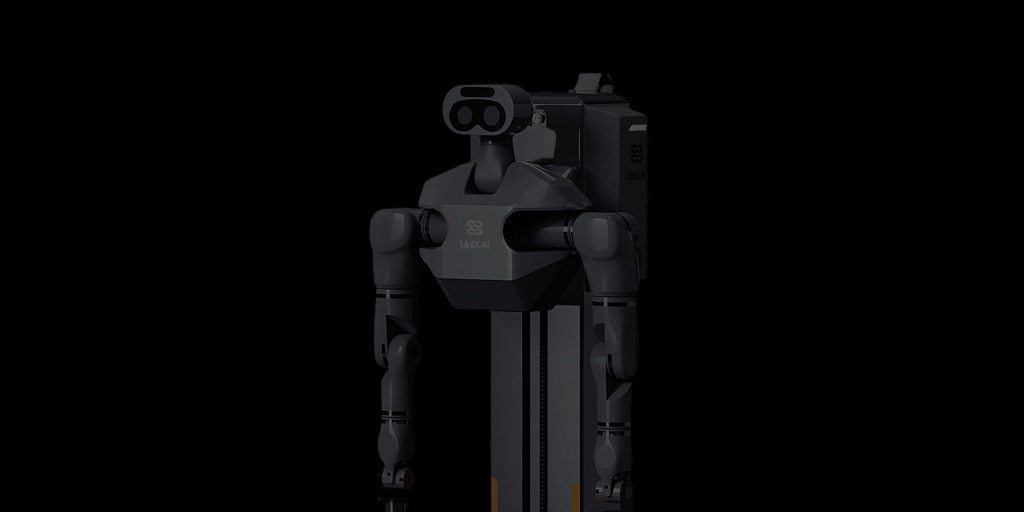
UniX AI Panther
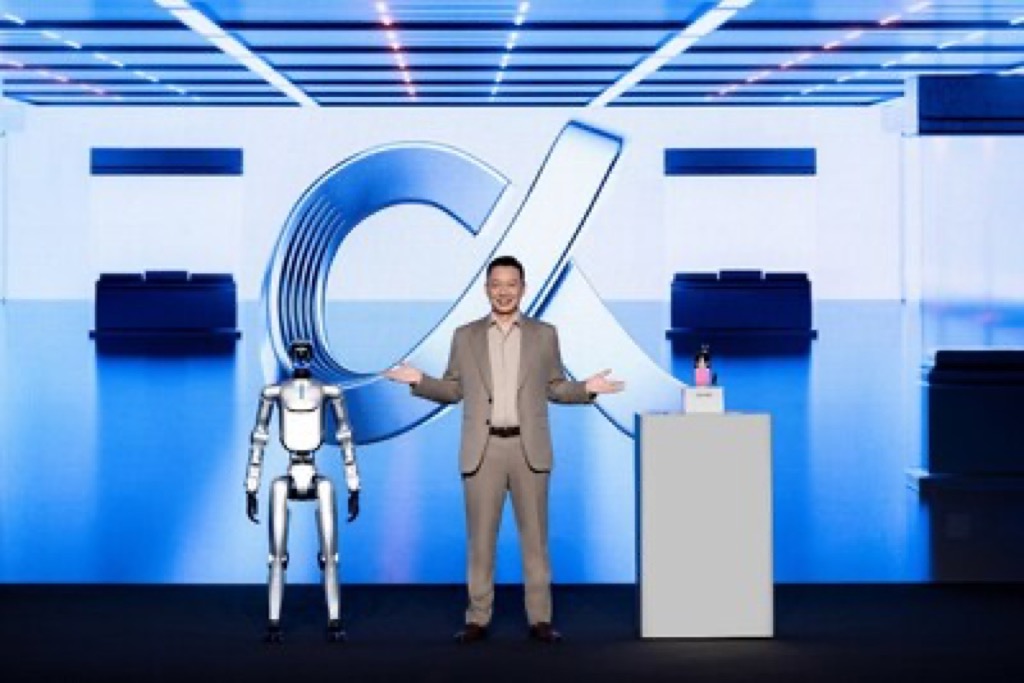
Honor Humanoid
BYD Humanoid
Browse the full catalog →·Humanoid robots for home →
Chinese humanoid robots — FAQ
How much does a Chinese humanoid robot cost?+
As of 13 November 2026 the range is very wide. The cheapest walking humanoid we track is the Noetix Bumi at RMB 9,998 (about $1,400) inside China. Unitree's R1 starts at $4,900 for the R1 AIR on Unitree's own page, the G1 at $13,500 for a base unit without development access, and full-size research and industrial machines from Unitree, AgiBot, Fourier and UBTech run from roughly $30,000 to well over $100,000. US prices are usually higher than Chinese ones once shipping, customs duty and dealer margins are added.
Can I buy a Chinese humanoid robot in the US?+
Yes, for models that already held FCC authorisation before 28 July 2026. Unitree named the G1, H2 and R1 in its 31 July 2026 prospectus as models it may keep selling in the US, and Booster, Dobot, AgiBot and Noetix robots are listed by US resellers. Many other Chinese humanoids, including UBTech's U1 and most automaker robots, are sold only in China or only to enterprises.
Did the US ban Chinese robots?+
No, not in those words. FCC Public Notice DA 26-786, released 28 July 2026, added foreign-produced advanced robotic devices to the FCC Covered List. The wording is country-neutral: it covers robots that fail a domestic-manufacture test, wherever they come from. It blocks new FCC equipment authorisation, which in turn blocks import and sale of new models. Models authorised before 28 July 2026 can still be imported, sold, owned and resold.
Why is China so focused on humanoid robots?+
Three reasons stand out. The government named humanoid robots a priority industry in a 2023 national guideline from the Ministry of Industry and Information Technology, and local governments followed with subsidies and testing centres. China already makes most of the parts, including motors, reducers, batteries and sensors, so hardware is cheaper to build there. And several large carmakers, among them XPeng, Xiaomi, BYD, GAC and Chery, have moved into humanoids as a second business.
Is Unitree a Chinese company, and is it public?+
Yes. Unitree Robotics is based in Hangzhou, trades under its legal name Yushu Technology, and listed on the Shanghai STAR Market on 19 August 2026 under ticker 688836, after pricing at ¥150.80 a share. Access to STAR Market shares depends on your broker and country, and many international retail investors cannot trade them directly.
Which Chinese company makes the most humanoid robots?+
By the companies' own numbers, Unitree and AgiBot. Unitree's IPO prospectus says it shipped more than 5,000 humanoids in 2025, and AgiBot says it shipped more than 5,100 humanoids in 2025. Neither figure has been independently audited by us, and AgiBot's audited numbers will only appear if its Hong Kong listing goes ahead.
Are Chinese humanoid robots safe to use at home?+
Treat any connected robot as a networked camera and microphone, wherever it was made. In August 2026 researchers disclosed two vulnerabilities (CVE-2026-76639 and CVE-2026-76640) affecting Unitree's R1 and G1; as of the 29 August 2026 disclosure no fixed firmware had been published for the on-device Bluetooth flaw. Keep firmware updated, put the robot on a separate network, and do not leave it running unattended near children.